July 21, 2026
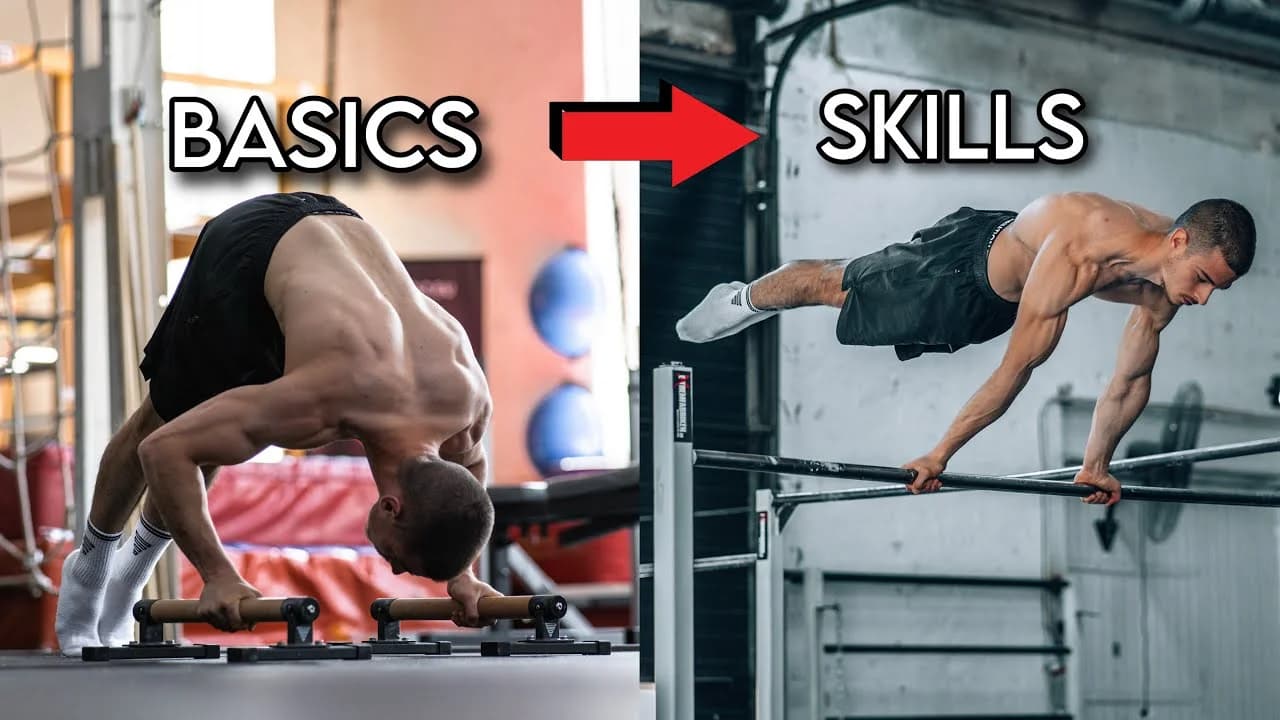
Basics for Calisthenics Static Skills: Why You Can't Skip Them
Skipping basics before planche or front lever raises injury risk. Here are the exact rep standards I use before clients start real skill progressions.
Unlock your potential with expert tips, tutorials, and guides to conquer Calisthenics skills and build strength with just your bodyweight.
Skipping basics before planche or front lever raises injury risk. Here are the exact rep standards I use before clients start real skill progressions.
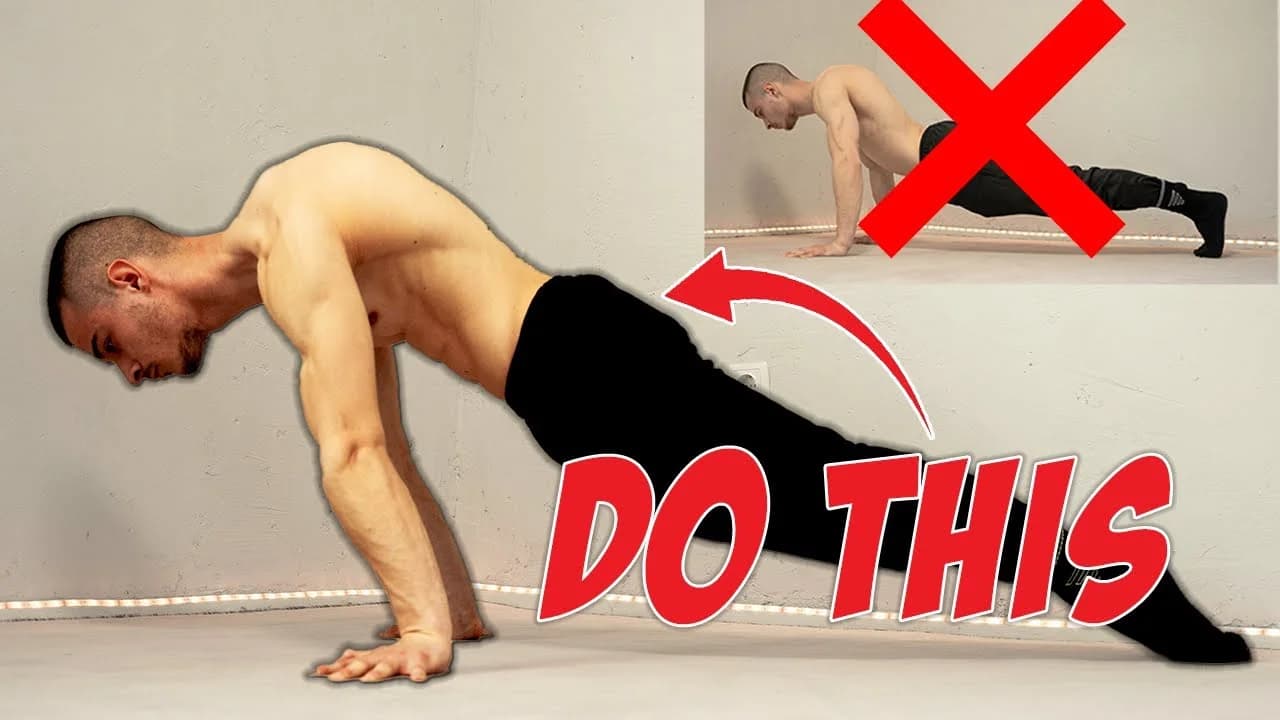
Five beginner planche exercises, from ground leans to push-up variations, with the hand, elbow, and grip cues that stop wrist and thumb pain early.
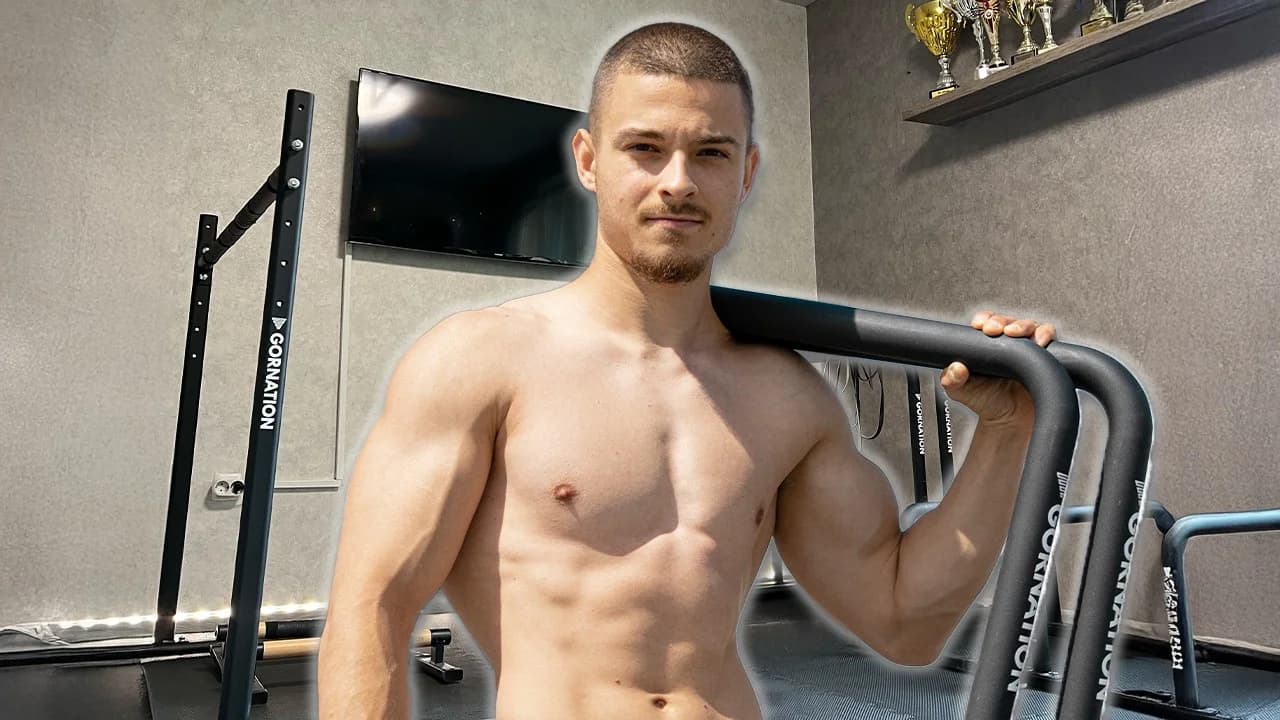
My full calisthenics home gym, floor mats, pull-up bar, static bar, dip bars, and two sets of parallettes, cost under 1000 euros total.
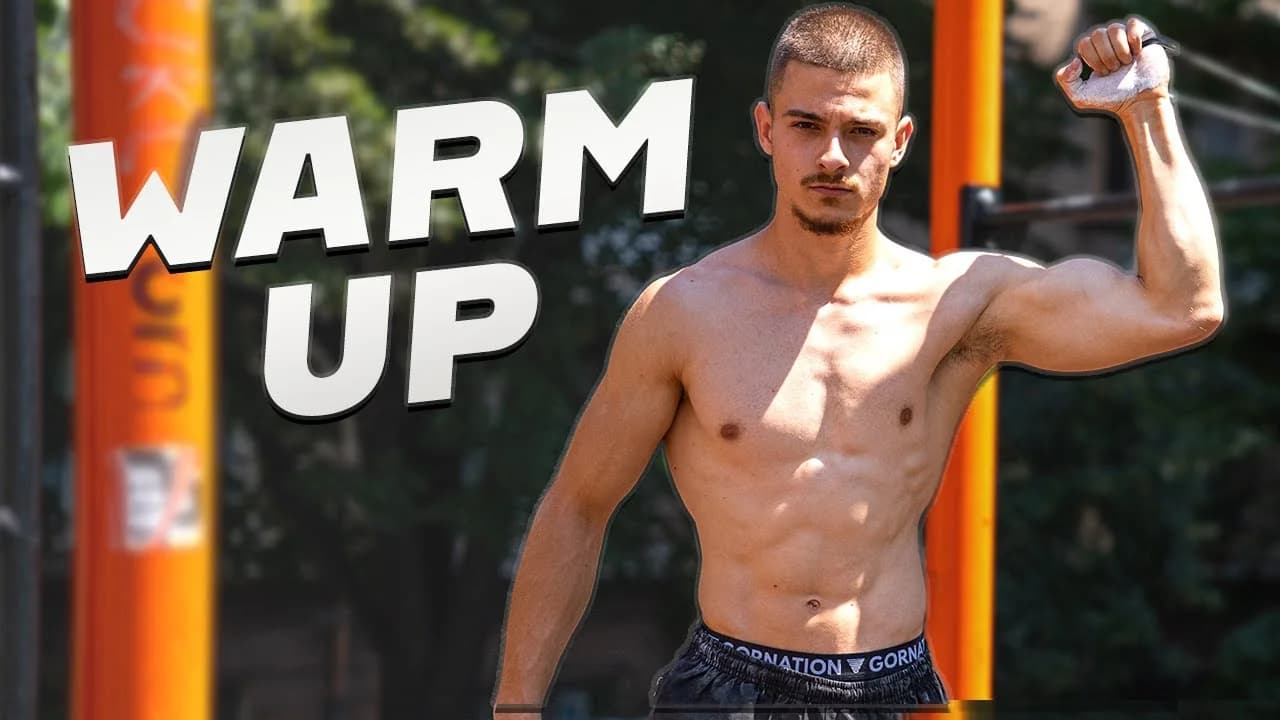
A jump rope, a light resistance band, and 10 to 20 minutes is what I use to prep my shoulders, wrists, and hips before every training session.

Mobility, mindset, and injury risk in freestyle dynamics aren't what most people assume, I break down what Simon Imhauser and I actually agreed on.
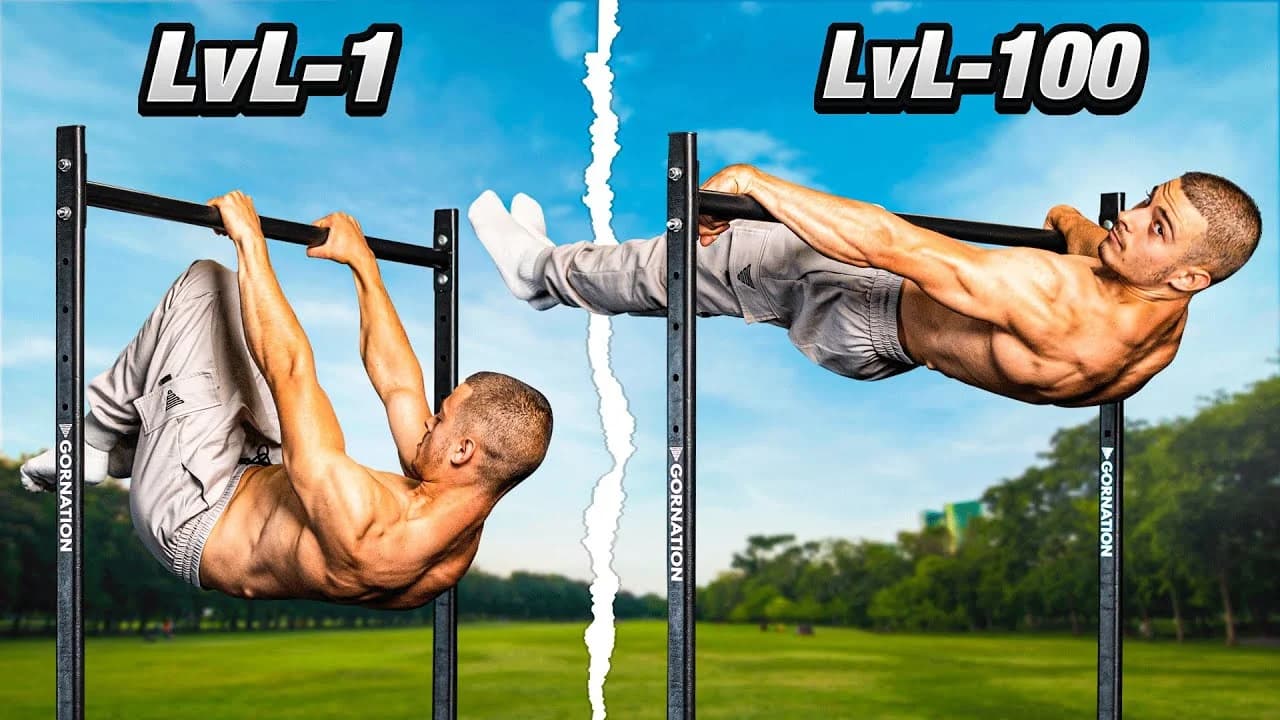
The front lever runs through five clear stages, tuck to straddle to half lay to full, and most people need six months to two years to own it.
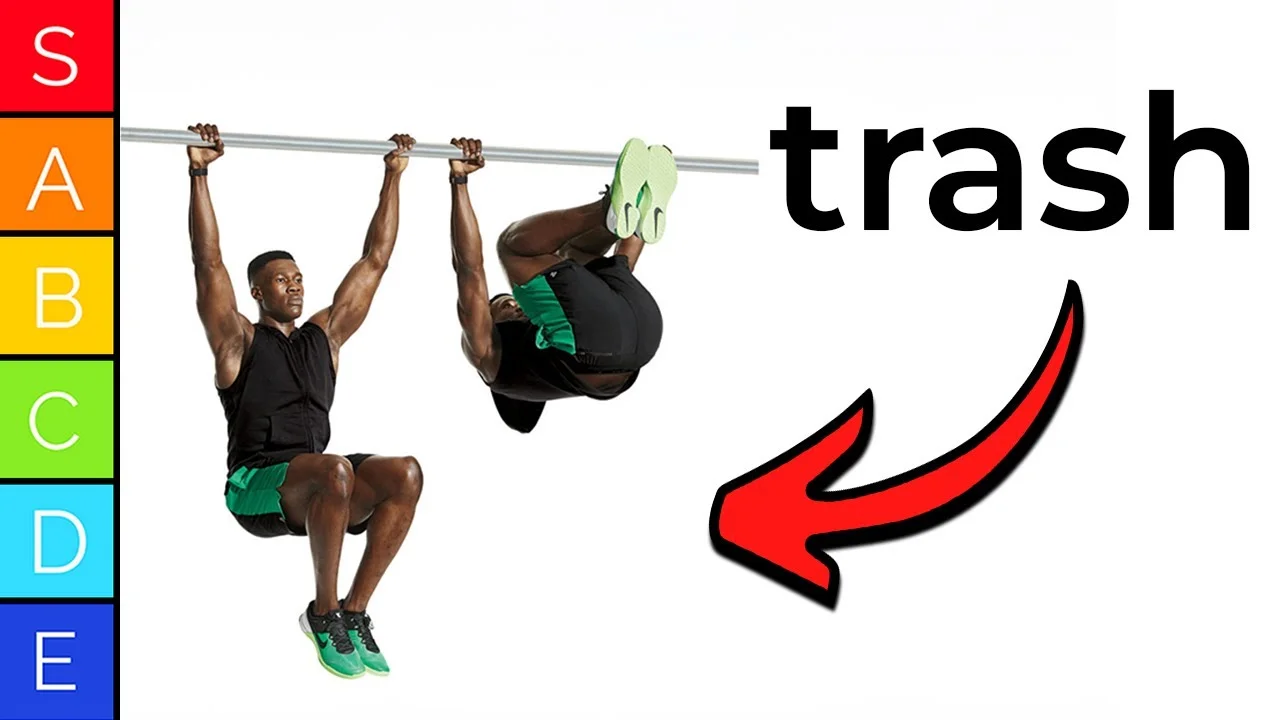
Squats and bicep curls land at the bottom of my front lever ranking, while a resistance band and the tuck front lever come out on top.
Six numbered boxes, one live unboxing: the GorNation Advent Calendar pairs a genuinely useful massage ball with accessories worth skipping over.
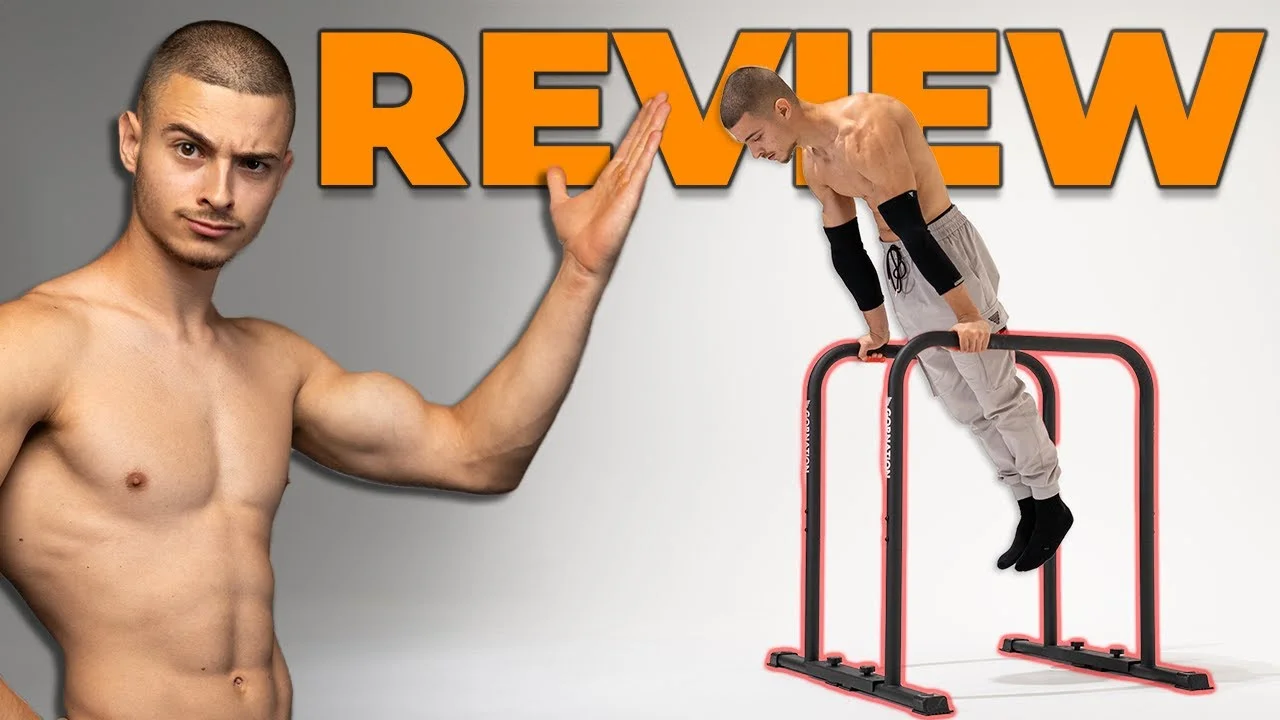
Two months of daily use on the GORNATION dip bars: three width settings, 13 cm grip, and a five-minute build that held up under real training.
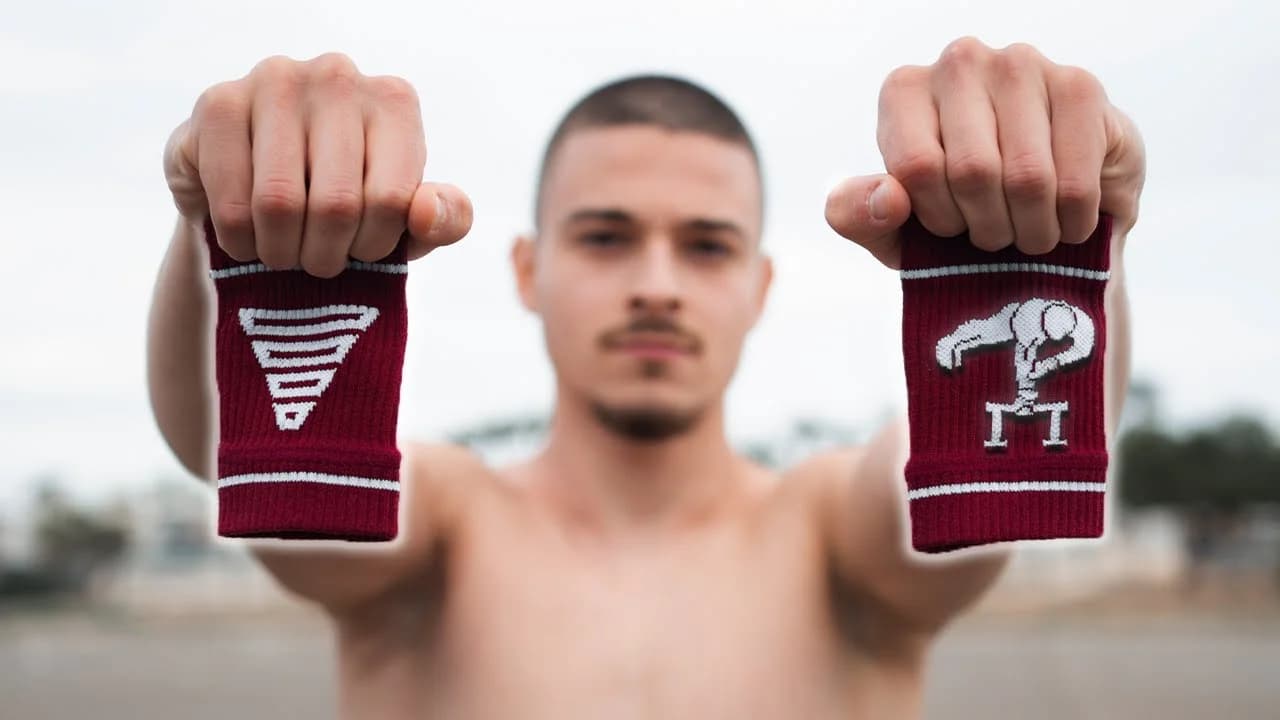
I designed these wristbands with GORNATION myself, and here is how the fit actually holds up through planche and front lever work.
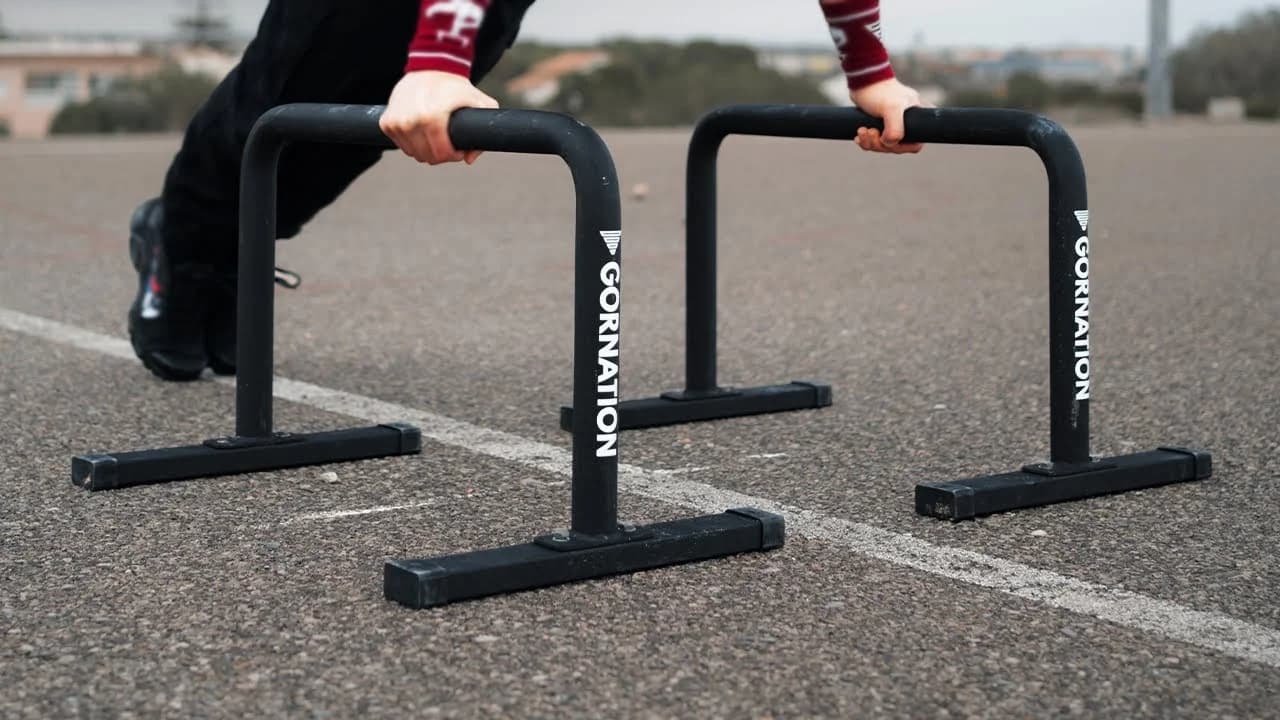
I put GORNATION's metal parallettes through handstands, planche and Dragon holds to see if they actually beat wood on stability.
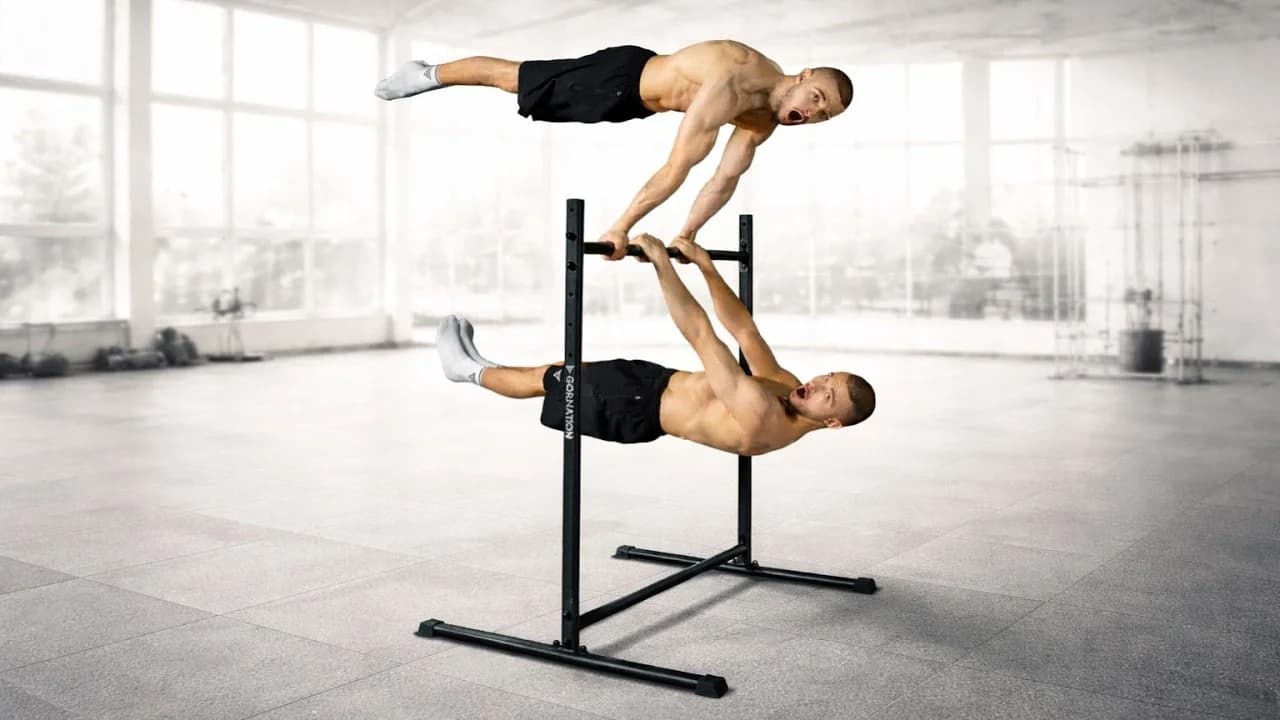
I tested the Gornation Static Bar 2 against two years on the original and felt the stability difference before doing a single rep.
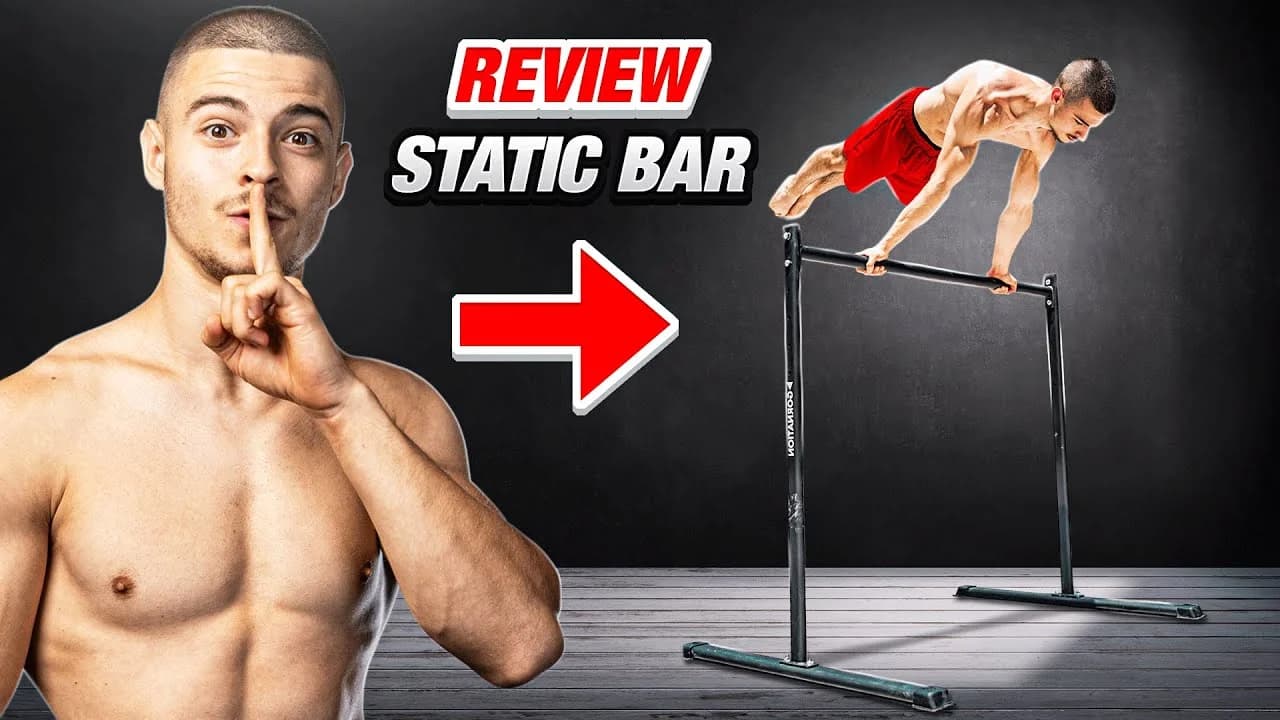
I built and tested the GorNation Static Bar through dips, front lever, and full planche to see if its width and portability actually hold up.
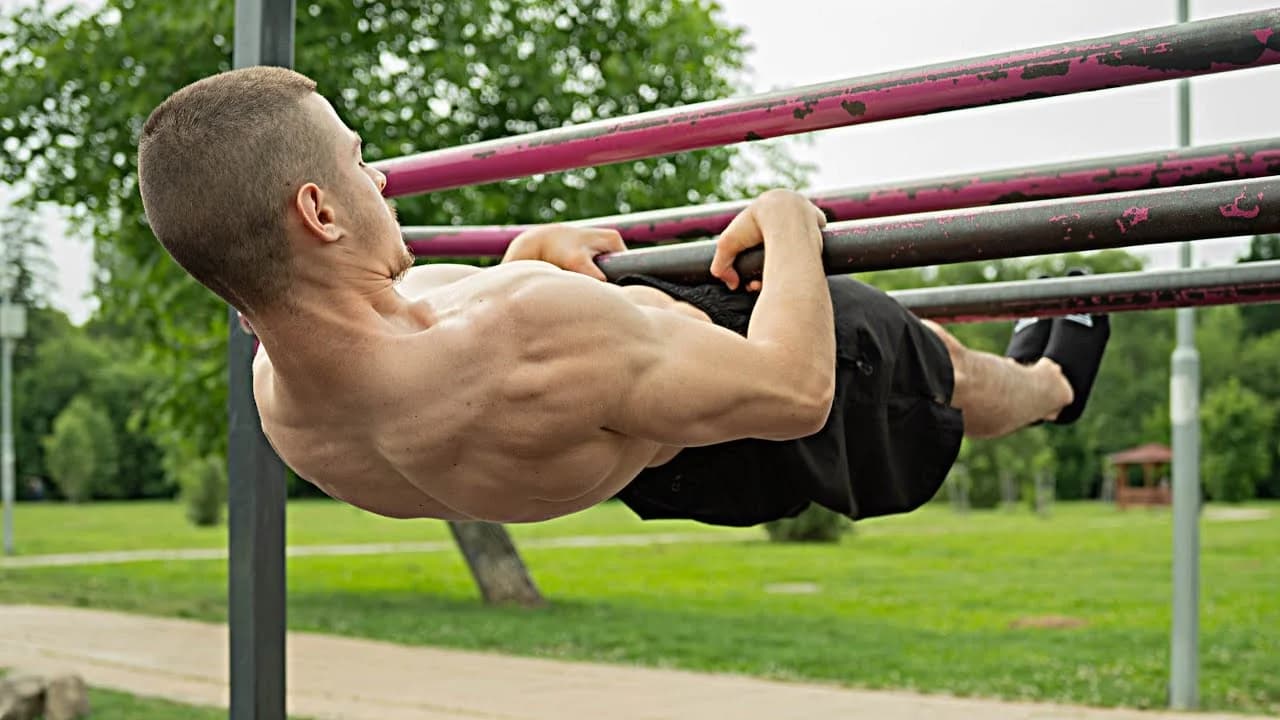
A five-stage front lever progression built on real pull-up and toes-to-bar prerequisites, tuck holds, and band-supported straddle work.
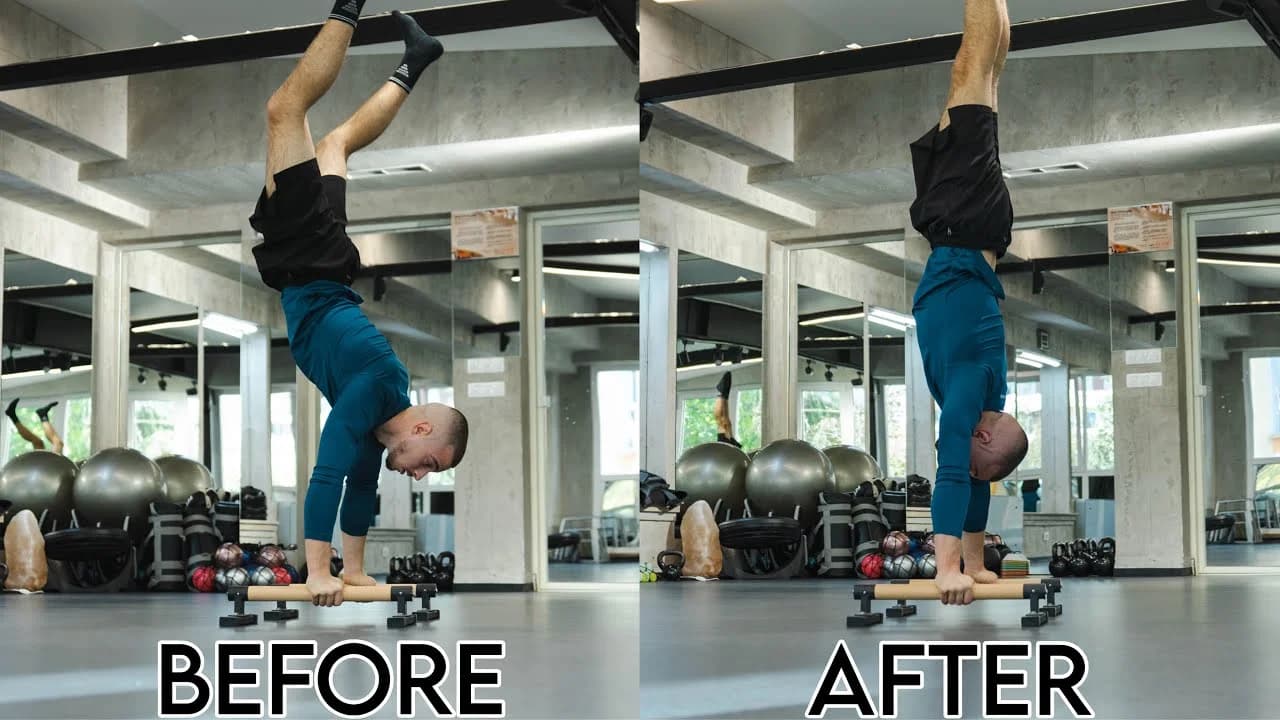
I break down the exact progression I use to teach a first handstand, starting with the fear of falling before a single rep of balance work.
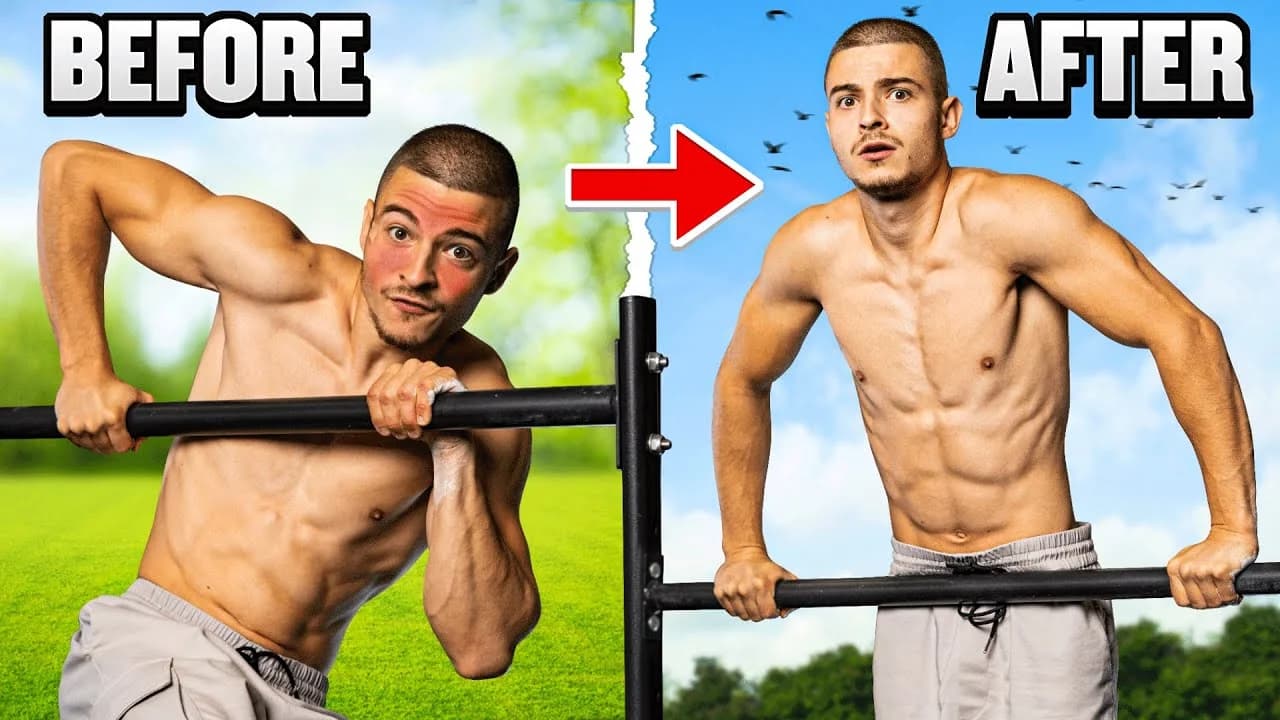
Five drills, one false grip cue, and a clear order: here is exactly how I coach someone from zero pull-ups over the bar to a strict muscle-up.
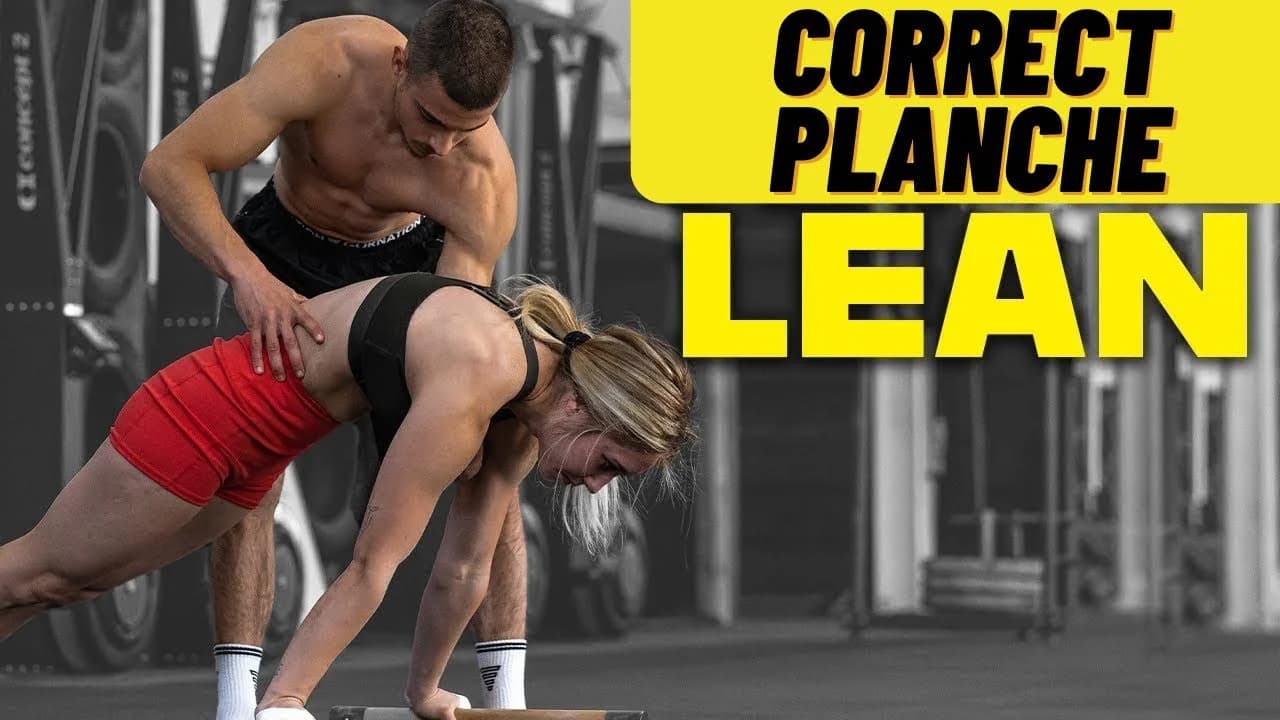
Most planche lean mistakes come down to two joints, the wrist and the elbow, and I break down exactly how to fix both plus the protraction cue that unlocks the rest.

Three exercises, in the exact order I coach them, take you from a planche lean to a straddle planche without wrecking your wrists or lower back.
The planche progression runs from tuck to advanced tuck to straddle to full planche, and rushing any stage is the fastest way to stall out.
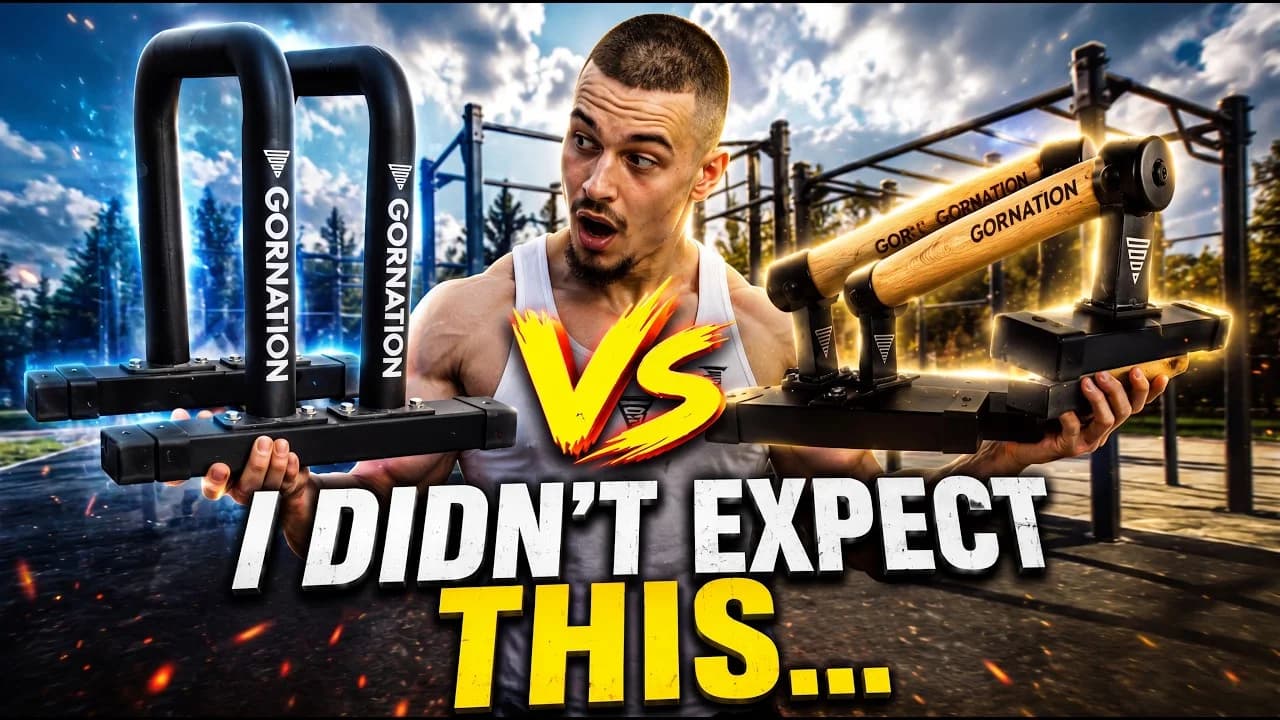
Metal parallettes sit four times taller than wooden ones, and that gap decides how far you can lean before your knees hit the ground.
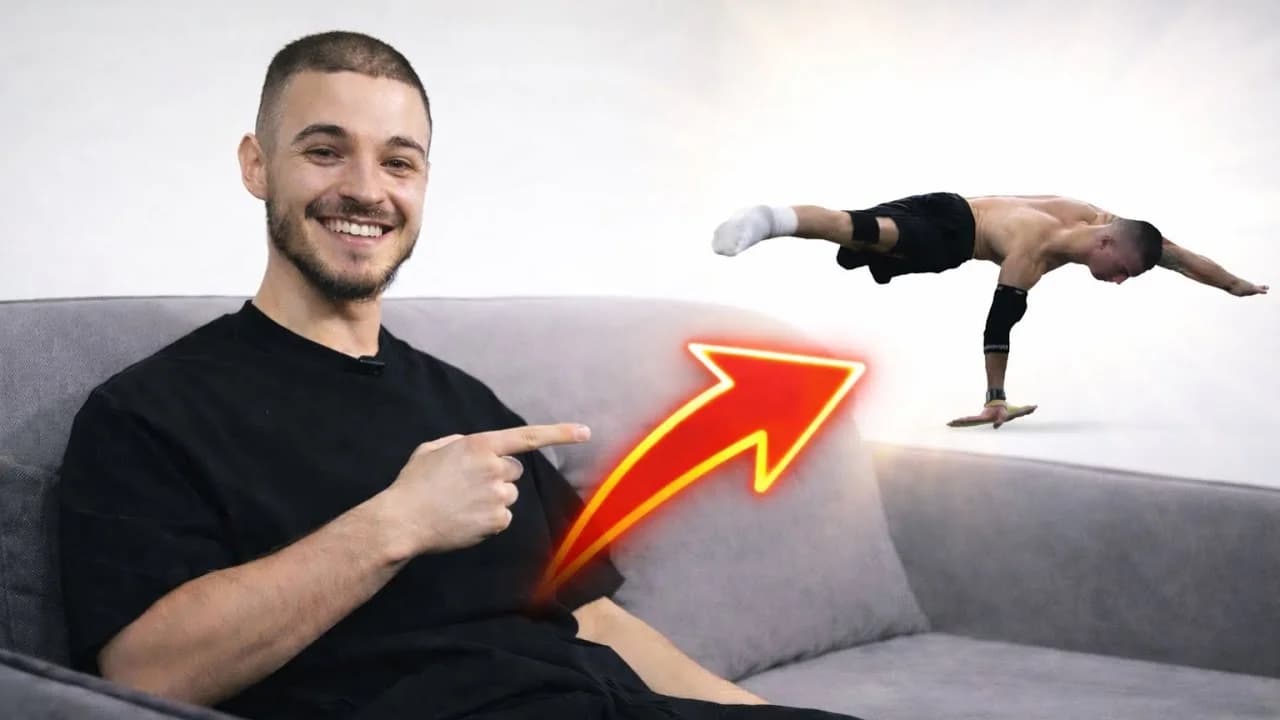
L-sit is the most searched calisthenics skill on Google, yet I still rank it as the easiest of these eight famous calisthenics tier list skills.

Most shaky planches come down to wrist position, a bent elbow, or missing scapula protraction, not a lack of strength, and here's how to fix each one.
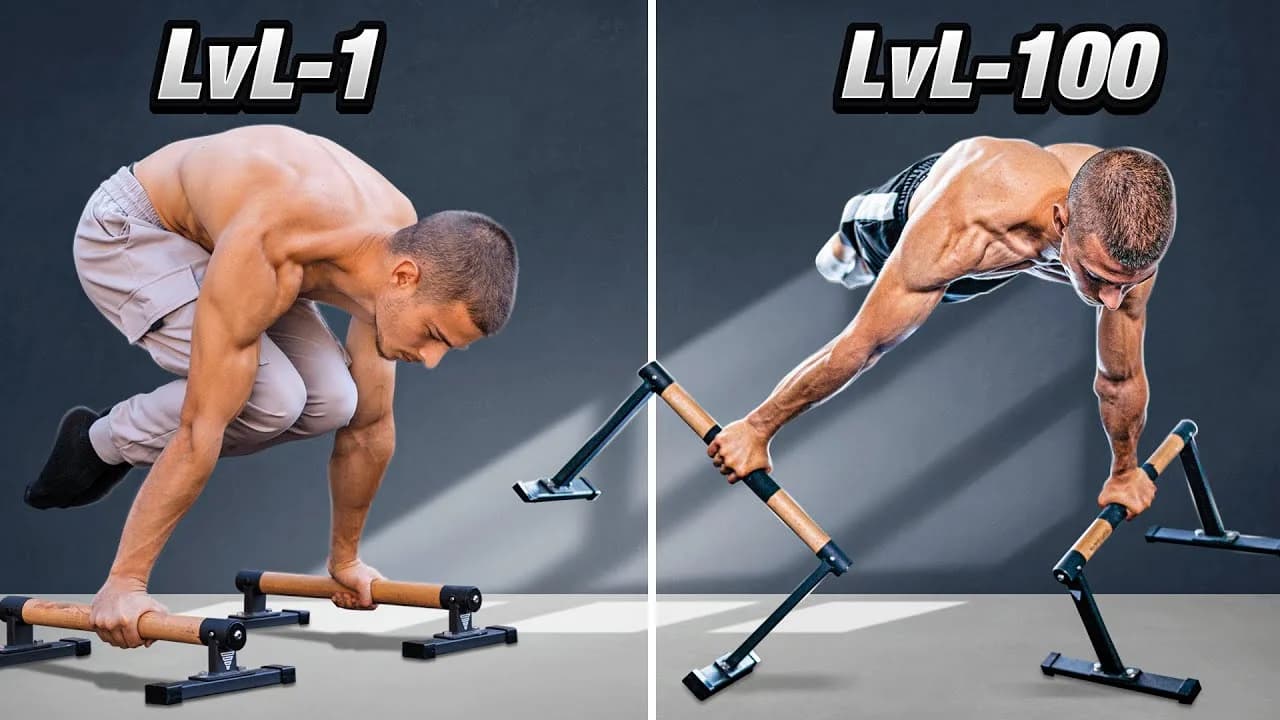
Full planche sits at the far end of a long chain of holds, and most people quit somewhere between tuck and straddle without knowing why.
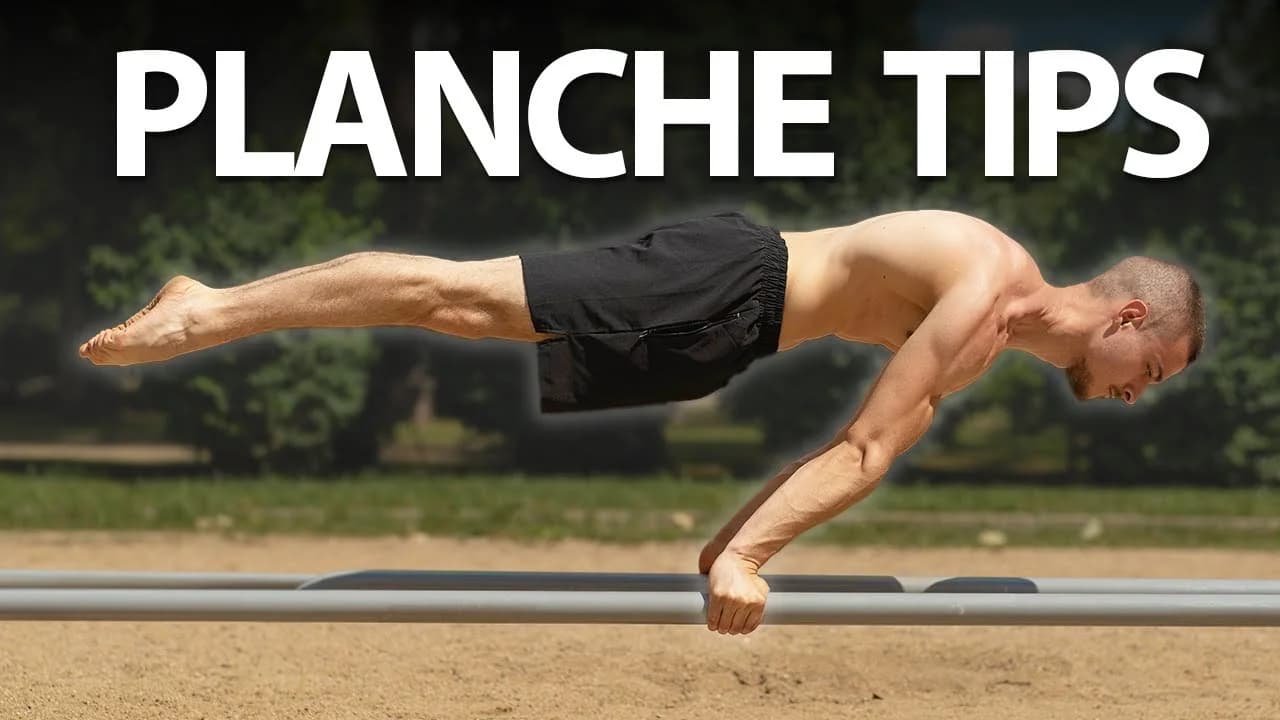
Daniel Hristov shares the 5 exercises, from the planche lean to the half lay planche, he still trains to keep improving his own planche.
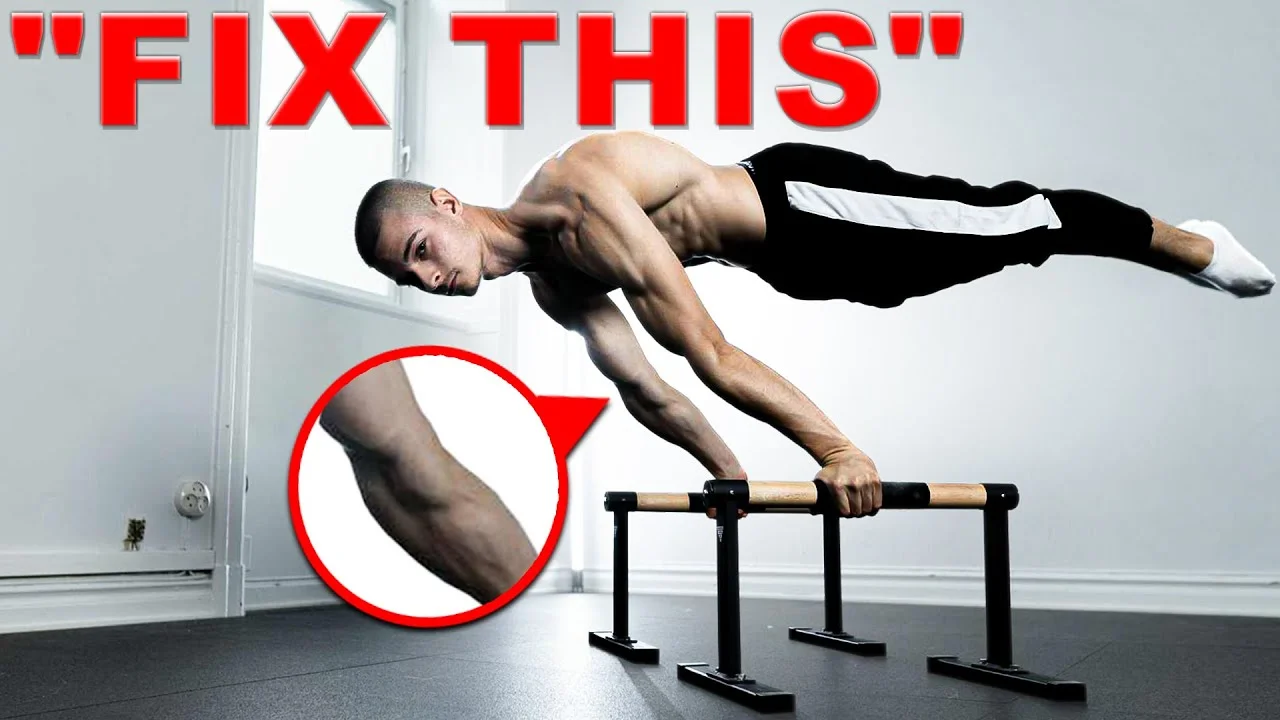
Daniel Hristov breaks down the isometric wall holds, band warm-ups, and strength work he used to train planche despite years of hyperextended elbows.
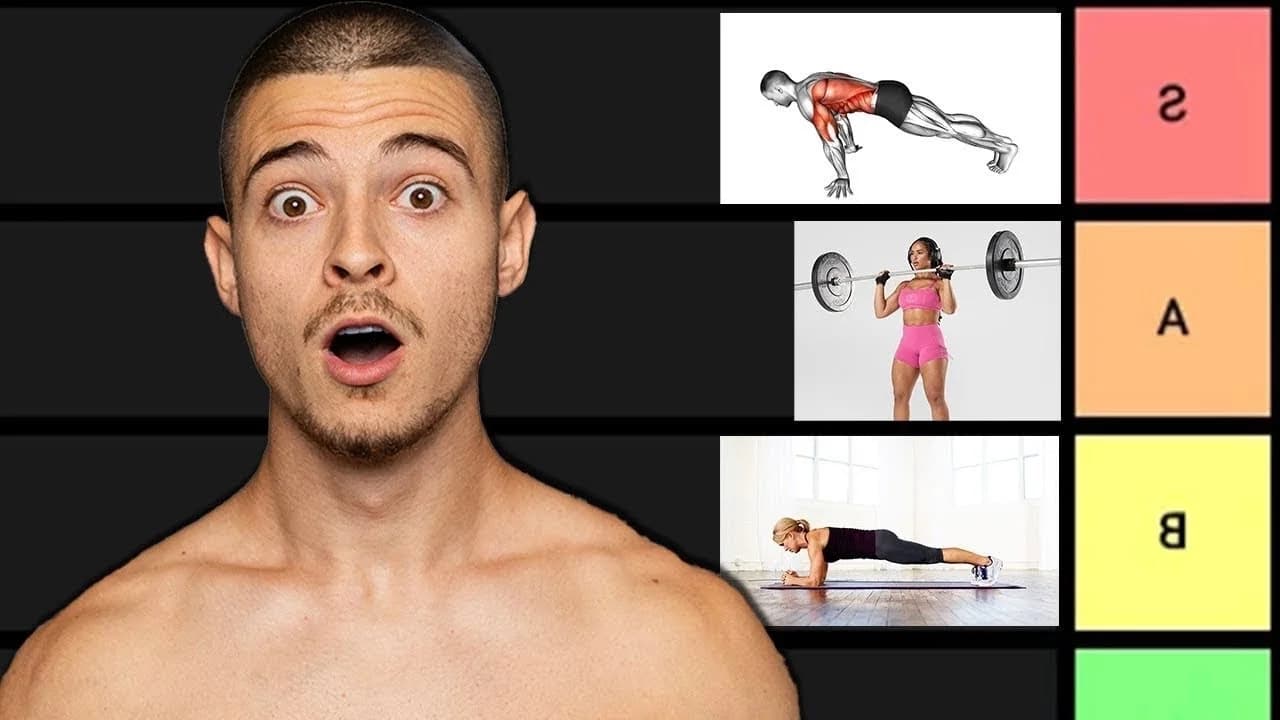
I rank planche progressions by real carryover, and advanced tuck planche is where most athletes get permanently stuck.
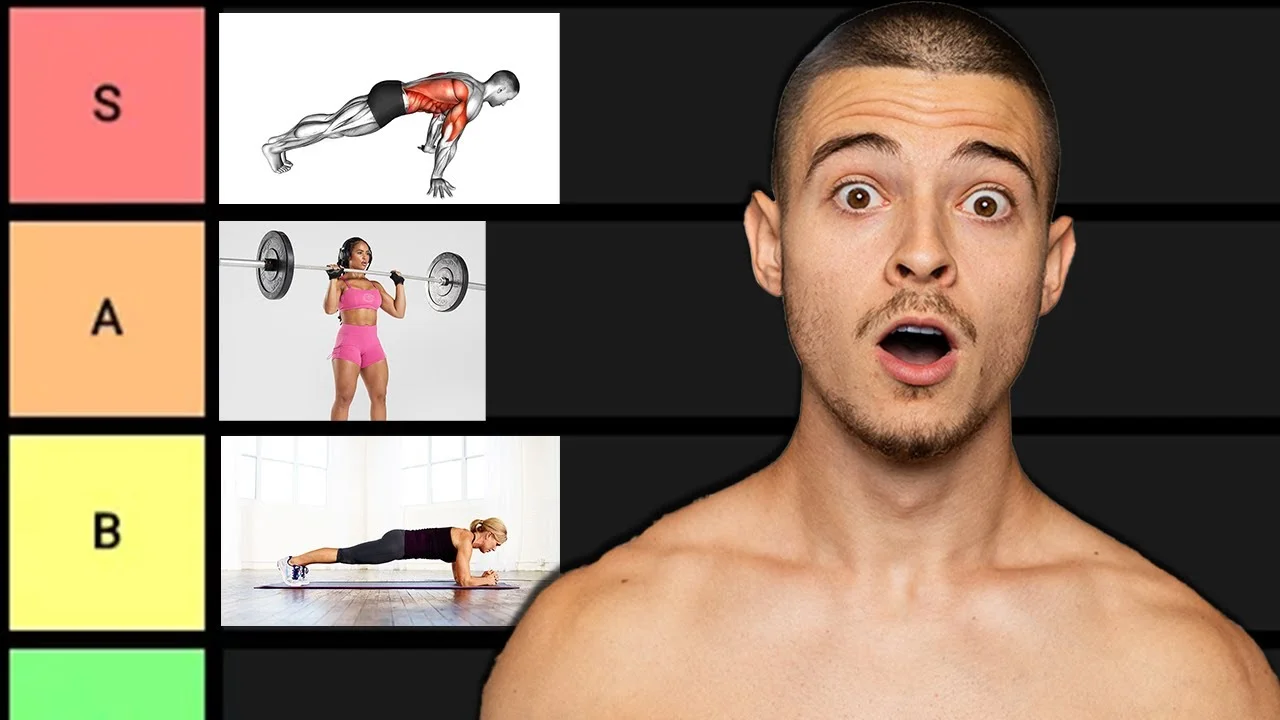
Dumbbell raises and the planche lean top my rankings, while full planche assisted with a roller does not make the cut at all, mostly a wrist injury risk.
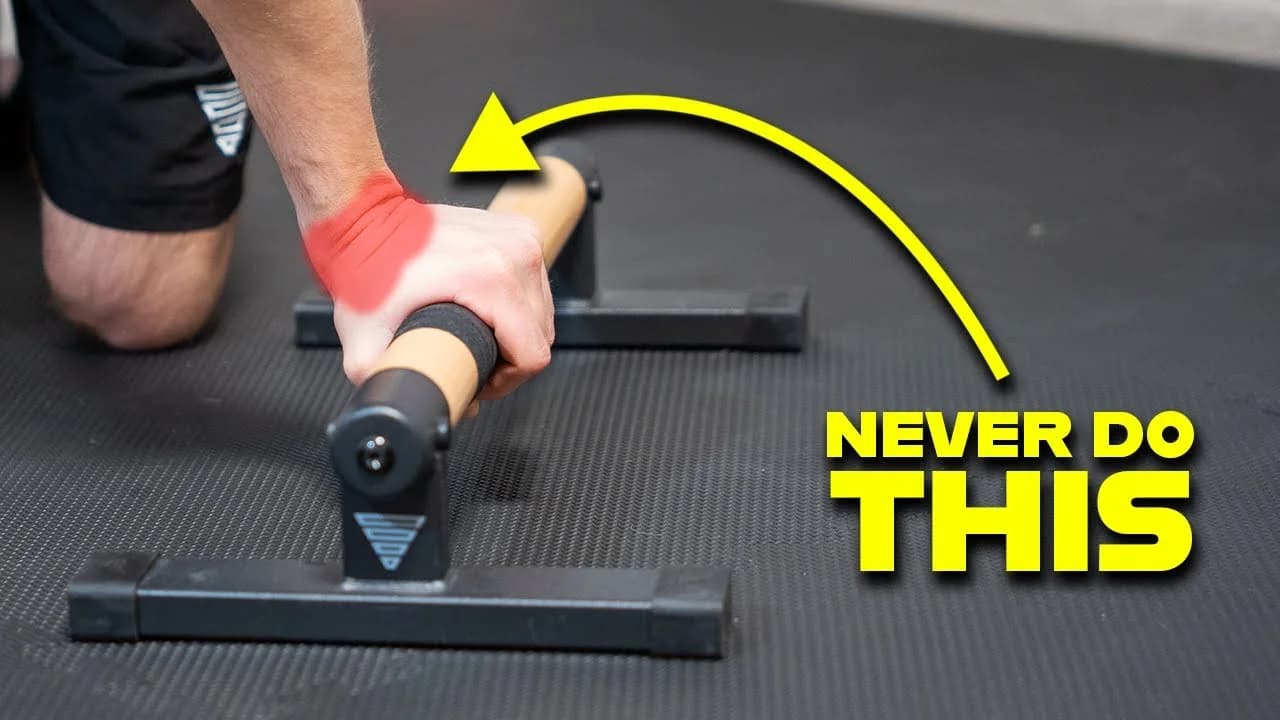
Three grip types exist on parallettes for planche, and 90% of beginners default into the wrong one without realizing it costs them height and risks injury.
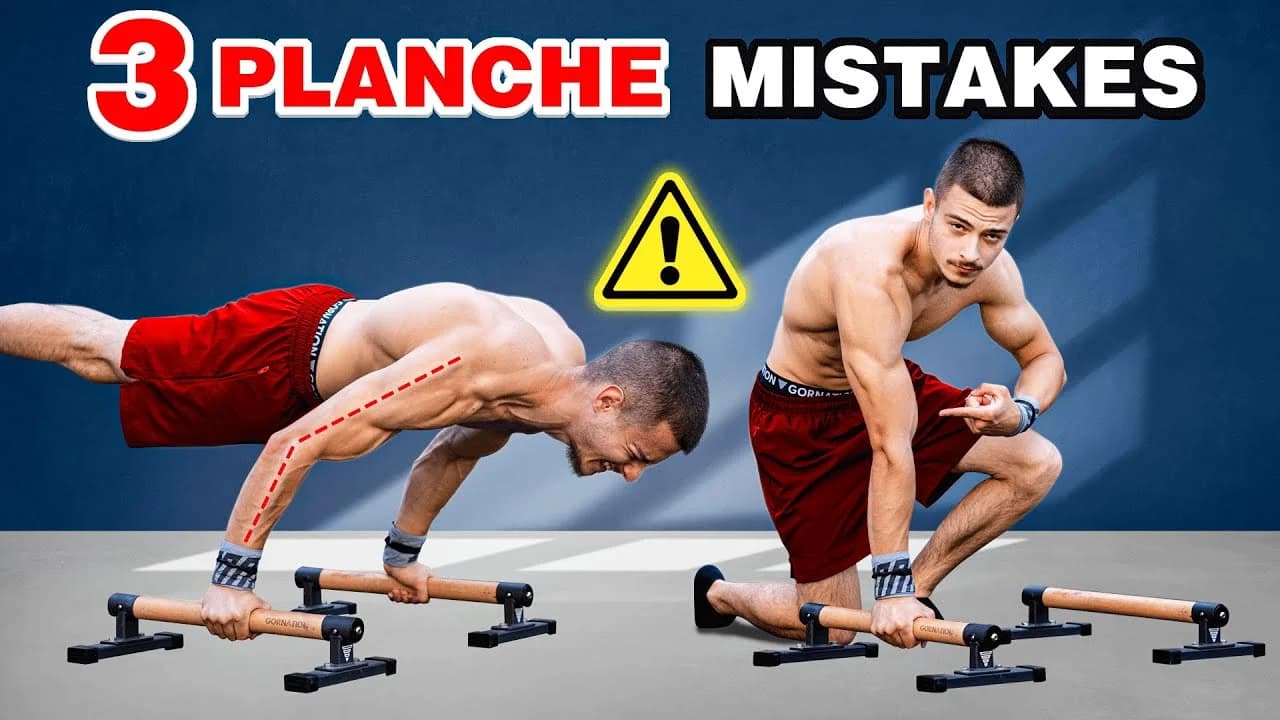
Bent elbows, skipped basics, and wrong resistance band placement are the three things quietly stalling most beginner planche progress.
I walk through the pushup progression level by level, from incline pushups to archer and one-arm variations, with the form cues that actually matter.
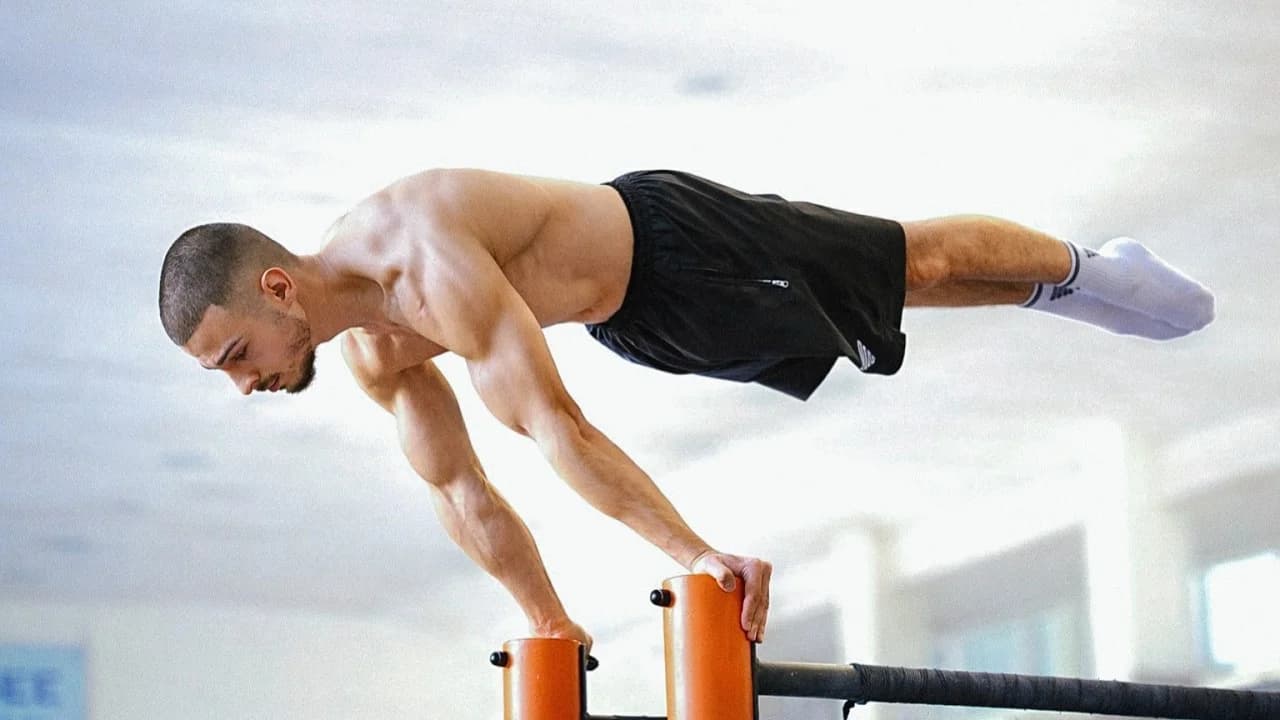
A 4x world champion's actual planche session, straddle work, weighted presses, and nine push-ups with a hold, broken into a progression you can follow.
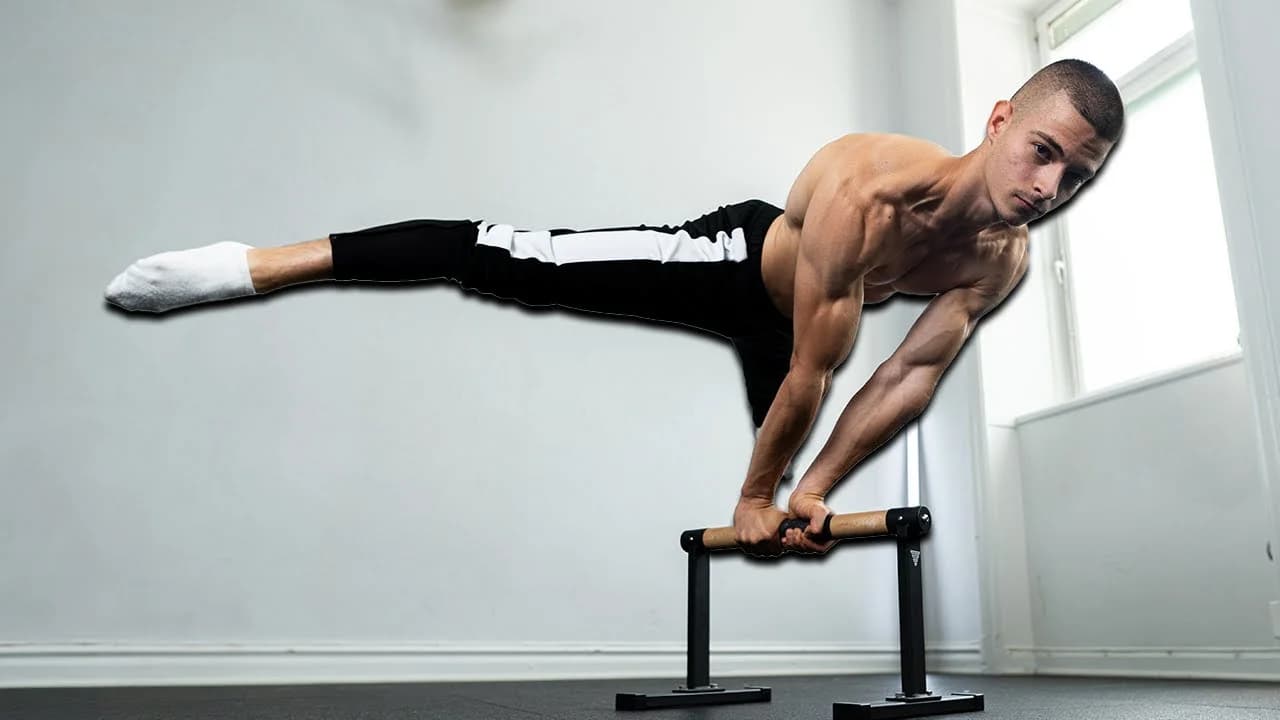
My static home session pairs front lever and planche warm-ups with a resistance band overload finisher that makes a few reps feel like fifty.
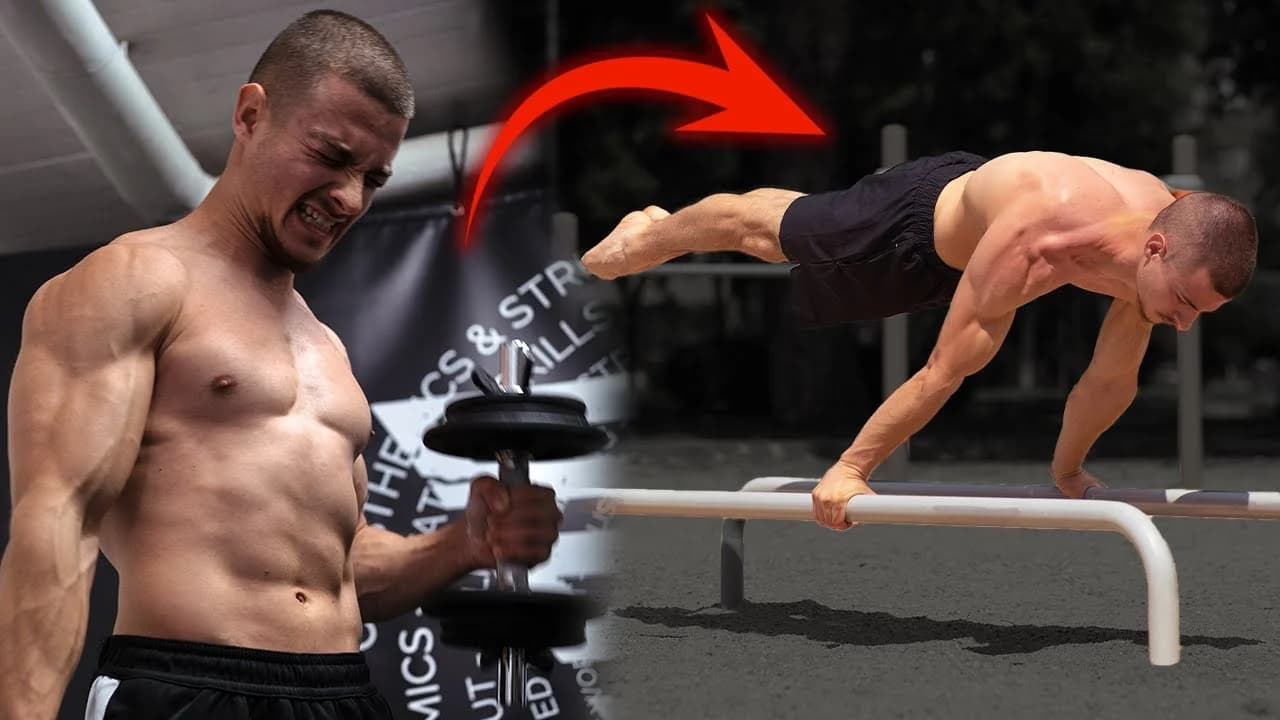
Weighted pull-ups and dips will not give you a planche or front lever. Here is the training split that actually builds static skills.
Inside my home Statics Grind session with Bronny: planche and front lever combos, the form standards behind them, and how to build your own combo training safely.
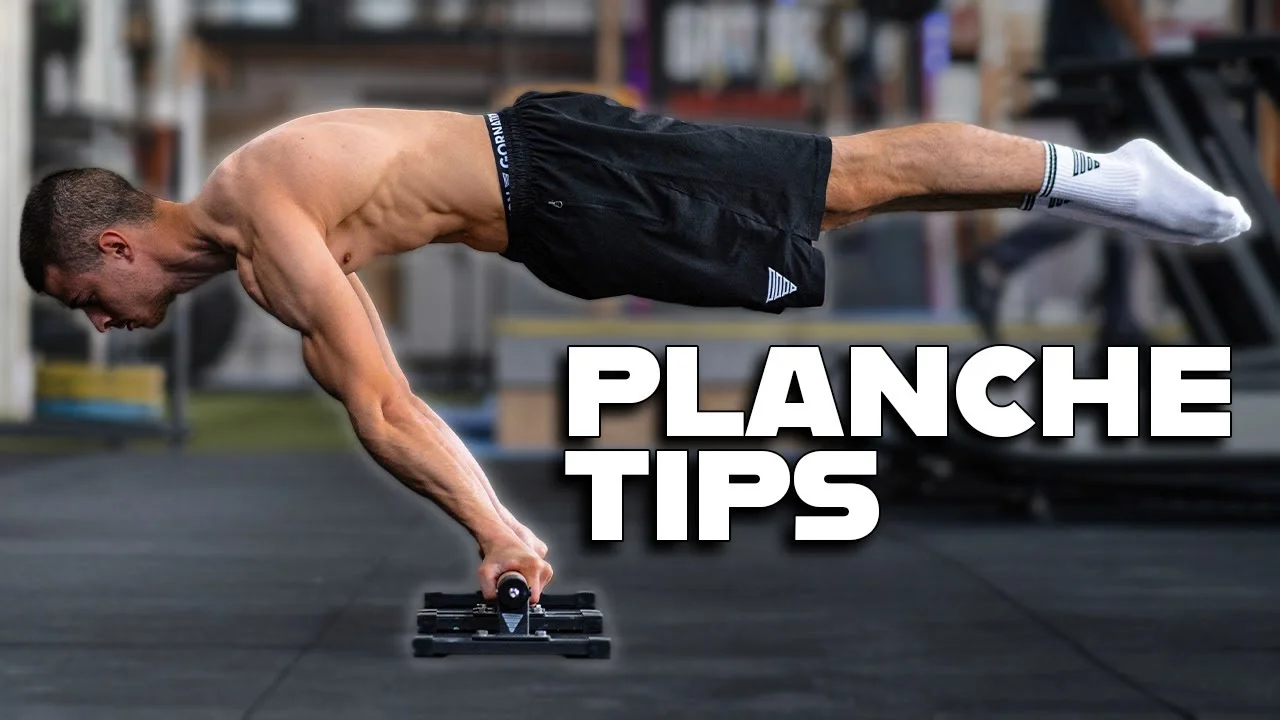
Middle grip, straight elbows, biceps forward, shoulders down not back: the exact sequence I use to fix a shaky planche lean before adding difficulty.
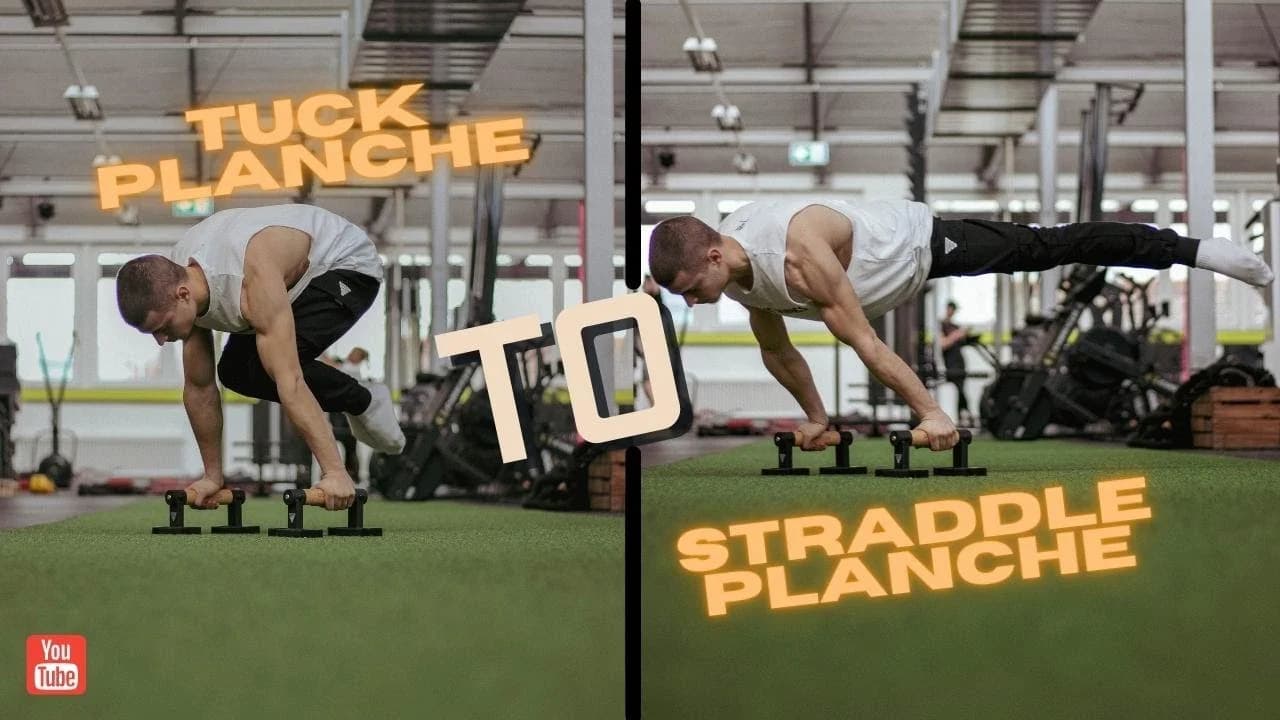
The straddle planche sits between tuck and full planche, and getting there takes a staged approach, not a shortcut past the tuck.
Learn more about Daniel Hristov's Journey