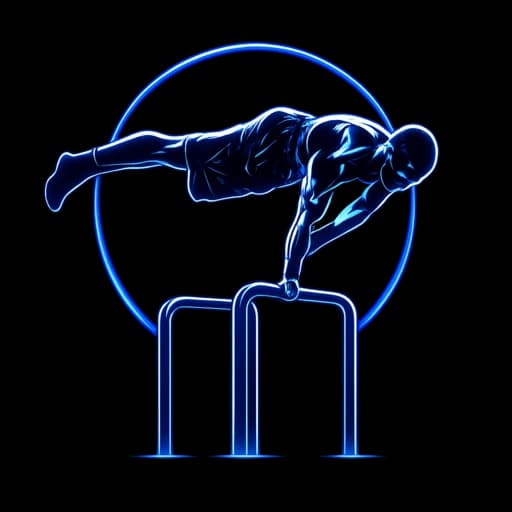
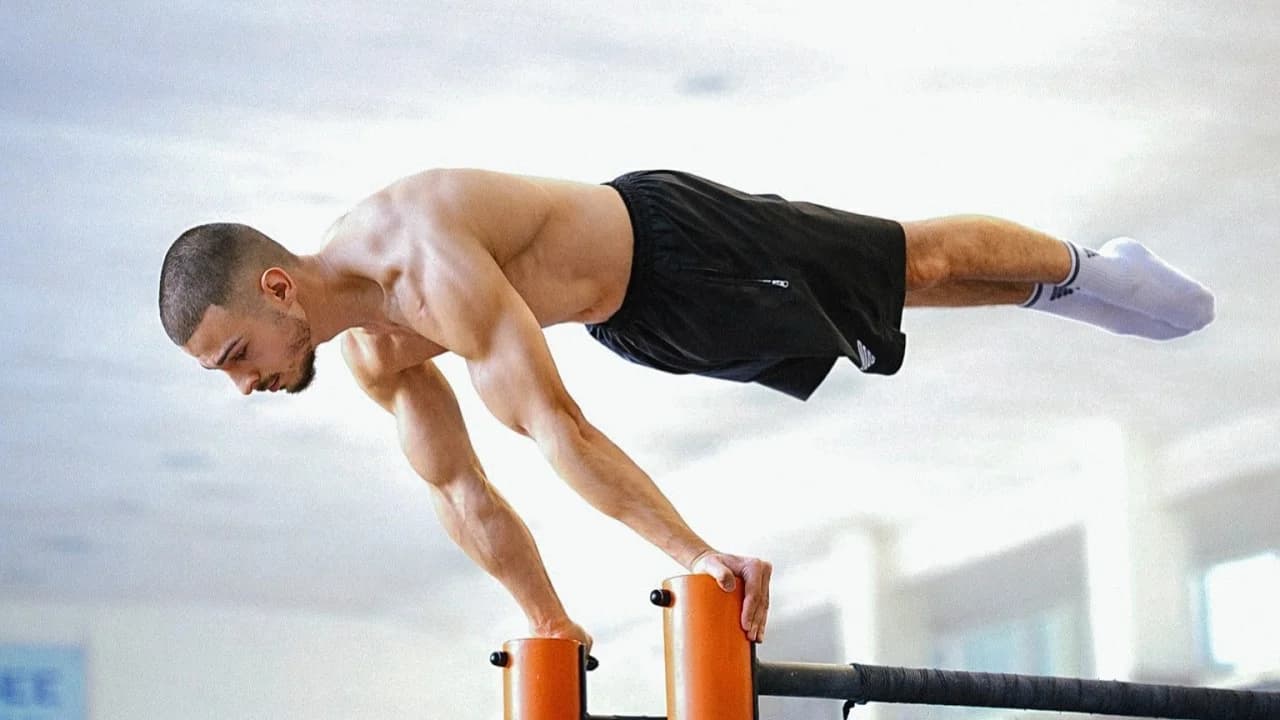
The full planche is one of the hardest static holds in calisthenics, a straight-arm, straight-body position where your feet never touch the floor. Even as a four-time world champion I still feel heavy at the start of most planche sessions, so do not expect it to click quickly. It sits alongside the front lever as one of the two skills that define advanced straight-arm strength, and it takes a real base of tuck and straddle work before the full version becomes realistic. In this tutorial I cover what the full planche actually is, the prerequisites worth building first, my technique cues, and a stage-by-stage progression. By the end you will know how to start training it and which mistakes to avoid on the way.
Watch the Full Tutorial
What Is the Full Planche
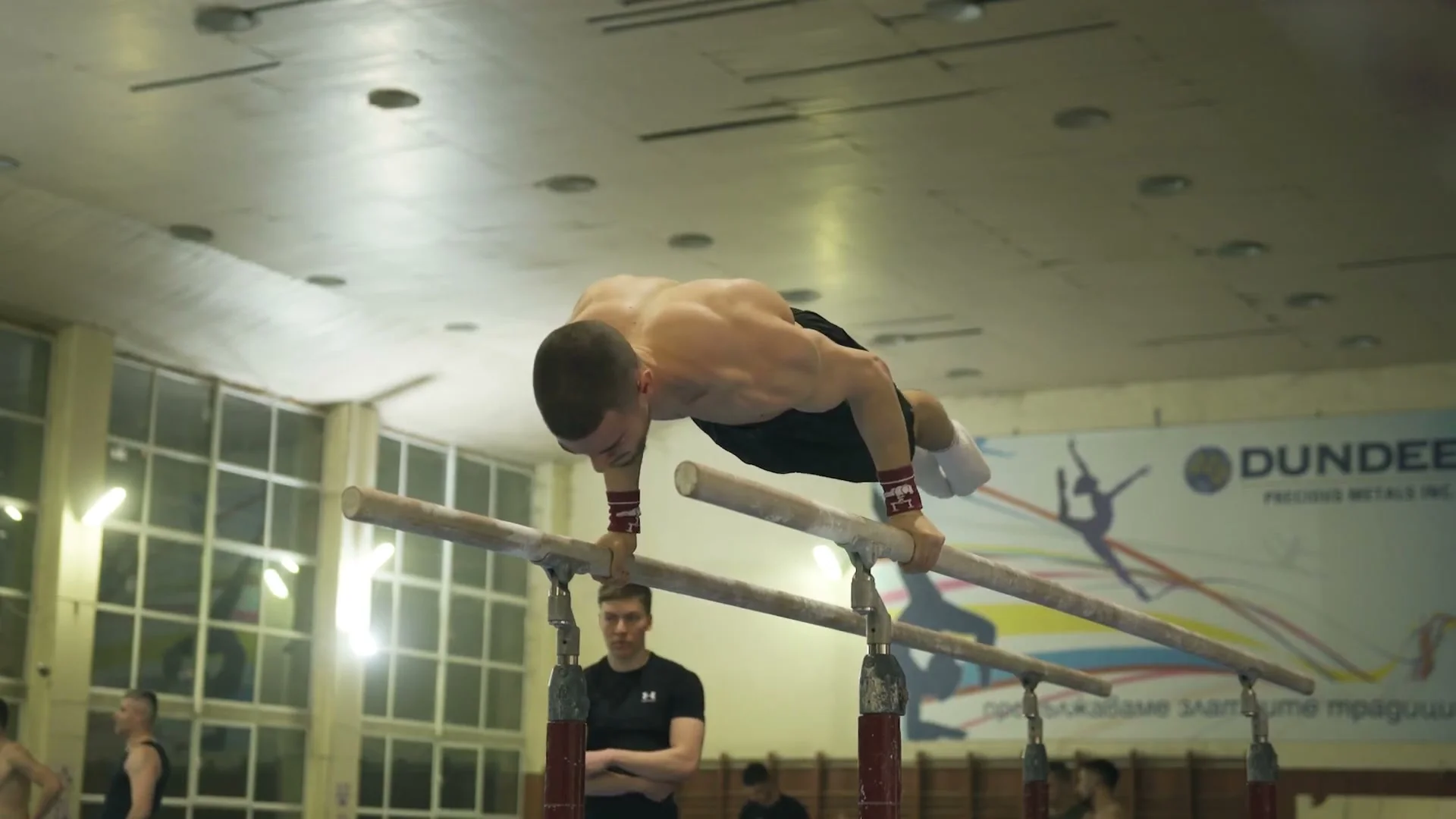
The full planche is a straight body hold where you support your entire bodyweight on your hands, arms straight, feet off the ground, body parallel to the floor. No lean support, no assistance, just shoulders, wrists, and a locked-tight core doing all the work.
I still train it as a four-time world champion, which tells you something. It never becomes easy. In my planche sessions I move between straddle planche, full planche presses, full planche push-ups, and holds, and I still describe the feeling at the start of a session as heavy more often than light.
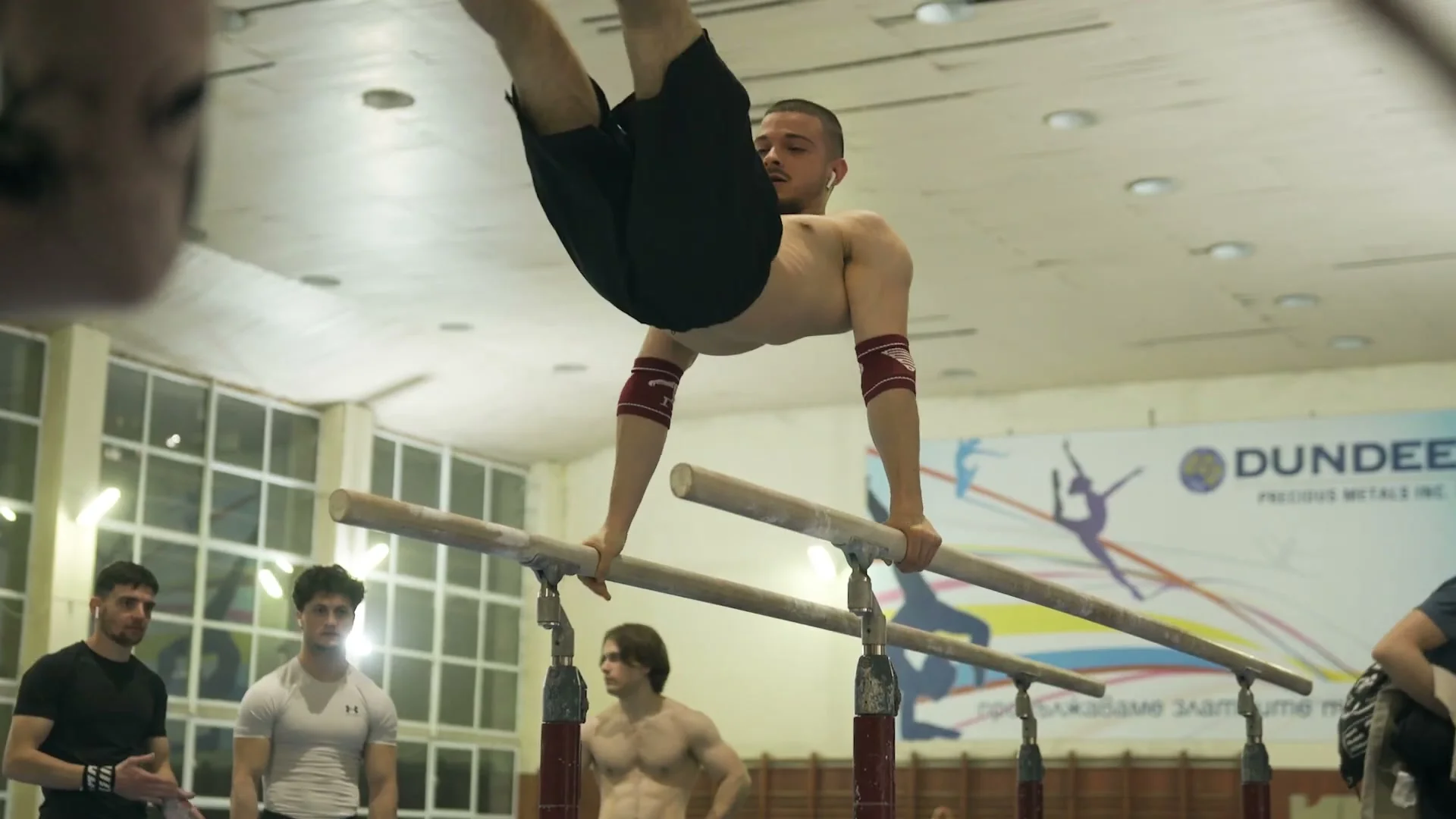
The planche sits in the same family as the front lever, and in my own training the two get paired in the same session. I finish a lot of planche work with front lever pull-ups, partly because the pulling balances the pushing, and partly because grip and shoulder fatigue from one carries into the other whether I plan it or not.
Prerequisites
You do not need to be advanced to start planche work, but you do need a base. Straight-arm pushing strength is different from a normal push-up or dip, and your wrists need time to adapt to the forward lean before you load them hard.
- A tuck planche hold you can control, not just survive
- Comfortable pseudo planche push-ups or planche leans at a shallow angle
- Wrist mobility that lets you lean forward without pain
- A hollow body position you can hold under fatigue
- Some pulling strength in reserve, front lever or rows, since I train both pushing and pulling together
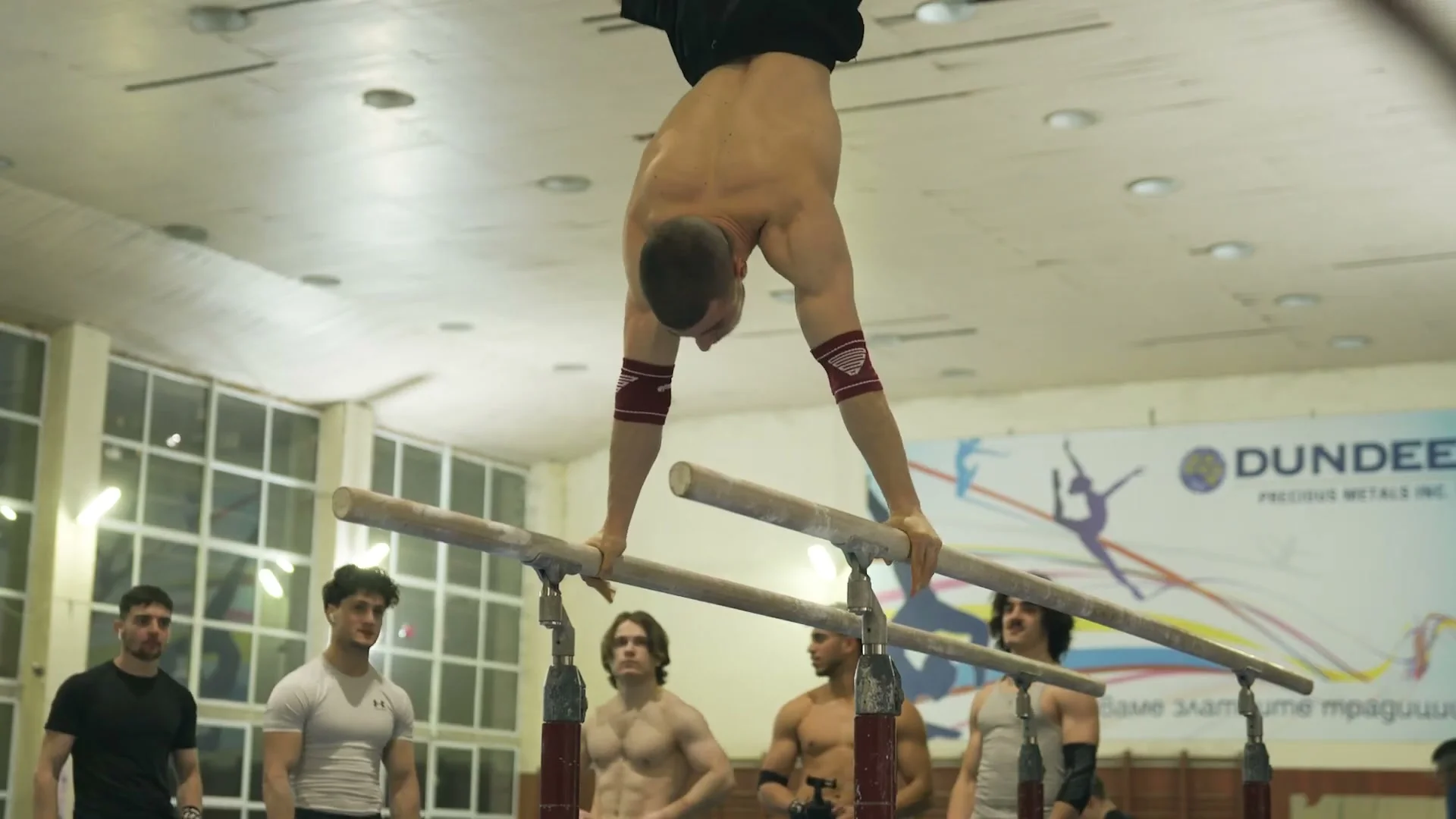
If you are missing more than one of these, spend a few weeks building them before you chase straddle or full planche leans. Rushing the lean is the fastest way to aggravate your wrists.
How to Do the Full Planche
Everything starts with the lean. You shift your shoulders forward past your wrists, protract the shoulder blades, and press the floor away as you lift the hips and legs to parallel. Keep the arms locked straight the whole time. If the elbows bend, the hold collapses fast.
Key Takeaway
The full planche is a lean before it is a hold. Get your shoulders past your wrists and your straight-arm strength solid first, then chase the flat body line. Skipping straight to the full position on tired form is how the elbows and wrists take the hit.
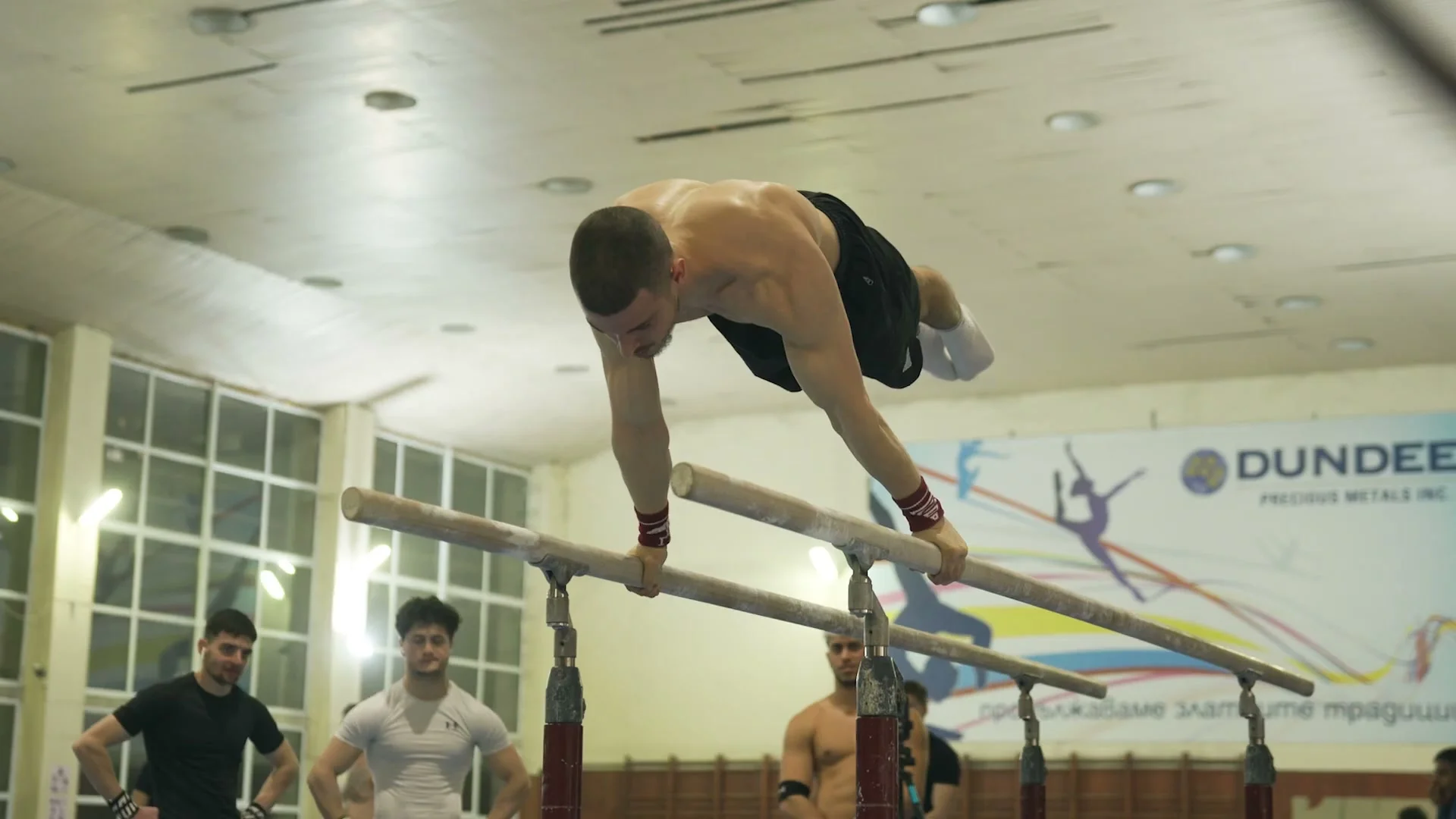
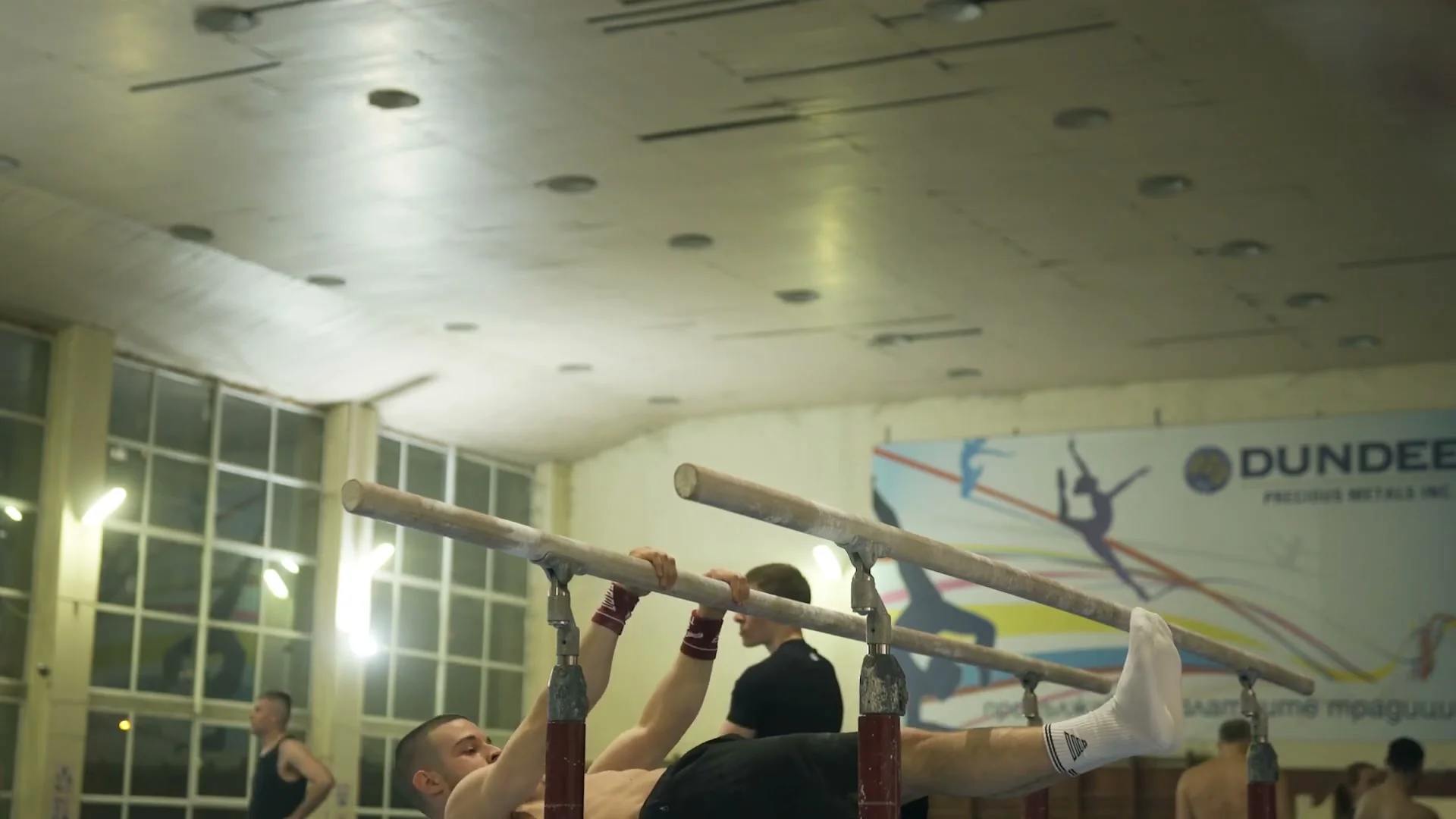
For the negative, the version I use most, lower yourself as slowly as you can from the top position down to a bottom point that sits a little lower than a 90 degree elbow bend, then hold there before pressing back up. Keep the elbows tracking back along your ribs. In my own reps I have caught myself letting the elbows drift out to the sides under fatigue, and that one change alone will make the movement harder and less clean.
For presses (pressing up from a bent arm position into the straight arm hold) and push-ups (a full press up and down), I treat them as separate tools. Presses build strength in the top range. Push-ups build the whole range plus control. In one session I aimed for volume and got nine full planche push-ups with a hold, then two more reps after a short rest. In a later set that same session I deliberately cut the reps to four and skipped the hold, focused only on clean form. Both approaches have a place, but they are not interchangeable, and I would not chase both in the same set.
Progression: From Zero to Full Planche
Stage 1: Tuck Planche
Knees pulled to the chest, hips high, shoulders protracted and pressed past the wrists. This is where you learn the lean without the leverage working against you yet.
Stage 2: Advanced Tuck and Straddle Planche
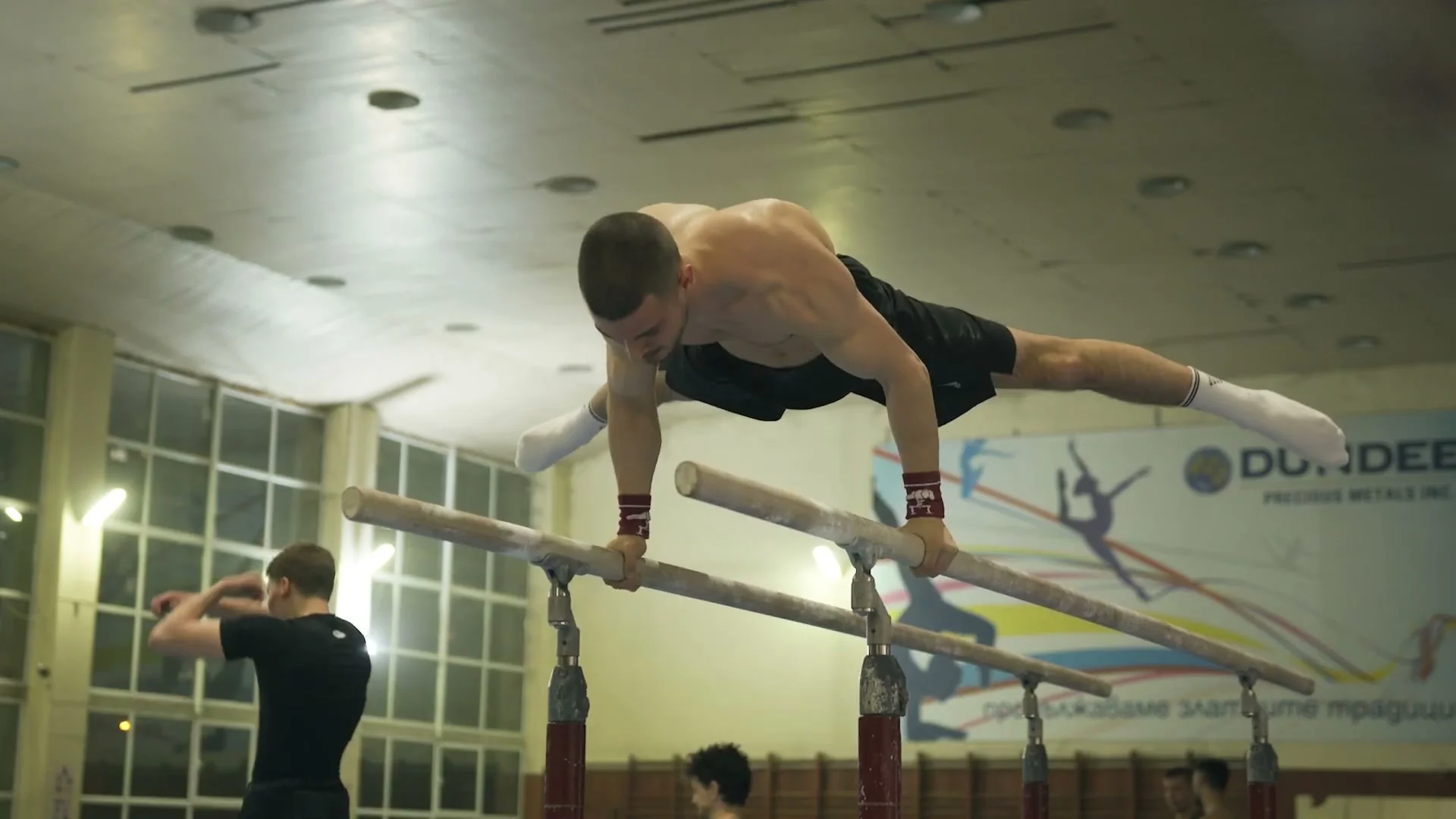
Extend the legs into a wide straddle, or open the tuck slightly, to add leverage while the straddle position keeps the legs light. I still do straddle planche in every session, even though, as I said in the workout, I would not call it my favorite part.
Stage 3: Full Planche Lean and One-Leg Variations
Close the legs together and work leans at a shallow angle first. This is also where balance work pays off. I still do one-arm handstands and leans into full planche regularly, just to keep the feel of the balance point sharp.
Stage 4: Full Planche Presses and Push-Ups
Once the lean is solid, move into presses from a bent-arm start and eventually full push-ups. Add the hold at the top once the movement itself is clean, not before.
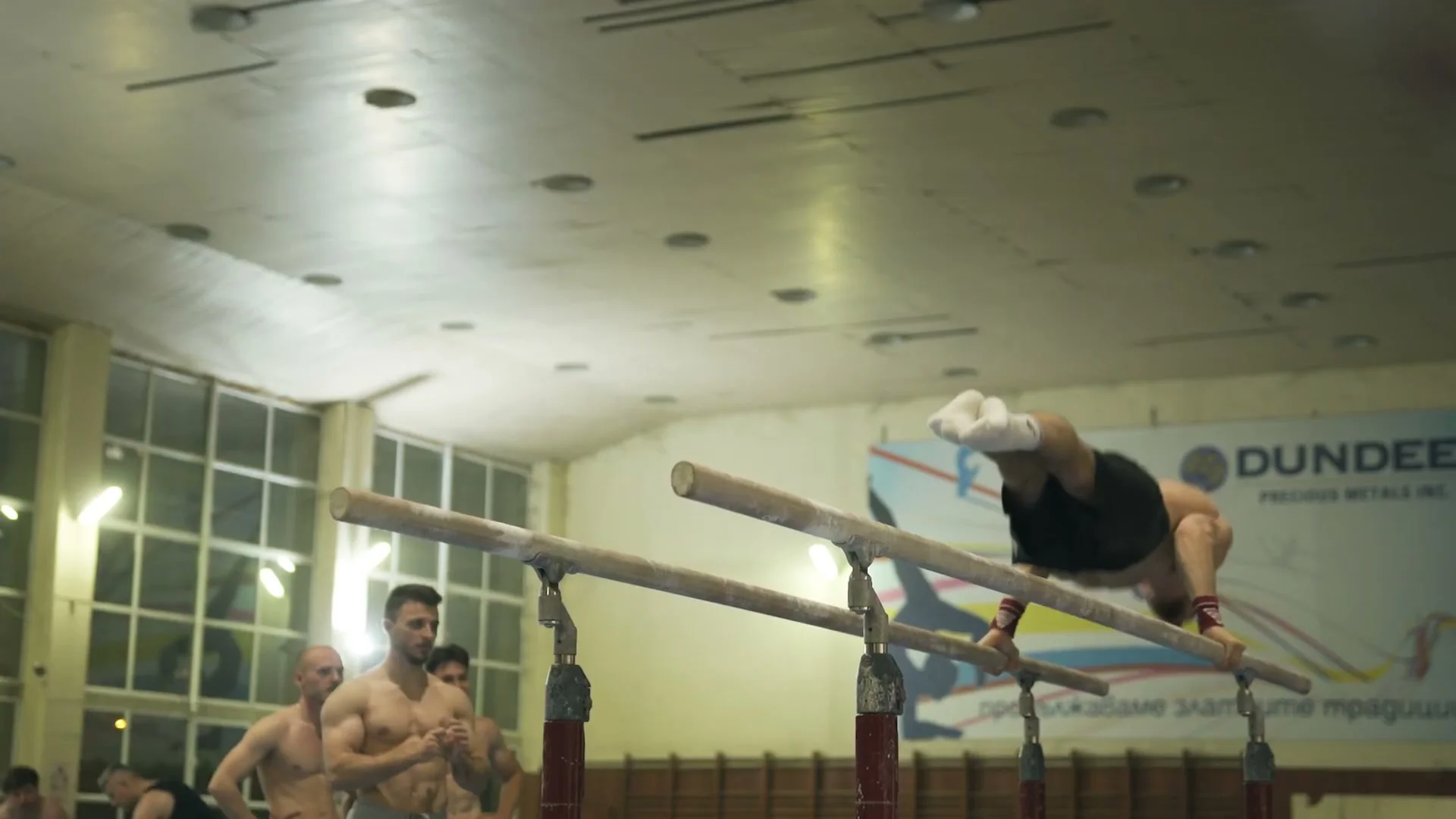
Stage 5: Load and Combos
Once you can do full planche cleanly for reps, added load can help. I sometimes add light ankle weights, in the range of half a kilo per leg, at the start of a session. The idea is that your nervous system adapts to the heavier load, so when you remove the weight later in the session the same movement feels lighter. It is a trick worth testing on yourself, not something to take on faith.
Common Mistakes
Mistake: Letting the Elbows Flare Out
On slow negatives especially, fatigue pulls the elbows out to the sides instead of back along the ribs. It happened to me in the same session I am describing here. It costs you shoulder tension and makes the bottom position far harder to control.
Mistake: Chasing the Hold Over Clean Reps
It is tempting to always add a hold after every set of push-ups. I have found the opposite works better for quality: do a smaller number of clean reps, rest, then go for a full planche hold separately. Mixing volume and hold in the same rep every time slows down how fast your form actually improves.
Mistake: Skipping Activation Before Heavy Attempts
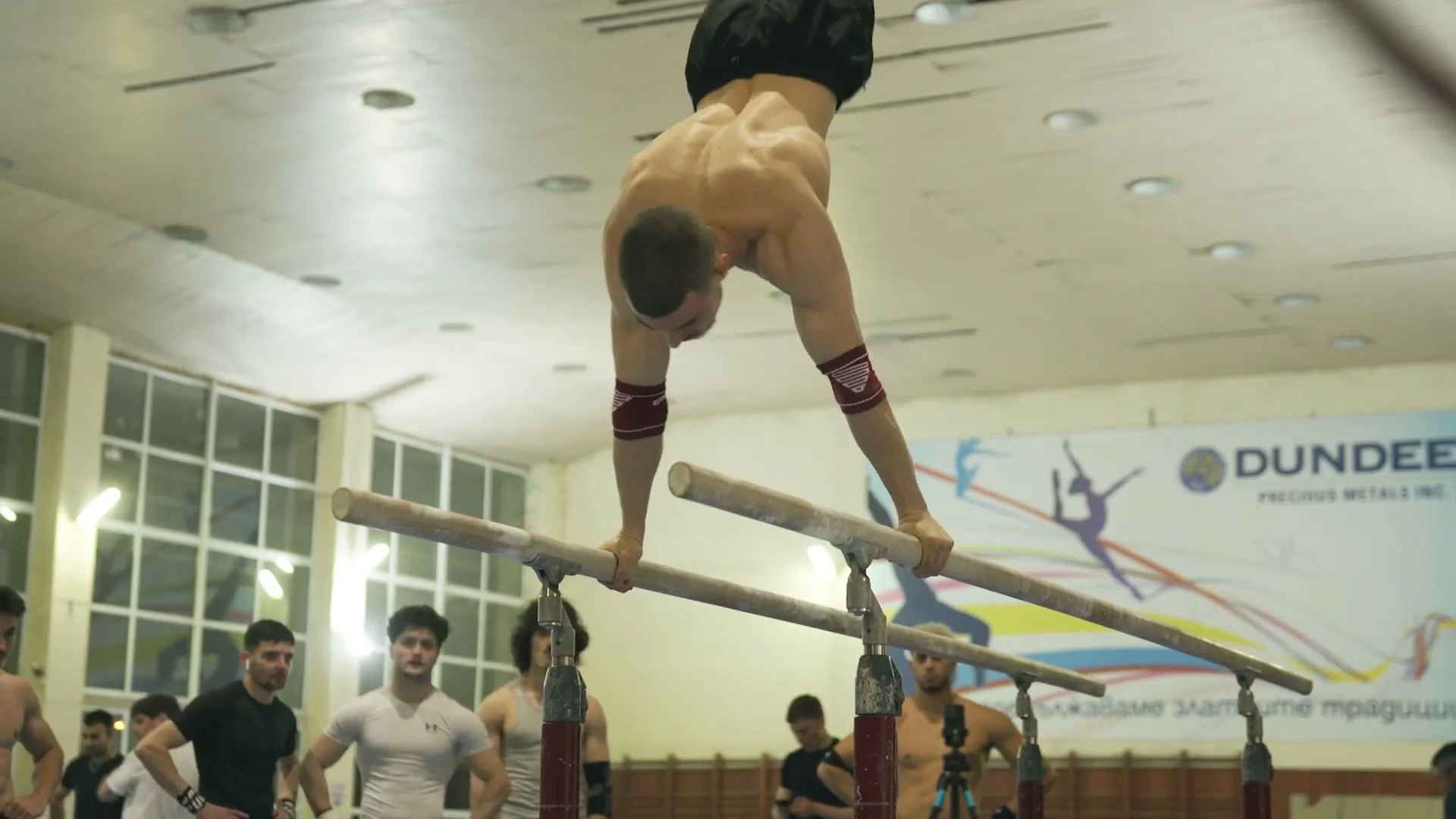
I never go straight into planche work cold. Swings to handstand and a second round of the same movement is part of every session before the main planche sets, specifically to check how the shoulders and wrists feel that day.
Mistake: Ignoring How the Body Actually Feels That Day
I did not feel my body good in the session behind this article, and the elbow flare above happened because of it, not because the movement itself is impossible to do clean. Adjust the plan to how you feel, do not force the same numbers every time.
Training Tips
Pair pushing with pulling in the same session. I finish a lot of planche work with front lever pull-ups, and I make a point of pulling at the bottom position specifically, since that is where I feel weaker compared to the top.
Separate your goals within a session. If you are chasing volume, aim for reps and accept the form will not be perfect every time. If you are chasing quality, cut the reps down and skip the hold so you can focus fully on the shape of the movement.
Try the weighted-then-unweighted trick for yourself before you decide it does or does not work. I use light ankle weights early in a session to make the same movement feel lighter once I remove them, but I would not present it as guaranteed for everyone.
Frequently Asked Questions About the Full Planche
How long does it take to get a full planche?
There is no fixed timeline, it depends on your starting strength, wrist mobility, and consistency. What I can tell you from years of training it is that even at an advanced level the feeling changes session to session, so do not expect a straight line of progress.
Do I need a straddle planche before a full planche?
Straddle planche is the standard stepping stone because it reduces leverage compared to full planche. I still train straddle planche regularly myself, even at my level, as part of building toward harder full planche variations.
Should I use weights when training planche?
Light added load, such as ankle weights, can be used deliberately to make the unweighted movement feel lighter afterward. It is not a requirement, and it should come after your bodyweight form is already clean, not before.
Why do my elbows hurt during planche training?
Elbow discomfort often comes from the elbows flaring out to the sides during presses, push-ups, or negatives instead of tracking back along the body. Slow down the movement and check your elbow position before adding more volume.
Is planche training safe for beginners?
It can be, if you build the prerequisites first, wrist mobility, tuck planche control, and straight-arm strength, rather than jumping straight to straddle or full leans. Rushing the wrist loading is the most common way people get hurt.
What is the difference between a planche press and a planche push-up?
A press starts from a bent-arm position and drives up into the straight arm hold. A push-up covers the full range, lowering all the way down and pressing back up. I use presses to build top-range strength and push-ups to build control through the whole movement, and I do not treat them as the same drill.
If you want a full look at your current planche technique and a plan built around where you actually are, that is what I work through with athletes inside online coaching.

Daniel Hristov is a four-time calisthenics world champion and coach. He shares the exact methods he uses to train his own athletes.
More about Daniel →