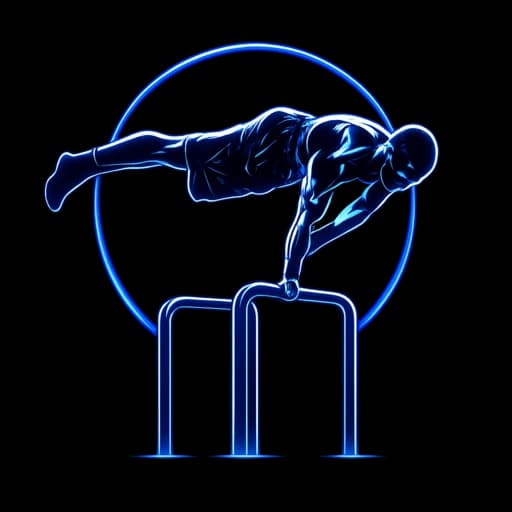
The planche is one of the skills I get asked about the most, a straight-body hold where your whole weight sits on your hands and nothing else touches the ground. It looks simple from the outside and takes a long time to actually own. It is not a beginner skill, but it is not reserved for elite athletes either, since it is built in stages starting from zero. It sits alongside the front lever as one of the core static strength elements in calisthenics. In this tutorial I cover what the planche actually is, what you need before you start, the technique cues that matter, and the stage-by-stage progression from your first attempt to the full shape. By the end you will know how to start training it properly.
Watch the Full Tutorial
What Is the Planche
The planche is a straight-body hold where you support your entire bodyweight on your hands, arms straight, and your body parallel to the floor. No feet touching anything. It is one of the classic static strength skills in calisthenics and gymnastics, and it shows up on rings, parallettes, the floor, and the straight bar.
I have worked on the planche for years as part of my own training, and it remains one of my favorite skills to teach. It is not just an arm exercise. Your shoulders, core, hips, and even your toes all have a job to do to keep the line straight and the hold stable.
Prerequisites
You do not need to be an advanced athlete to start. What you do need is a base level of pushing strength and control before the planche starts to make sense on your body.
- Comfortable holding a hollow body position on the floor
- Basic pushing strength (solid push-ups, some dip work)
- Wrist mobility and tolerance for weight-bearing on flat hands
- Willingness to train the beginner positions patiently before chasing the full shape
If you are a true beginner, that is fine. The planche journey is built in levels, starting from zero and working up, so there is an entry point whether you are just starting out or already have some pushing strength behind you.
How to Do the Planche
Start in a lean position on parallettes or the floor, hands under or slightly behind your shoulder line. Protract your shoulder blades forward, push the floor away, and keep your arms locked straight throughout the hold.
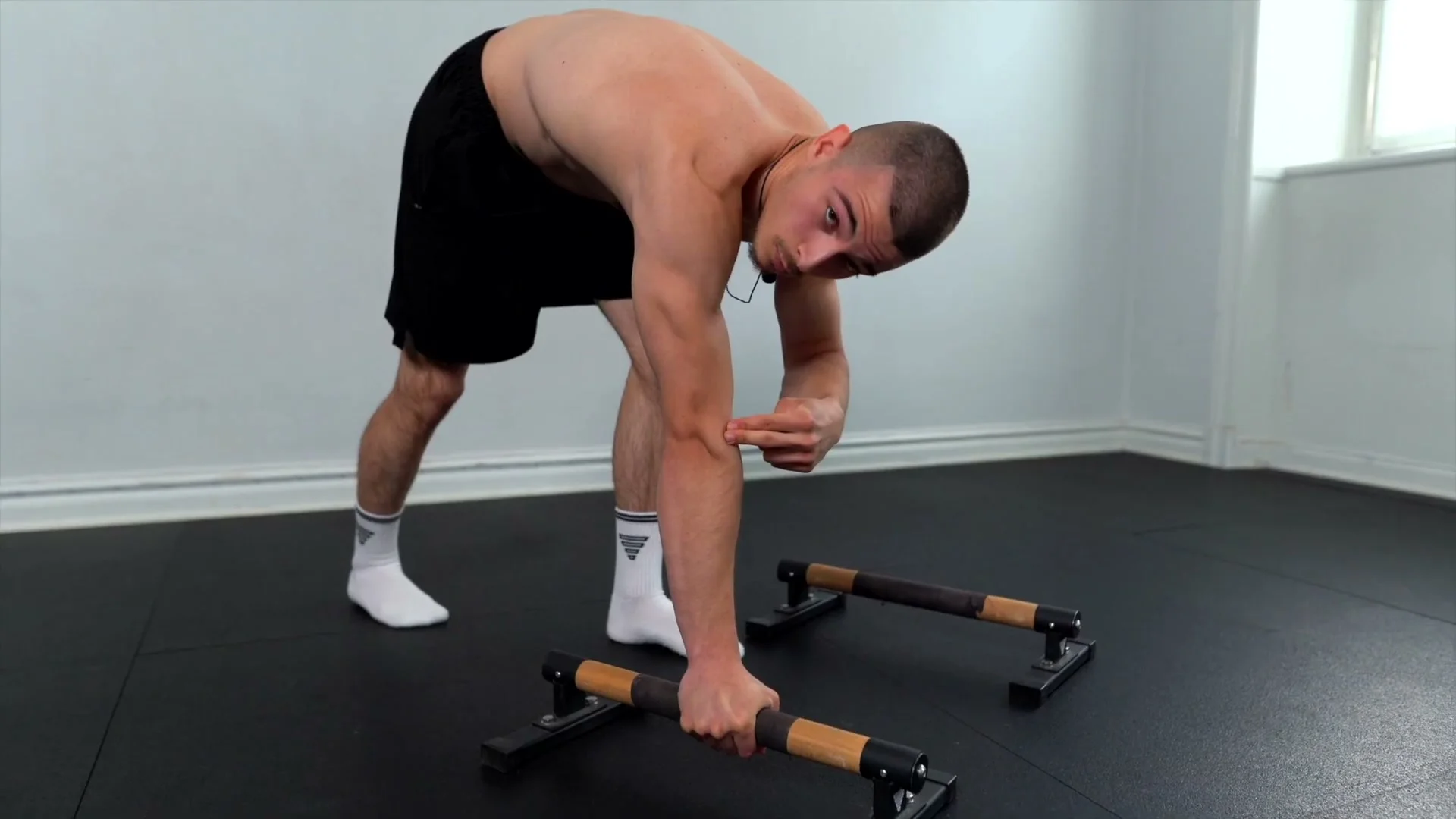
Round your upper back slightly and pull your ribs down so your body stays hollow, not sagging in the middle. Point your toes and squeeze your legs together. The forward lean of your shoulders relative to your hands is what takes your feet off the ground, so the lean angle is doing most of the work, not brute arm strength alone.
Keep your gaze slightly forward, not down, so your neck stays in a neutral line with your spine.
Progression: From Zero to Full Planche
Key Takeaway
No one goes straight from a push-up to a full planche. You build the lean and the shoulder protraction in the tuck first, then remove leverage in your favor stage by stage. Skipping a stage is the main reason people plateau with a collapsed hollow position and no real strength to fall back on.
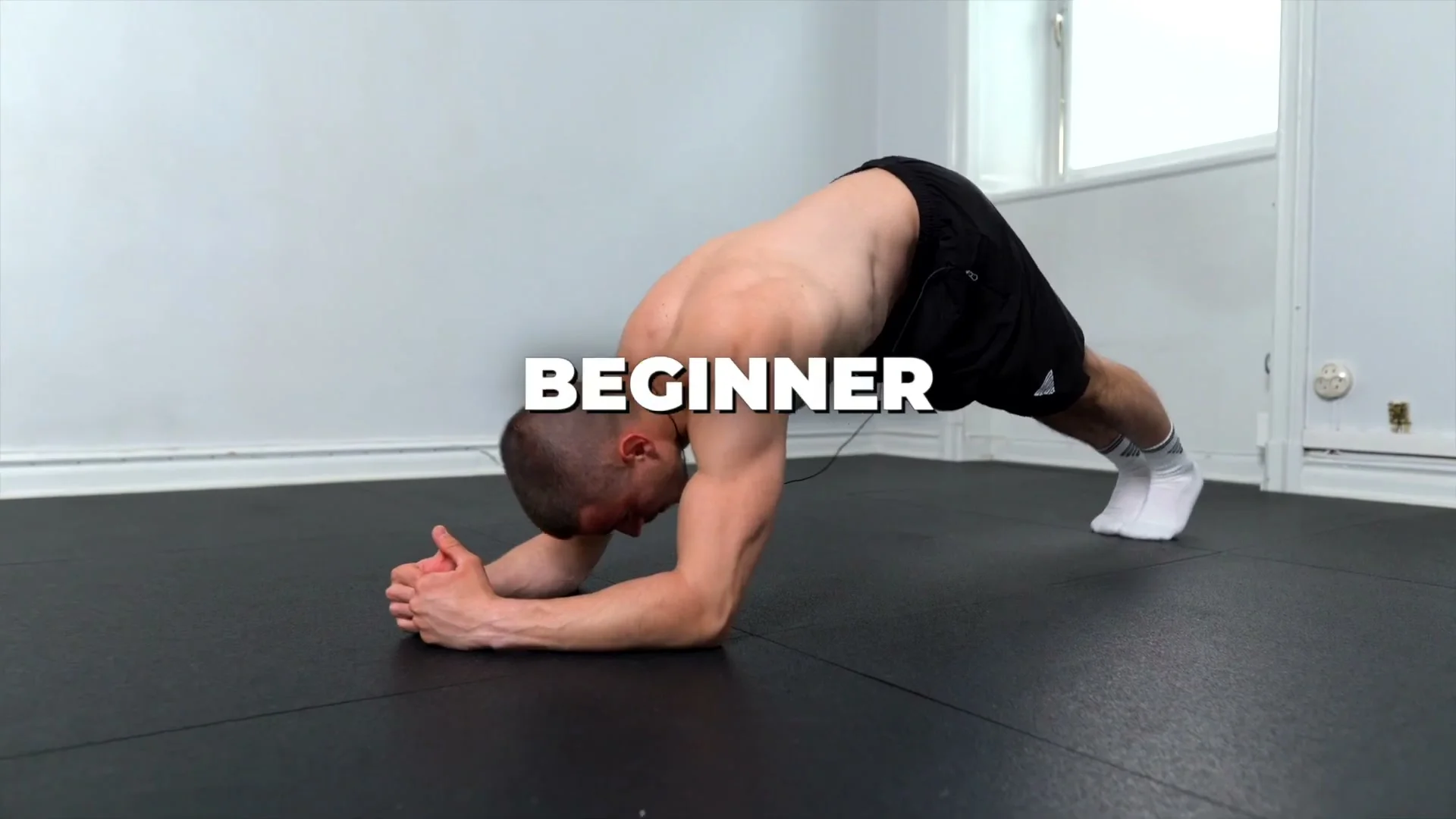
Stage 1: Tuck Planche
Knees pulled into the chest, hands on the floor or parallettes, shoulders leaned forward until the hips lift and the feet clear the ground. This is where you learn the lean and the shoulder protraction without much leverage working against you.
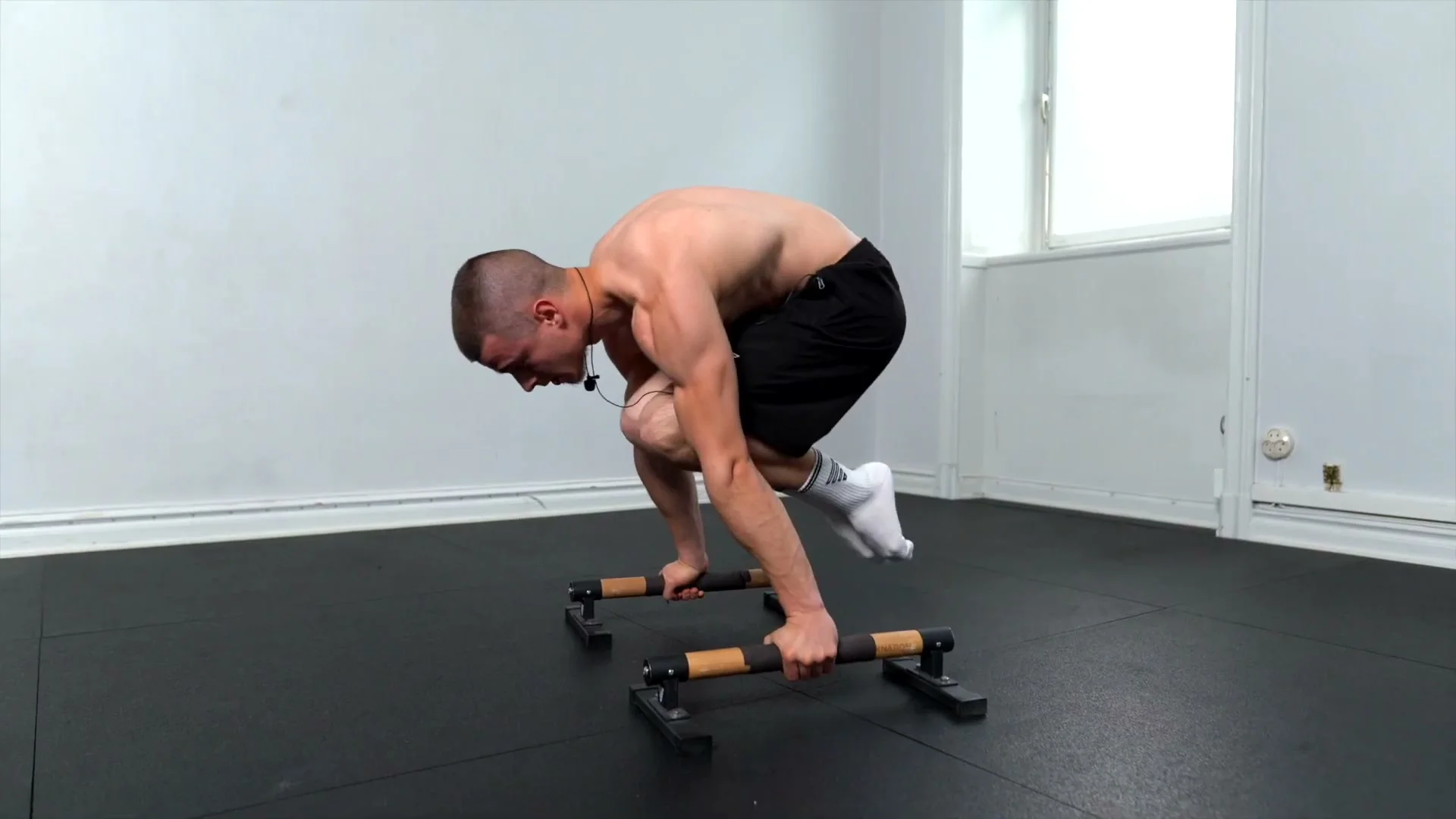
Stage 2: Advanced Tuck Planche
Hips open slightly and the knees move away from the chest while the shins stay tucked. More of your body weight is now further from your hands, so the hold demands more shoulder and core strength than the basic tuck.
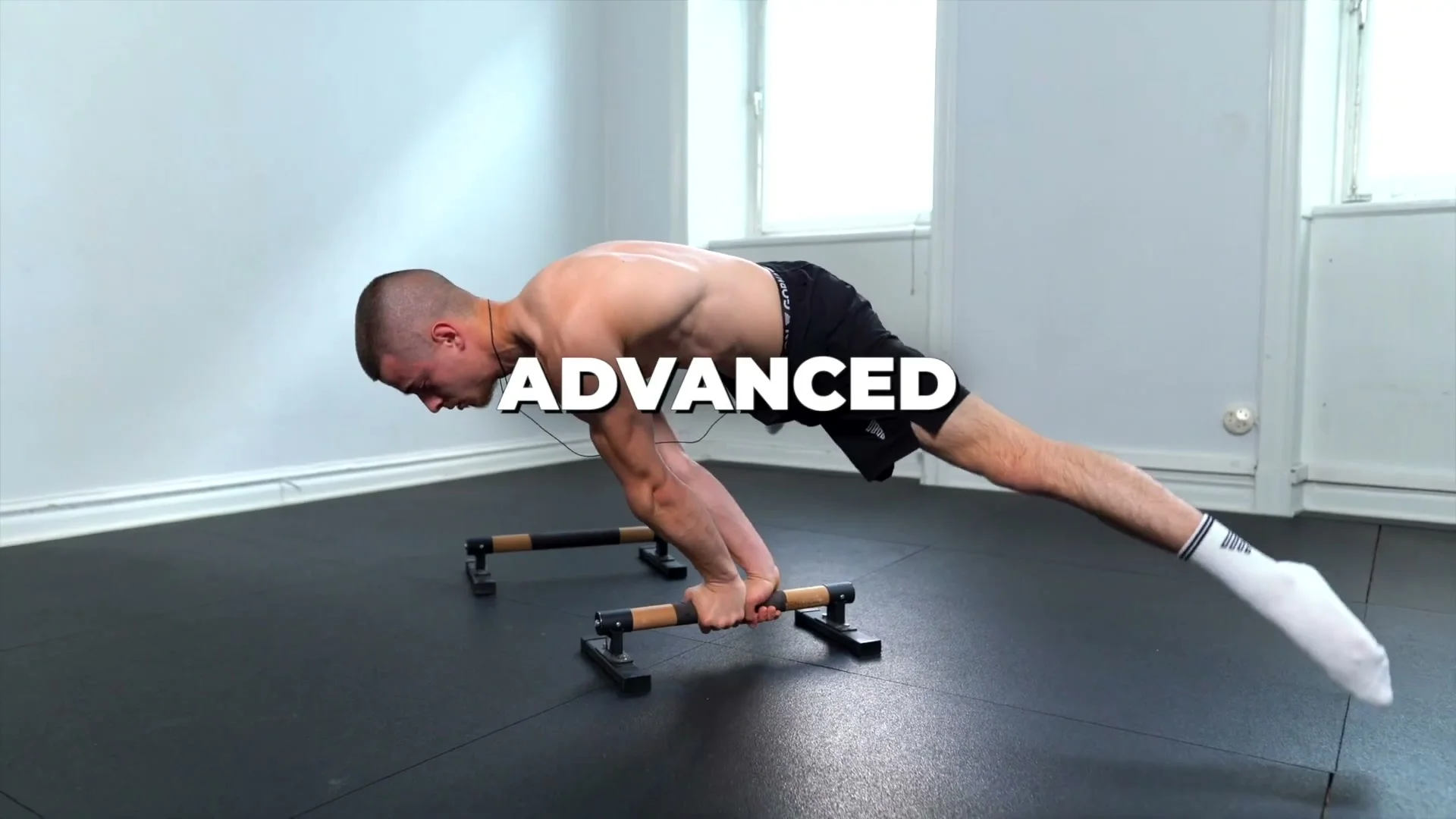
Stage 3: Straddle Planche
Legs open wide into a straddle and straighten out. Opening the legs shortens the lever arm compared to keeping them together, which is why straddle planche usually comes before a full planche with legs closed.
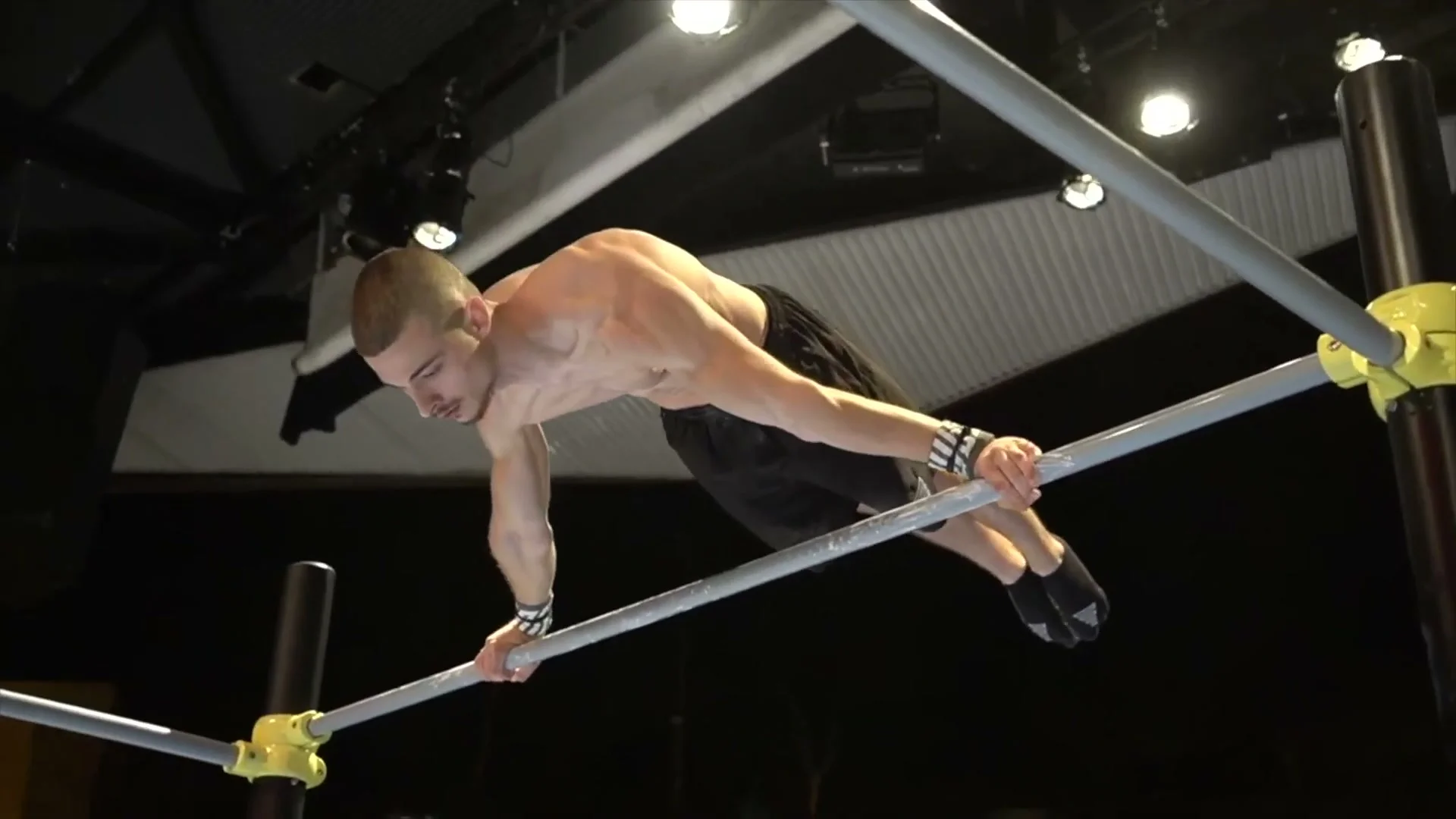
Stage 4: Full Planche
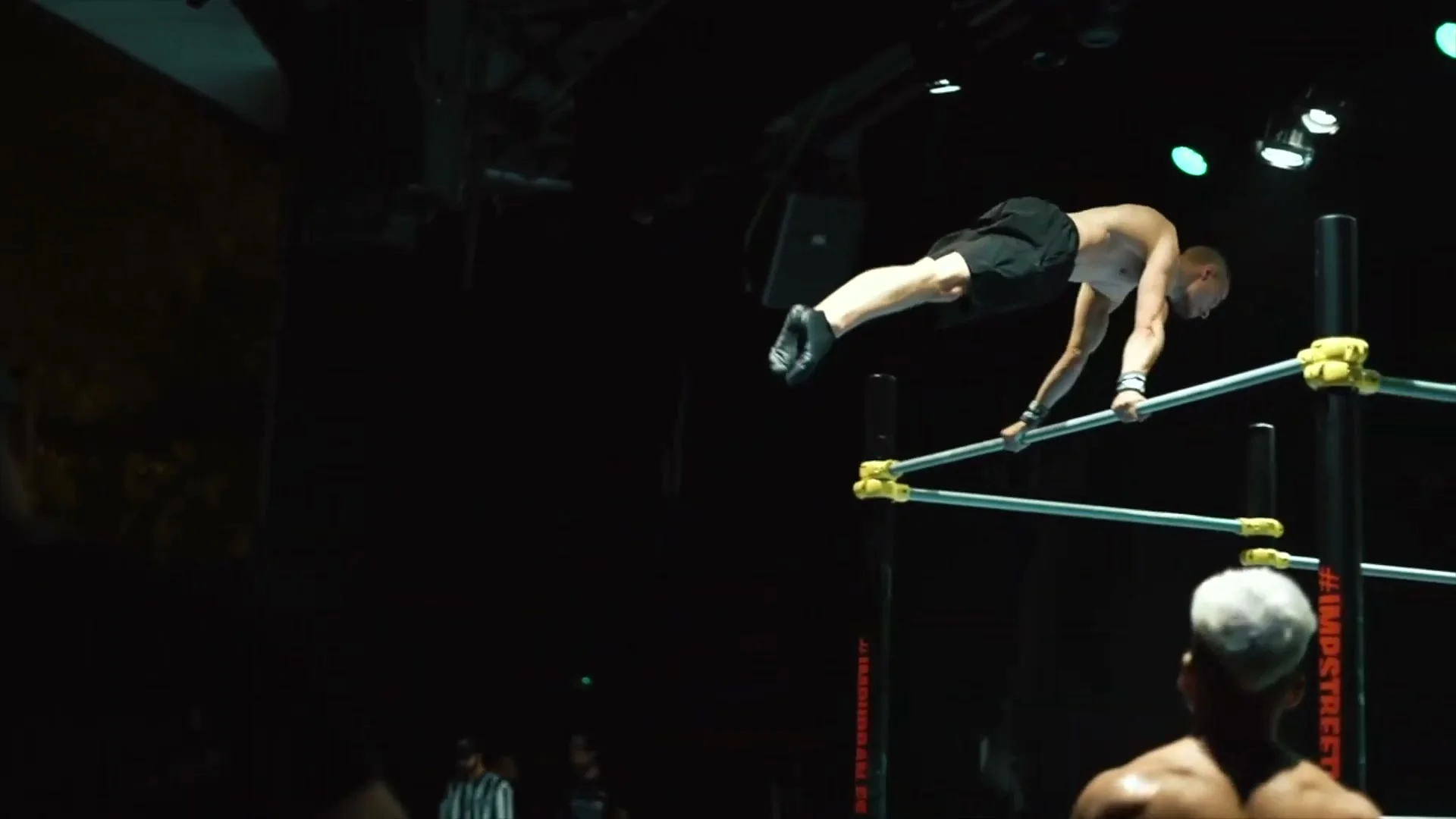
Legs together and fully straight, body parallel to the floor. This is the shape most people picture when they hear the word planche, and it takes real time to build up to honestly.
Stage 5: Beyond the Full Planche
Once the full planche is solid, there is more to work toward: planche push-ups, planche presses, finger planche, straight-bar planche, and the far more demanding iguana planche, where the body is held to the side rather than straight ahead. These sit at the advanced end of the skill and are not something to rush into.
Common Mistakes
Skipping the Tuck Stage
Jumping straight to straddle or full planche attempts before the tuck and advanced tuck are solid usually means poor shoulder protraction and a collapsed hollow position, which caps your progress early.
Not Leaning Forward Enough
If your shoulders stay stacked over your wrists instead of leaning past them, your feet will not leave the ground no matter how strong your arms are. The lean is what shifts your center of mass forward, not extra pushing effort.
Neglecting Wrist Preparation
Planche training puts a lot of load through flat hands and extended wrists. Skipping wrist mobility and conditioning work is a common reason people stall out or deal with wrist discomfort.
Letting the Hips Sag
If your hollow body position breaks down and your hips drop, the whole line collapses and your feet stay glued to the floor. Keep your ribs pulled down and your core tight through every stage, not just the ones that feel hard.
Training Tips
Train the planche early in your session, while your shoulders and core are fresh. This is a strength skill under real load, and fatigue shows up fast as a broken hollow position or a lean that will not hold.
Spend real time in each stage before moving on. A tuck planche you can hold for 20 to 30 seconds with good shoulder protraction is a far better foundation than a shaky 5-second straddle attempt.
Work your wrist mobility and conditioning alongside the hold itself. Flat-hand, weight-bearing positions are demanding on the wrists, and building that tolerance early saves you from stalling out later on discomfort rather than strength.
Do not neglect straight-arm strength work outside the hold itself. Planche leans, pseudo planche push-ups, and general straight-arm conditioning all feed directly into a stronger, more stable planche.
Frequently Asked Questions About the Planche
How long does it take to learn a planche?
It varies a lot by starting strength and consistency, but it is a long-term goal measured in months of steady work through the tuck, advanced tuck, and straddle stages, not weeks.
Do I need to be strong already to start training planche?
No. You need a basic level of pushing strength and hollow body control, but the progression is built in levels specifically so beginners have a starting point at the tuck stage.
What is the difference between tuck planche and full planche?
Tuck planche keeps the knees pulled toward the chest, which shortens the lever arm and makes the hold more manageable. Full planche has the legs straight and together, which is far more demanding on the shoulders and core.
Is planche training hard on the wrists?
It can be if you skip preparation. Because your full bodyweight loads through flat hands and extended wrists, building wrist mobility and tolerance alongside your strength work matters.
What is a straight-bar planche compared to a floor planche?
A straight-bar planche is performed gripping a bar instead of the floor or parallettes, which changes the wrist angle and grip demand and is generally considered a more advanced variation.
Should I train planche if I am still a beginner in calisthenics?
You can start learning the entry positions early, since the tuck planche does not require advanced strength. Just be patient with the earlier stages rather than rushing toward the full shape. If you want feedback on your form and a plan built around where you currently are, that is exactly what I help with through online coaching.

Daniel Hristov is a four-time calisthenics world champion and coach. He shares the exact methods he uses to train his own athletes.
More about Daniel →