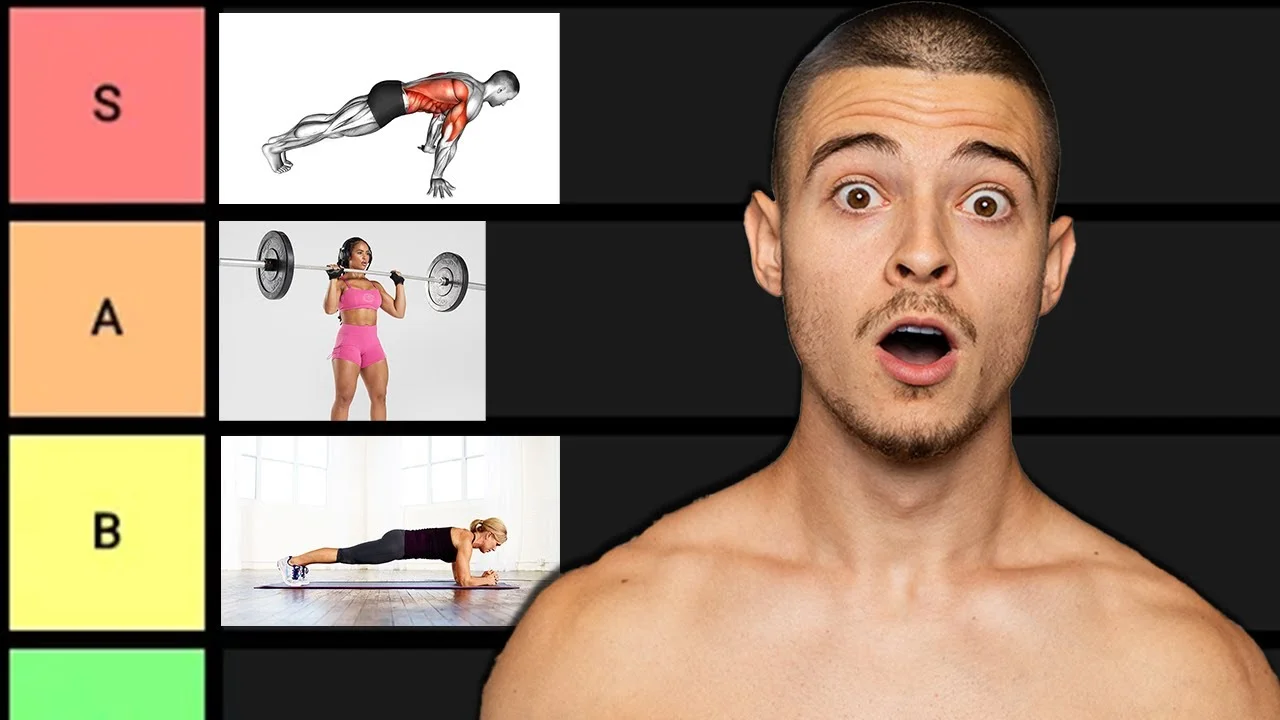
The planche is one of the hardest static holds in calisthenics, a fully horizontal body position supported only by straight arms. Most people who chase it get stuck because they train the wrong exercises in the wrong order. I put together a tier list ranking the planche exercises I see most often, from the ones I use in my own training to the ones I tell people to skip completely. In this tutorial I cover which exercises actually build planche strength, which ones are just there for a photo, and how to string the good ones into a progression. By the end you will know how to start training toward the planche without wasting time on exercises that do not carry over.
Watch the Full Tutorial
What Is the Planche
The planche is a straight body hold where your shoulders sit in front of your hands and your feet lift off the ground completely, supported only through the arms and shoulders. It puts a huge demand on protraction, the forward rounding of the shoulder blades that keeps you from tipping forward or crashing down.
It is a strength skill more than a flexibility skill. I ranked the exercises below for how much they actually carry over to planche strength, not for how hard they look on camera.
| Exercise | Tier | Why |
|---|---|---|
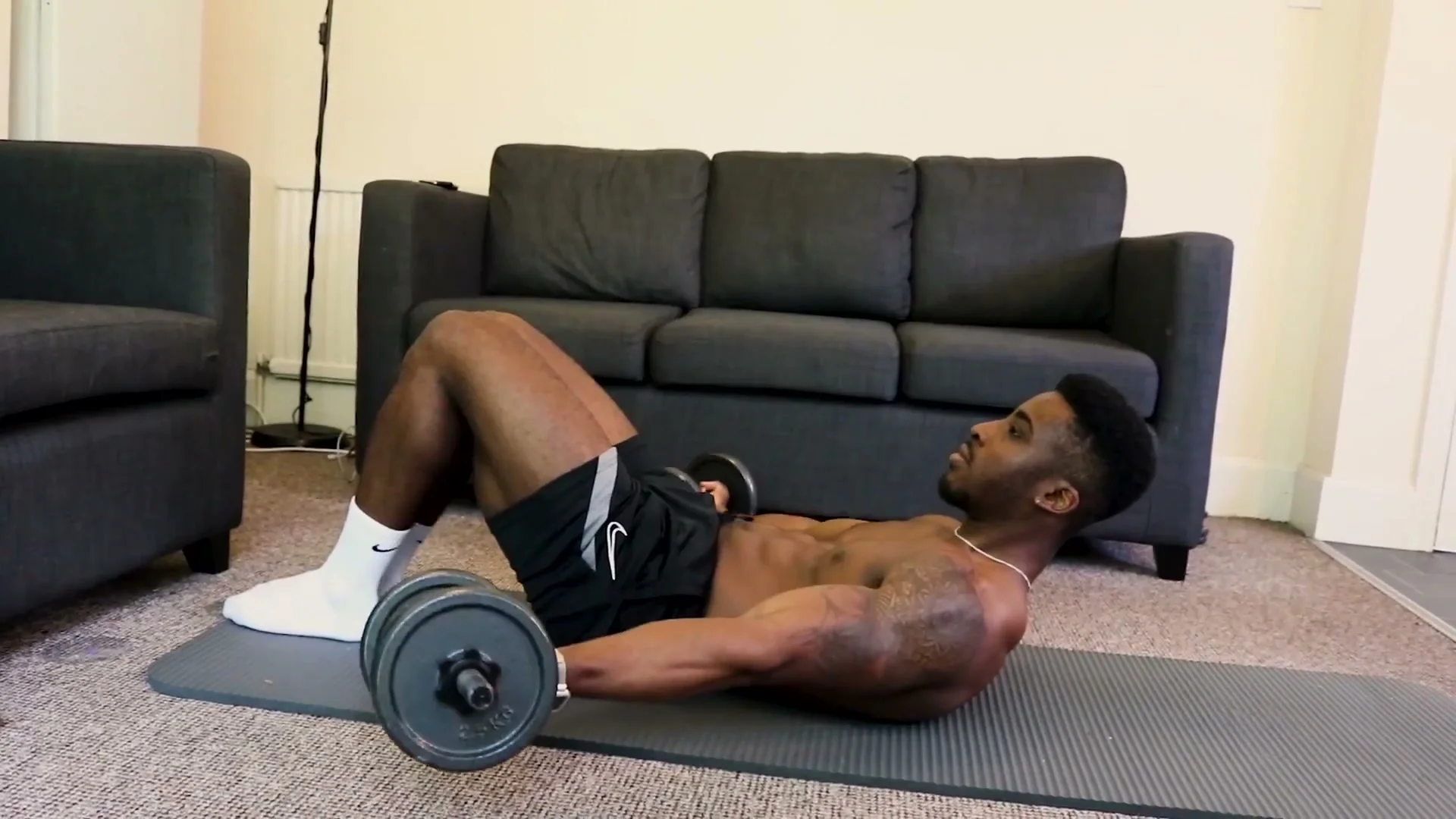
| Dumbbell raises | Top | Builds shoulder and bicep strength at every level |
| Planche lean | Top | Teaches protraction, shoulder extension, and grip position |
| Resistance bands | Top | Adds volume once a hold or press gets too hard to progress unassisted |
| One leg full planche | Strong | Feels almost identical to a full or straddle planche |
| Planche box press | Strong | Builds core strength and a clean body line through the press |
| Handstand push-ups | Strong | Shoulder focus, works from wall handstands through advanced |
| Advanced tuck planche | Good | Second level after the lean and the tuck planche |
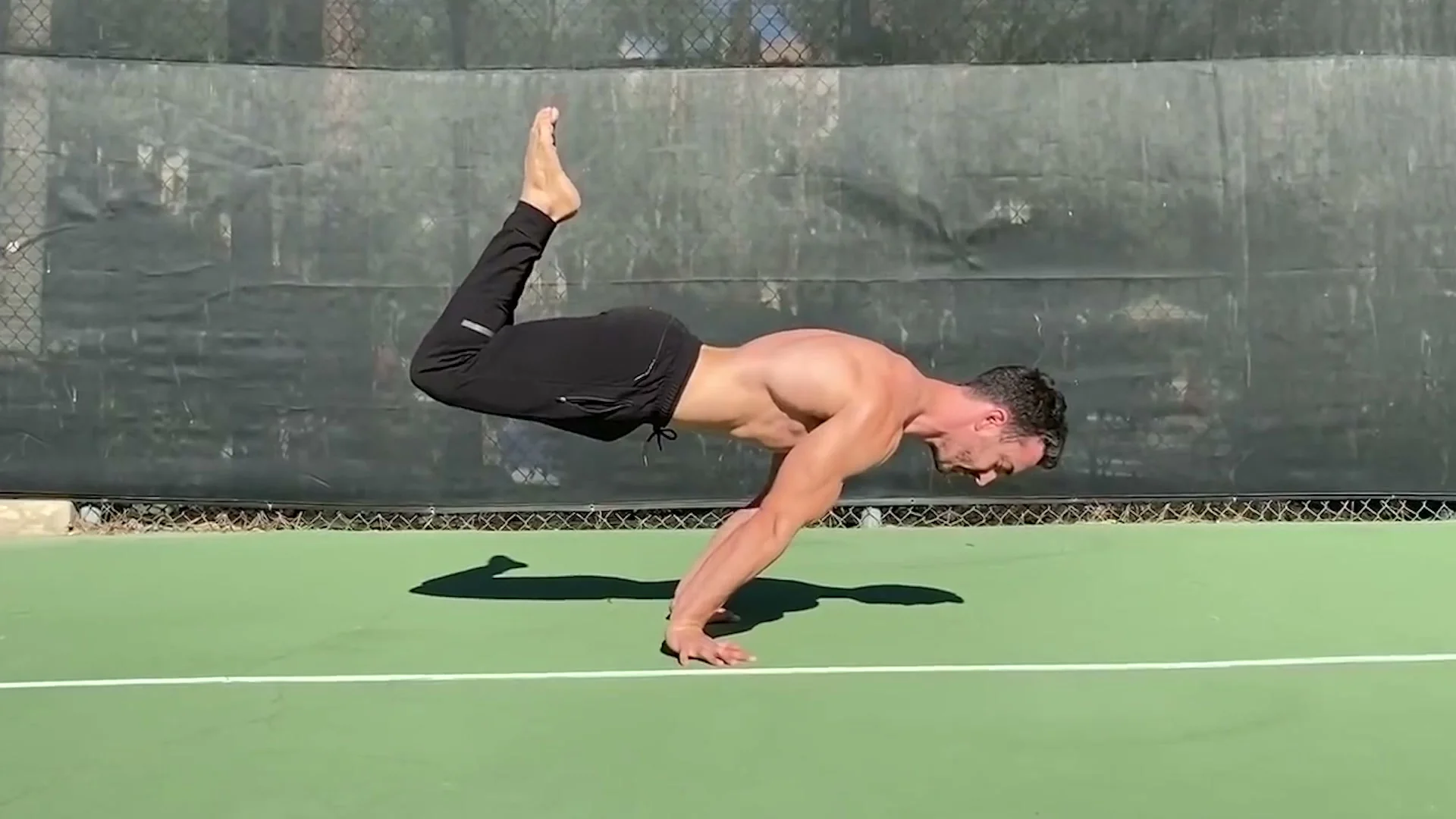
| Half lay planche | Risky | Hard to hold correctly, often trained with poor form |
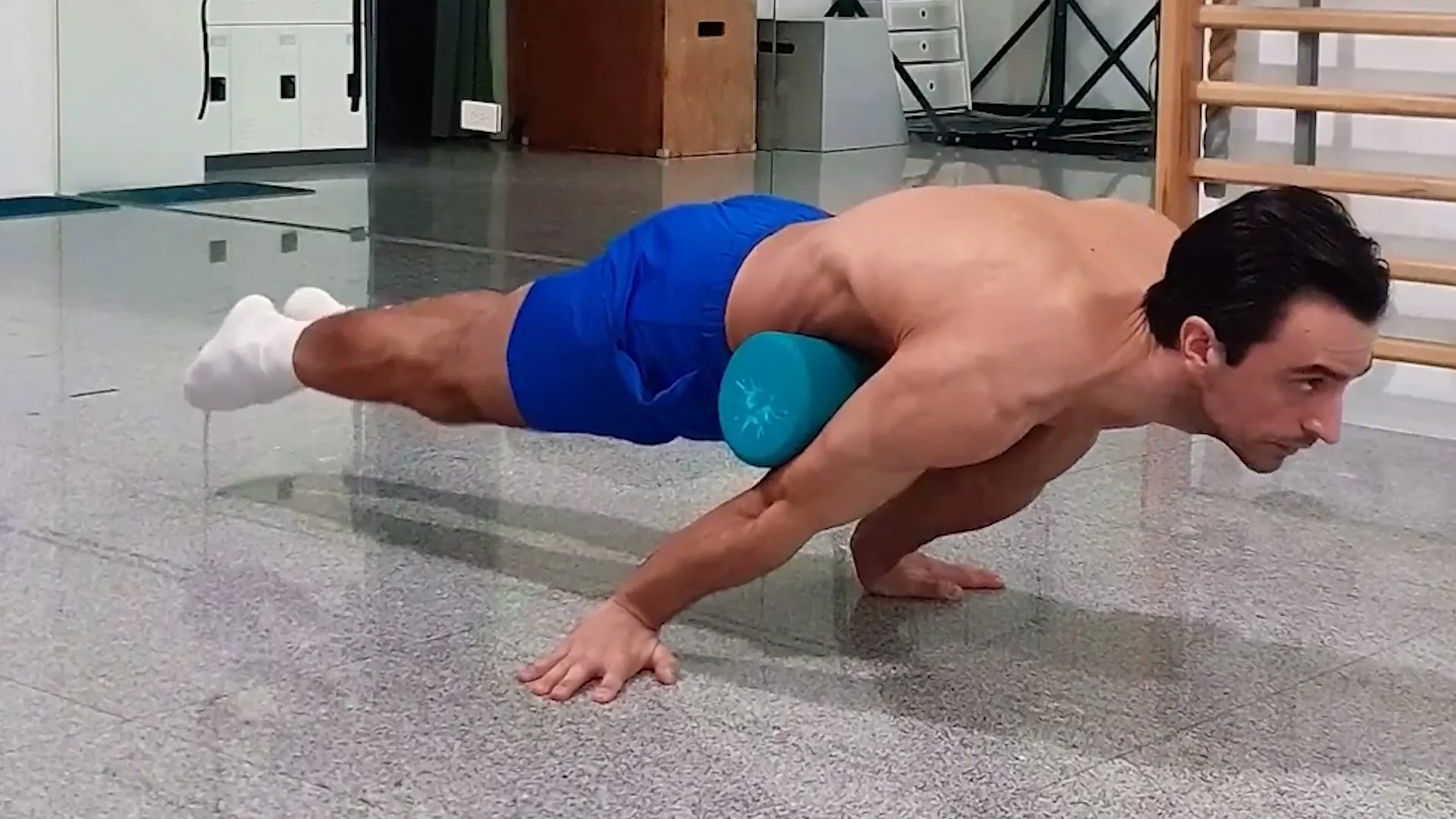
| Full planche assisted with roller | Skip | No real strength requirement, mostly a wrist injury risk |
Prerequisites
Before you spend time on any exercise in this tier list, you need a baseline of pushing strength and shoulder control.
- Comfortable holding a tuck planche for 10 to 15 seconds with good protraction before moving to advanced tuck planche
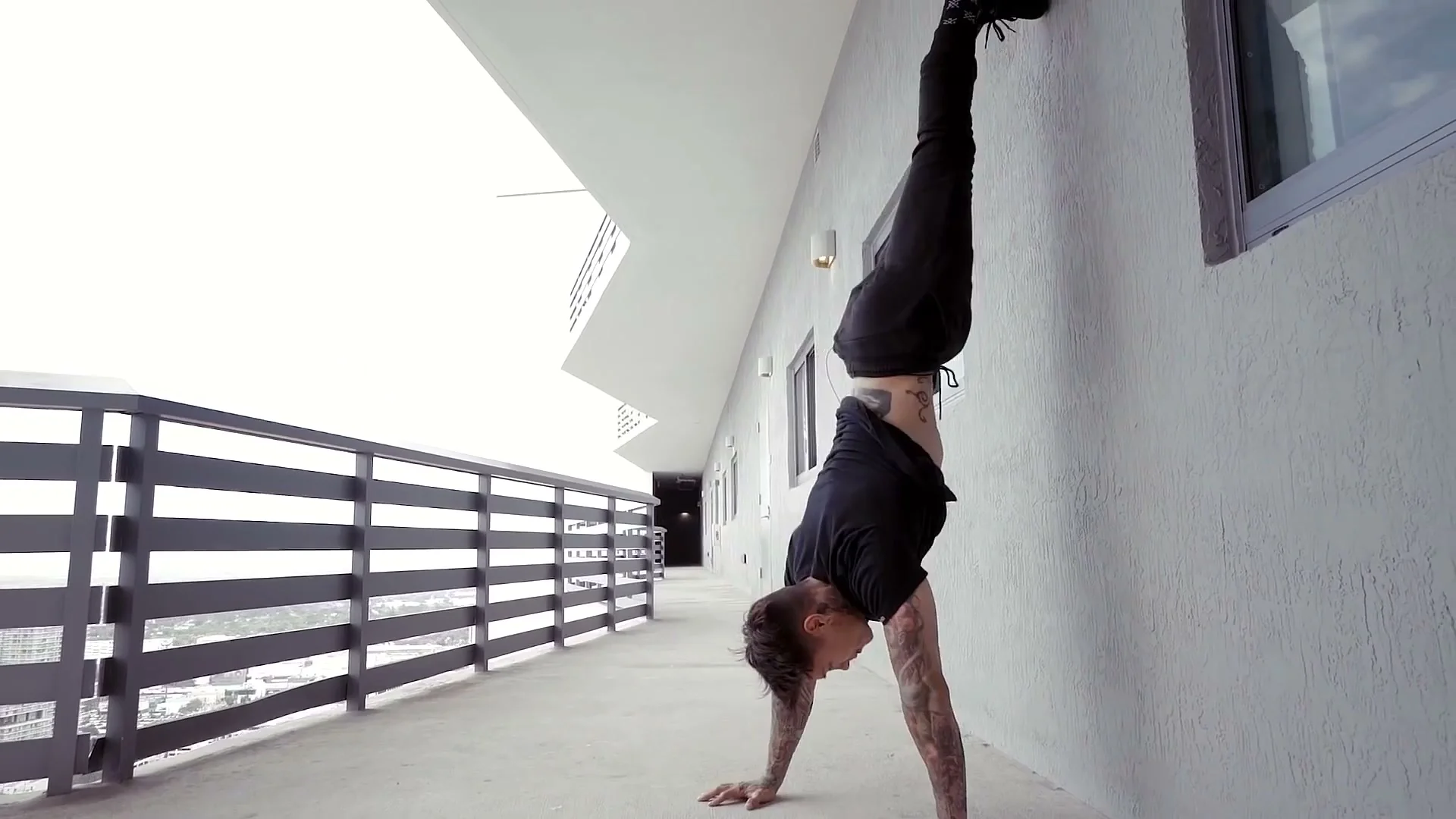
- Ability to do a handstand, even against a wall, to build the shoulder extension the planche needs
- Basic pushing volume from regular push-ups, useful for beginners and as activation before a planche session
- Enough wrist tolerance to support your full bodyweight through the hands, since several of these exercises load the wrists hard
Technique: Key Form Cues for Planche Training
Key Takeaway
Most of the technique work for the planche happens in the lean, not in the hold itself. Extend your shoulders forward, turn your biceps to face forward, and keep your grip with your thumbs pointing forward. Get this position right before you add reps, presses, or holds on top of it.
The planche lean is where most of the technique work happens, and I use it as my own activation exercise before other planche training. Extend your shoulders forward, turn your biceps to face forward, and keep your grip with your thumbs pointing forward. Focus on protraction the whole time, and keep your hips down rather than piking them up.
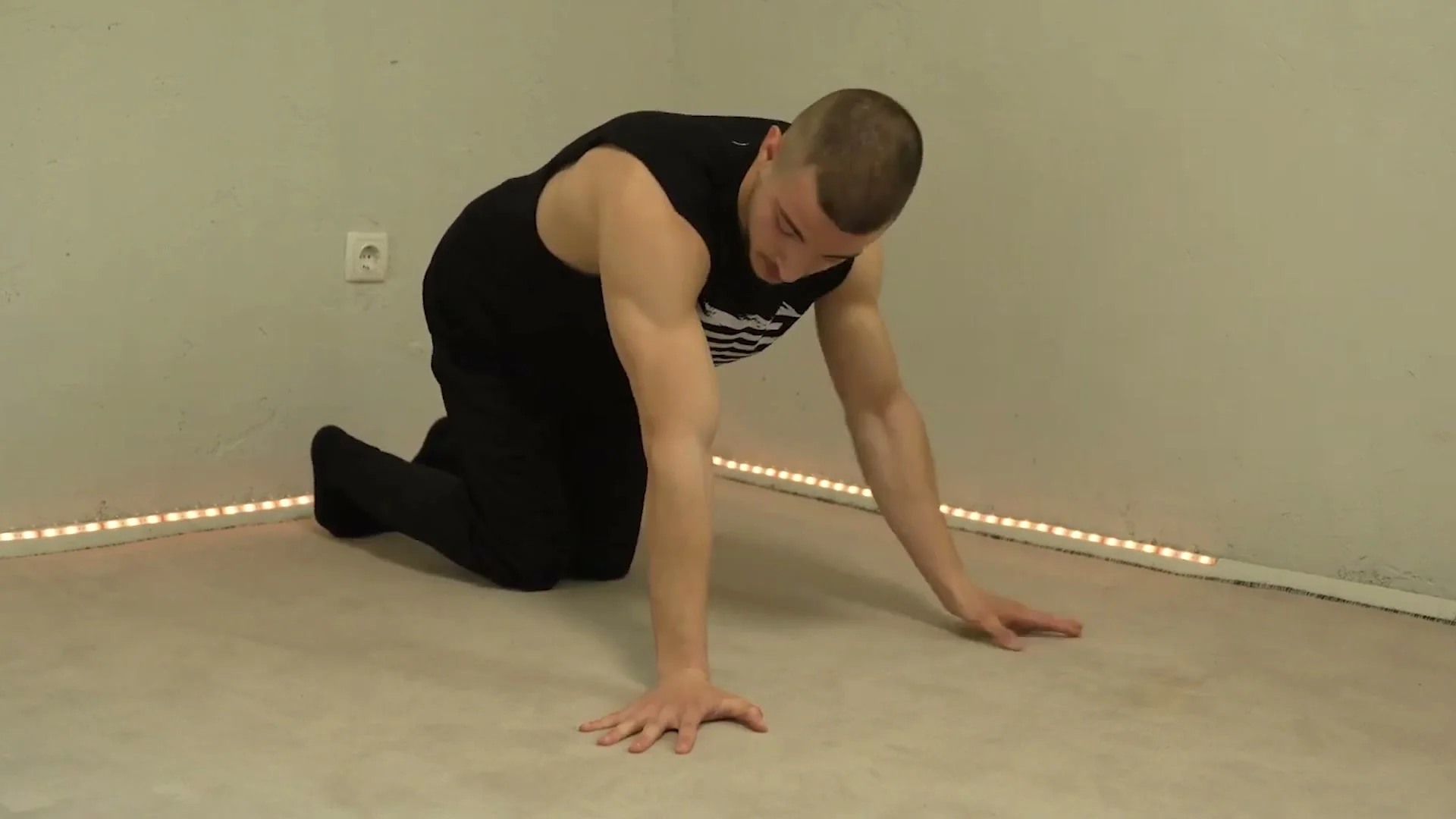
The same cues carry into the planche box press, where you also need to hold a clean, straight body line as you move through the press. If your form breaks down under load, that is a sign to drop back to an easier variation rather than force the rep.
Progression: From Push-Ups to Full Planche
Stage 1: Push-Ups and Wall Handstand
Regular push-ups are not part of my own routine anymore, but I still recommend them to total beginners and as an activation exercise before training. Pair them with a wall handstand if you cannot yet hold a freestanding one, pushing hard through the ground to learn shoulder extension.
Stage 2: Planche Lean
The planche lean is the first real step after push-ups. It teaches protraction, forward bicep rotation, and the thumbs forward grip you will use in every planche variation after this one.
Stage 3: Tuck Planche
Hold the tuck planche for 10 to 15 seconds with good protraction before you move on. This is where most beginners either build a real base or rush past it and stall out later.
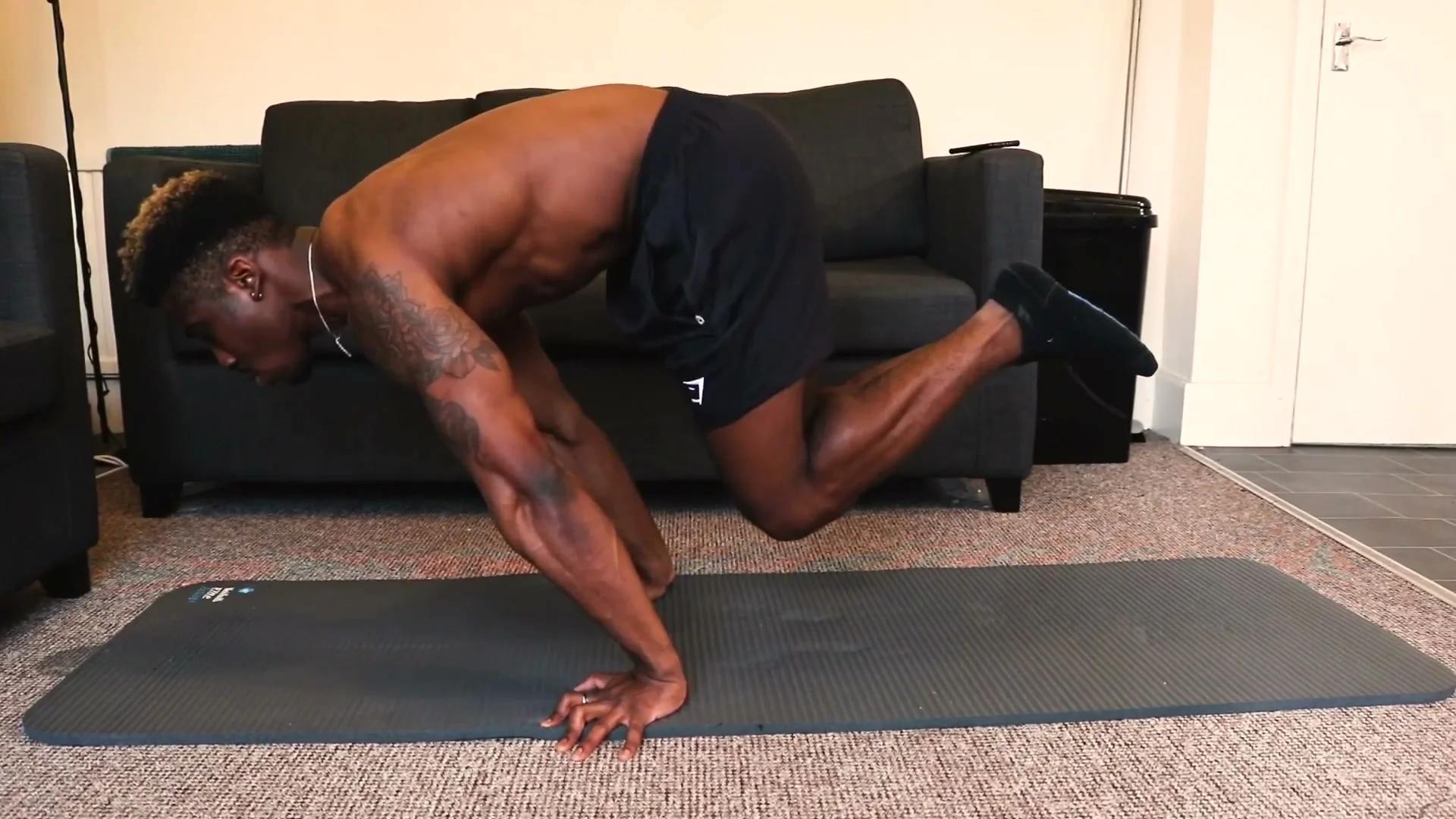
Stage 4: Advanced Tuck Planche
Advanced tuck planche is the second level after the lean and the tuck. The main risk here is losing protraction as you open the hips, so keep your shoulders extended and your biceps facing forward the whole time.
Stage 5: One Leg or Straddle Planche
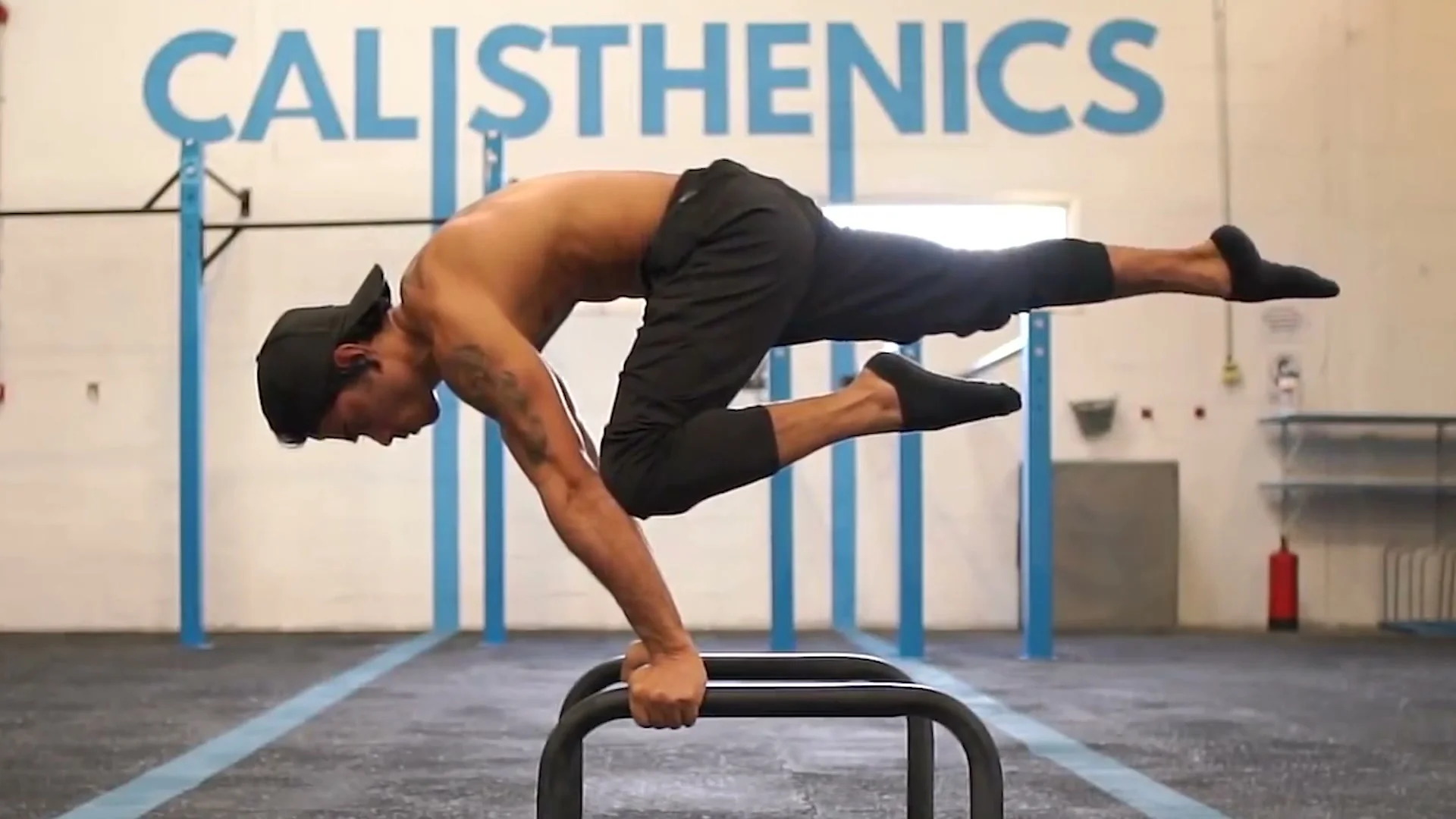
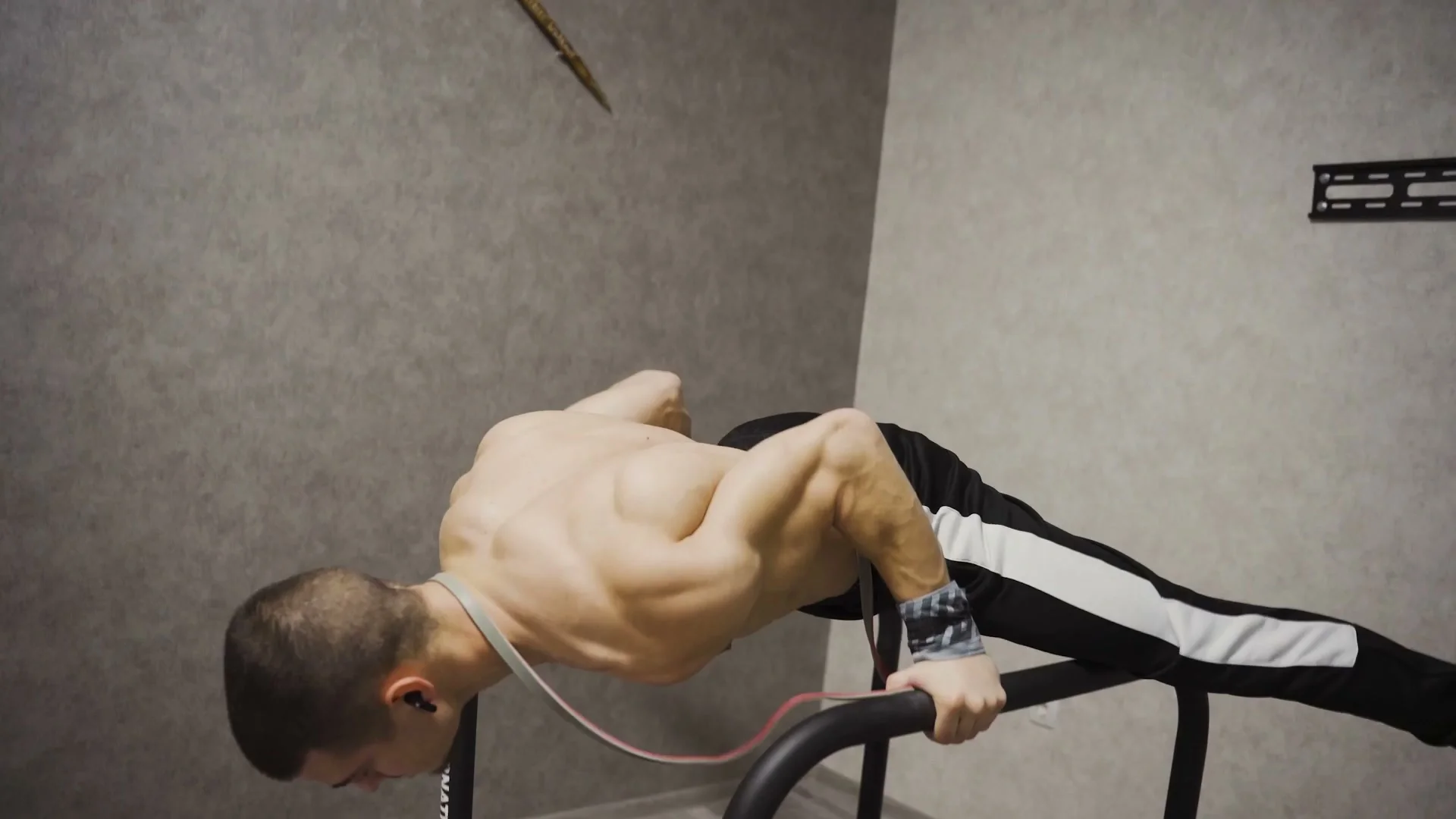
One leg full planche is only for intermediate to advanced athletes, but it feels almost identical to a full straddle planche. It is a strong stepping stone before you attempt the straight body version, and resistance bands are useful here to add extra volume in holds, presses, and reps before you try the movement unassisted.
Working through these stages in the right order, and knowing when you are actually ready to move up one, is exactly what I help people with inside my online coaching.
Common Mistakes
Mistake: Losing Protraction Under Load
The most common breakdown I see is losing protraction as an exercise gets harder, whether that is moving from tuck to advanced tuck planche or attempting a half lay planche. If your shoulders stop rounding forward, you are no longer training the position that matters.
Mistake: Using Assistance That Removes the Strength Component
Full planche assisted with a roller looks like planche training, but there is almost no strength requirement in it. I have tested it myself with training partners, and the main outcome is wrist strain. It is fine for a photo, not for building strength.
Mistake: Training High Risk Variations Too Early
Half lay planche is hard to do with correct form, and I see it done wrong often, lean and hips too far up or down, protraction lost, extra stress on the wrists. If you are not confident you can hold the correct position, switch to an easier variation instead of forcing it.
Mistake: Sticking With Exercises That Do Not Carry Over
Frog stand with support on the knees or elbows drifts toward a bent elbow handstand with zero protraction. Elbow plank has the same problem, it is fine for a total beginner but teaches no protraction. Both are easy to replace with the planche lean or tuck planche.
Training Tips
Rank your own training the same way I ranked this list. If an exercise is not building your shoulder extension, your protraction, or your ability to hold a straight body line, it belongs near the bottom of your routine, no matter how it looks on camera.
Use the top tier exercises as your foundation. Dumbbell raises and the planche lean can both be trained year round, at any level, so build your sessions around them rather than treating them as a phase you move past.
Save resistance bands for volume, not for skipping stages. Use them to add seconds to a hold or reps to a press once you have hit your limit unassisted, then keep testing yourself without the bands so you know your real progress.
Do not chase exercises for how they look. Roller assisted planche and frog stand both look impressive in a photo, but neither builds the strength or protraction a real planche needs. Time spent there is time not spent on the exercises that actually move you forward.
Frequently Asked Questions About the Planche
What is the best exercise for building planche strength?
Based on how I train, dumbbell raises and the planche lean are the two exercises I rate highest. Dumbbell raises work at every level, from beginner to advanced, and build the shoulder and bicep strength the planche needs. The planche lean teaches the protraction and body positioning you will use in every other variation.
Should I use resistance bands for planche training?
Yes. I use resistance bands myself to add volume, more seconds in a hold or more reps in a press, once an unassisted variation gets too hard to progress on its own. Once you build enough strength, you drop the bands and try the movement unassisted.
Is the half lay planche a good exercise for beginners?
No. It is difficult to hold with correct form, and I regularly see it trained with the protraction lost and the hips out of position. If you are not confident in your technique, use an easier variation instead.
Is a handstand necessary for the planche?
A handstand is not a planche exercise on its own, since it is a separate skill, but it is still useful for planche training because it teaches shoulder extension. If you cannot do a freestanding handstand yet, train it against a wall.
How long should I hold a tuck planche before progressing?
I recommend holding a tuck planche for 10 to 15 seconds with good protraction before you move on to advanced tuck planche. Rushing that step is where a lot of people lose the form they need later.
Daniel Hristov is a four-time calisthenics world champion and coach. He shares the exact methods he uses to train his own athletes.
More about Daniel →