Everyone wants a planche, but almost nobody trains the right exercises to get one. I have spent years working through planche progressions myself and coaching others through the same path, and I keep seeing the same mistakes: skipping the hard middle stages and hoping raw effort fills the gap. In this tutorial I rank the planche exercises and progressions that actually carry over to a real planche, from the ones I consider essential to the ones you can mostly skip. By the end you will know how to start training it in the right order.
Watch the Full Tutorial
What Is the Planche
The planche is a straight-body horizontal hold, supported only by your hands, with your feet off the ground and no contact anywhere else. It looks like one static shape, but it is built from a stack of separate skills: protraction, a hollow back, straight arms, and a lean far enough forward to shift your bodyweight over your hands.
Most people treat the planche as one exercise to grind. It is not. It is a collection of progressions, and some of those progressions matter far more than others. In this article I am ranking the planche exercises and progressions I get asked about most, based on how much they actually carry over to a full planche.
Prerequisites
Before you start ranking progressions against each other, you need a body that can hold basic positions under tension. None of the exercises below work if you cannot yet control a hollow body or push with locked elbows.
- A hollow body hold you can control, not just survive
- Straight, locked elbows under load (no bending under bodyweight)
- Some baseline shoulder protraction (rounding the upper back forward)
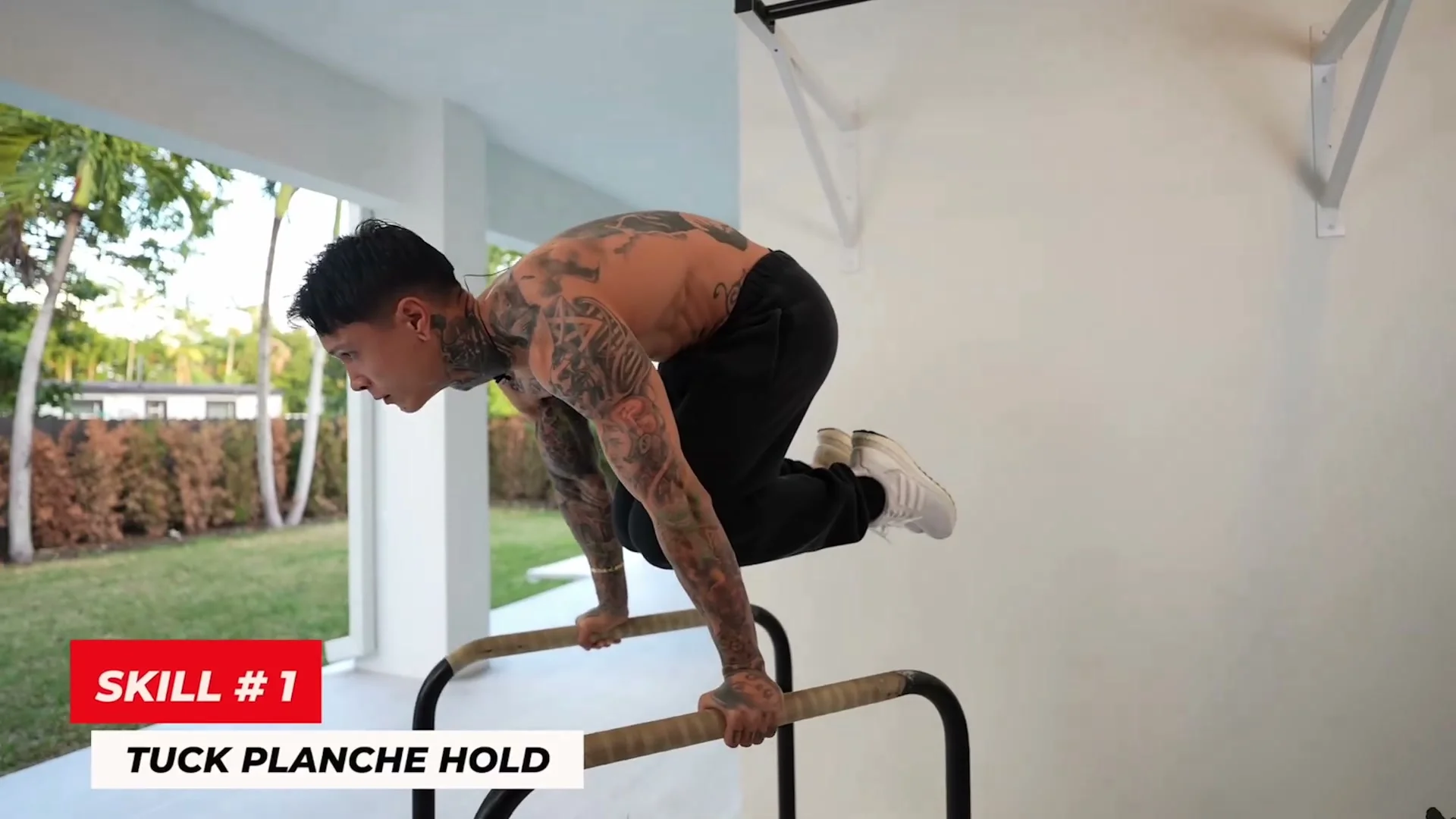
- A tuck planche you can already hold, even briefly, before moving to advanced tuck
That is genuinely the bar. If you have that pushing and holding base, you are ready to start ranking your own training against the list below.
Technique
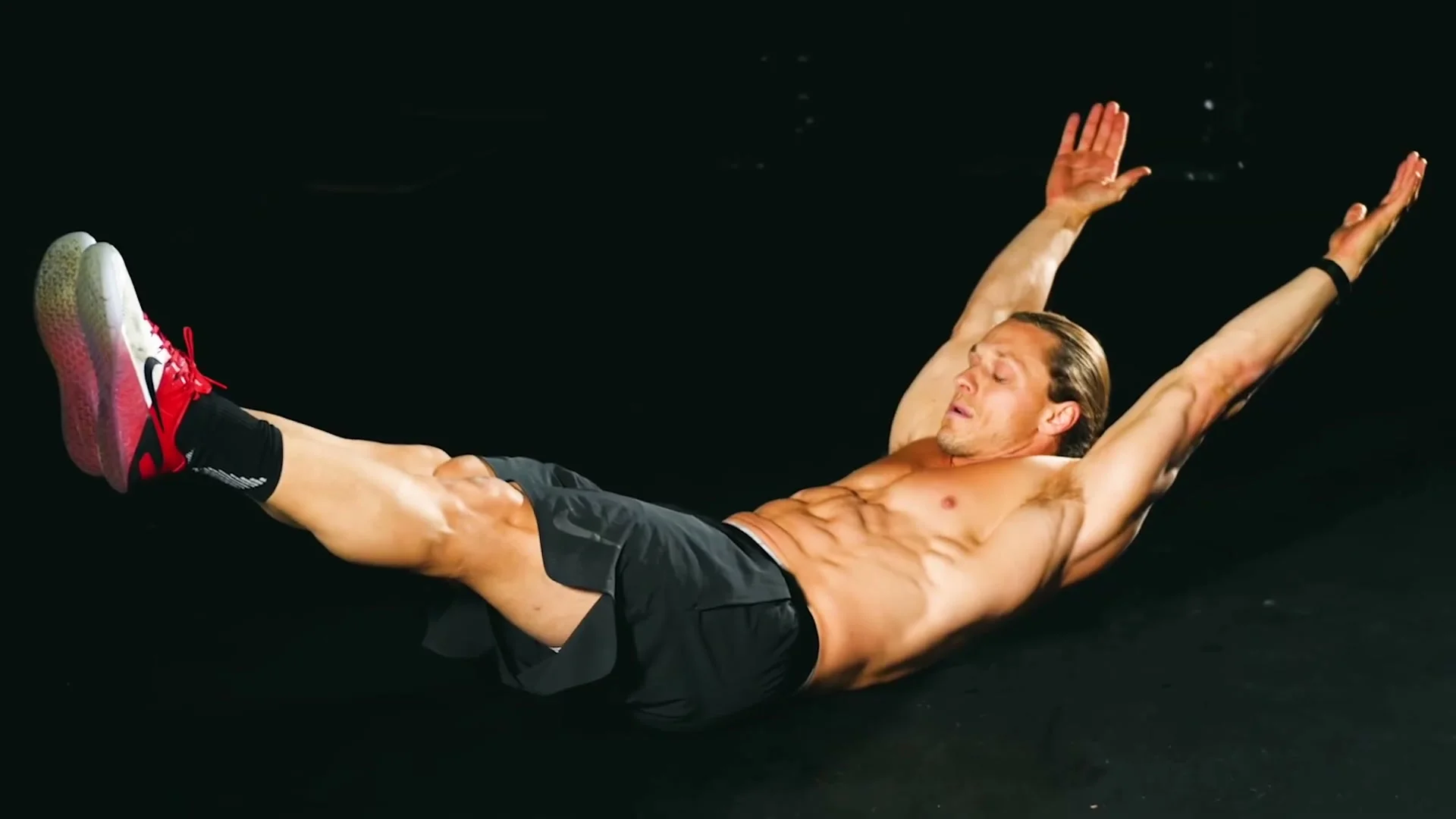
The single biggest technical error I see is a straight spine instead of a hollow back. You can extend your shoulders and think you have proper protraction, but if your back is not hollowed, the position is incomplete. Practice feeling a hollow back on the ground first, then carry that same shape into your planche work.
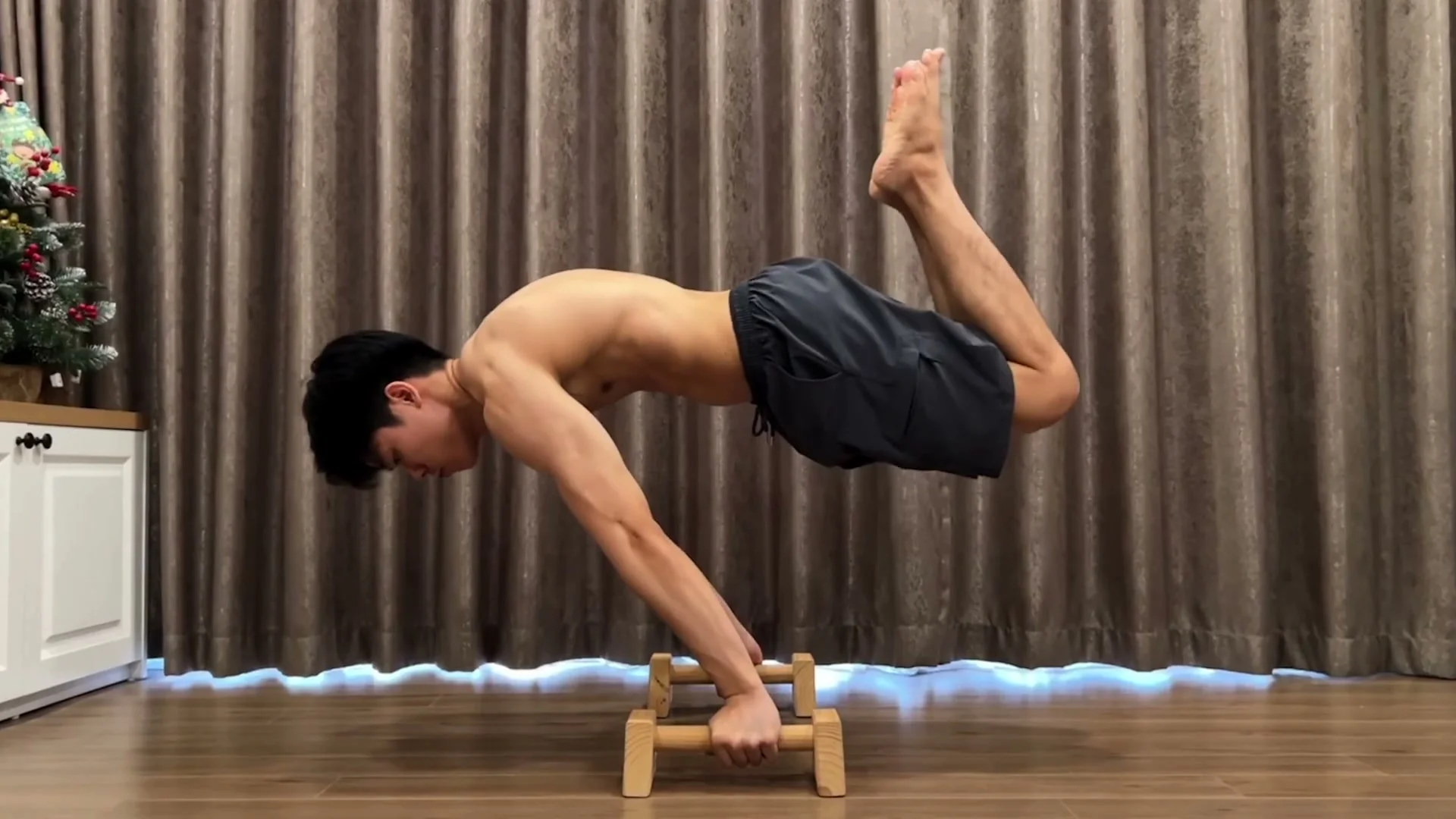
The lean is the second piece almost everyone underestimates. In a tuck planche you barely feel pressure because you are not leaning enough. Advanced tuck planche forces a real lean, and that is exactly why it is such a harsh jump in difficulty from tuck. Keep your biceps facing forward, elbows locked, hips down, knees relaxed, and hold the position for real time under tension, not just a quick touch-and-go.
Progression: From Zero to Planche
Key Takeaway
Advanced tuck planche is the single most important step in this entire progression, and it is where 95% of athletes get stuck. It is the first exercise that forces you to actually lean instead of just holding a shape, so give it more time and attention than anything else on this list.
Stage 1: Hollow Body Hold on the Ground
Not glamorous, and a lot of beginners skip it because they feel strong enough already. Its real value is teaching you the hollow back position on stable ground, before you try to find that same shape while also balancing on your hands.
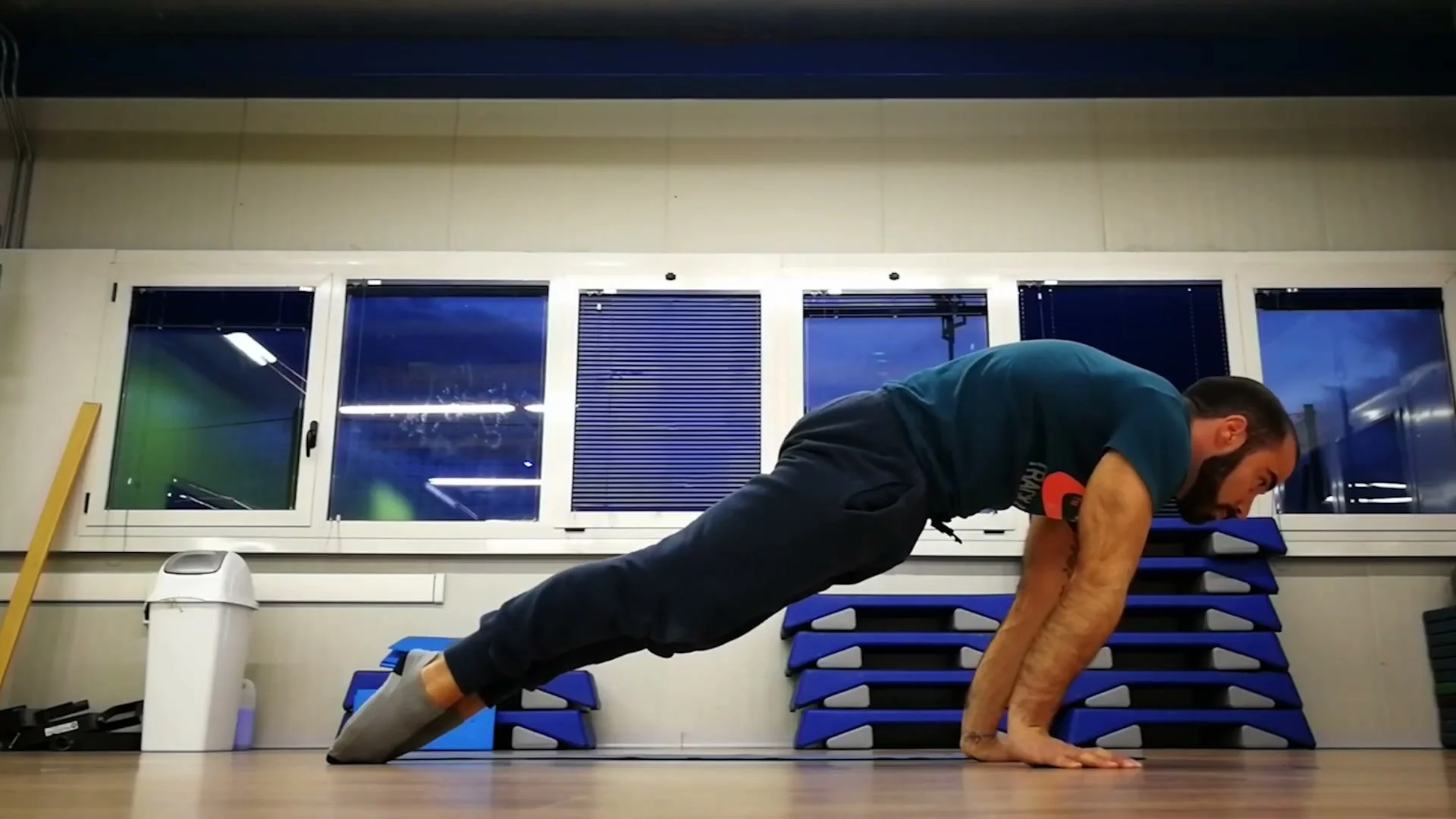
Stage 2: Planche Lean
One of my favorite exercises, and I still use it for warm-ups at a professional level. It activates the body almost exactly like a straddle or full planche, just easier, so you get the feeling and the nervous system activation without the full load. It is also the best tool I use for practicing protraction, core activation, glutes, legs, and full body tension together.
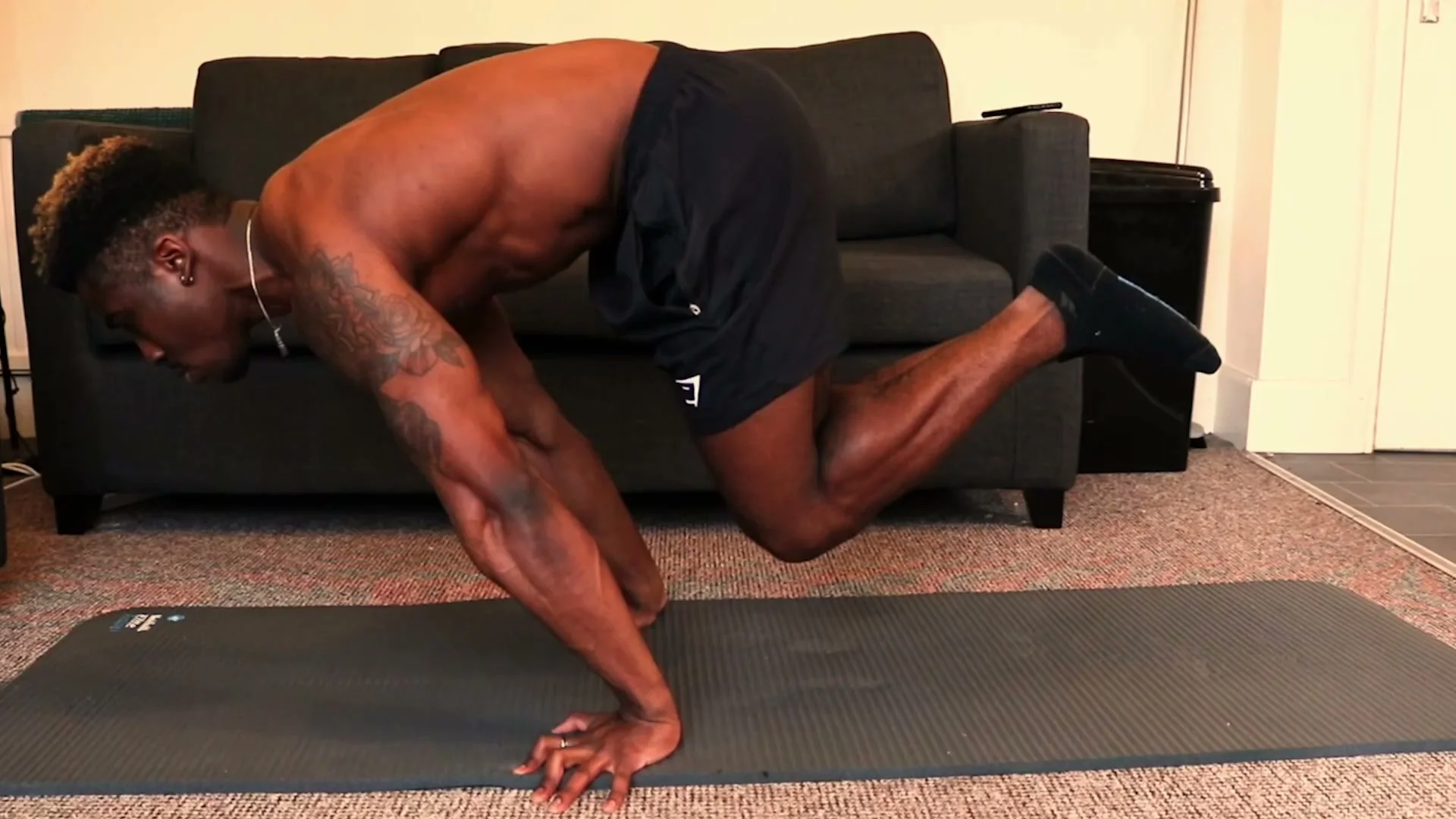
Stage 3: Advanced Tuck Planche
This is where most athletes get stuck, and I mean most. It is the progression that actually teaches you how to lean properly, because a regular tuck planche does not demand enough lean to feel real pressure. Build it to a genuinely stable position, around a 10 second hold, with good protraction, biceps forward, locked elbows, hips down, and relaxed knees, before you push toward straddle planche.
Stage 4: Straddle or Full Planche
The direct continuation of a stable advanced tuck. I am not covering the fine details of this stage here since the transcript this article is based on did not get into it, but everything above is what prepares your body to attempt it.
Common Mistakes
Skipping Advanced Tuck Too Early
Going from tuck straight to straddle without a genuinely stable advanced tuck is the most common reason people plateau. It is one of the most important progressions in the entire planche journey precisely because it is the first place you feel real leaning pressure.
Ignoring the Hollow Back
A straight spine with extended shoulders can look like correct protraction while the hollow back is missing entirely. Train the hollow back separately on the ground until you can feel the difference.
Treating the Handstand as Optional
Even advanced athletes who can do complex planche combos sometimes fail a handstand. It matters for shoulder positioning and control no matter your level, beginner through competitor, and skipping it will show up in your planche work eventually.
Avoiding Conditioning Work
Planche puts real strain on the tendons around your elbows and biceps. Adding light conditioning work for those tendons, rather than jumping straight into heavy static holds, reduces injury risk and lets you adapt faster to harder progressions.
Training Tips
Import resistance band work if you can. Bands will not make you dramatically stronger by themselves, but they teach your nervous system what a skill is supposed to feel like before you can hold it unassisted. A few seconds of a supported hold beats zero seconds of the real thing.
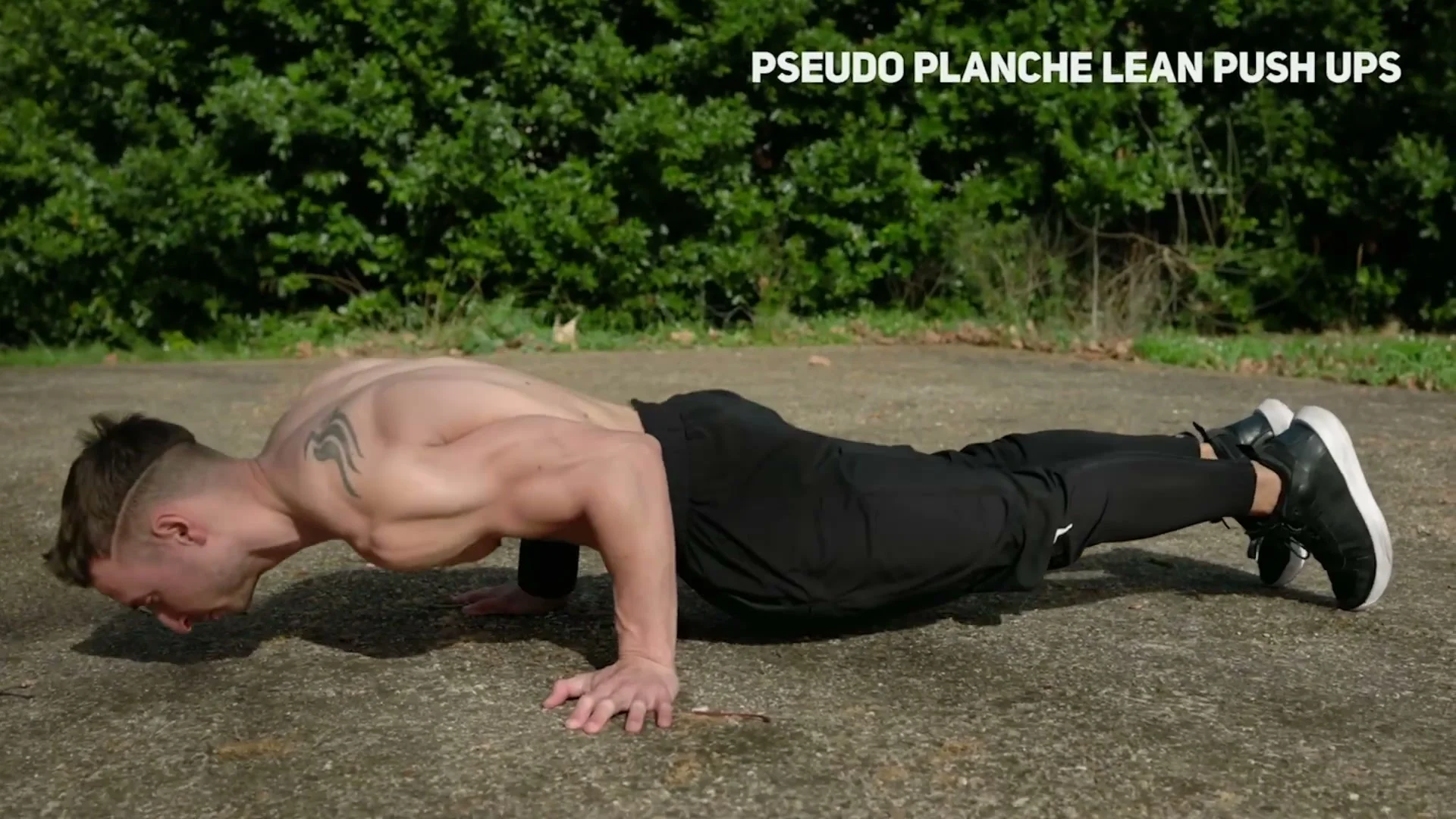
Do not skip pseudo planche lean push-ups. They are one of the most repeated exercises among the athletes I know, and they work at every level: control the difficulty by adjusting how far you lean or how high your feet are, rather than needing a different exercise entirely.
Add dumbbell raises for shoulder strength, not just conditioning. Extend fully at the top of the movement instead of just lifting and lowering, since the extension is what activates the muscles that carry over to your planche.
If you want a structured way through these stages with feedback on your form, that is exactly what I work on with people inside online coaching.
Frequently Asked Questions About the Planche
How long does it take to get a planche?
It depends heavily on your starting strength and how consistently you train the progressions, especially advanced tuck planche, which is where most people spend the longest time. There is no fixed timeline that applies to everyone.
Do I need to train handstands for planche?
Yes. Handstand work builds shoulder positioning and control that carries directly into planche, and even advanced athletes who can perform planche combos can still fail a handstand if they neglect it.
Is bent-elbow planche worth practicing?
It is not one of the main exercises I recommend for building planche strength. It can be useful done as a slow negative if you are between tuck and advanced tuck level, since it teaches part of the trajectory of a planche push-up, but it is not essential.
Why does advanced tuck planche feel so much harder than tuck planche?
Because tuck planche does not require enough lean for you to feel real pressure on your shoulders and wrists. Advanced tuck forces a proper lean, which is why it is such a common sticking point.
Should beginners do hollow back holds with dumbbells?
That exercise is more about tendon conditioning than pure strength. It can help prepare your elbows and biceps for the strain of planche training and may reduce injury risk, especially if you have had tendon pain before.
What is the most beginner-friendly planche exercise?
Planche lean. It is effective for beginners, intermediate athletes, and even professionals as a warm-up, and it is one of the best ways to practice protraction and full body tension without the full demand of a tuck or advanced tuck hold.

Daniel Hristov is a four-time calisthenics world champion and coach. He shares the exact methods he uses to train his own athletes.
More about Daniel →