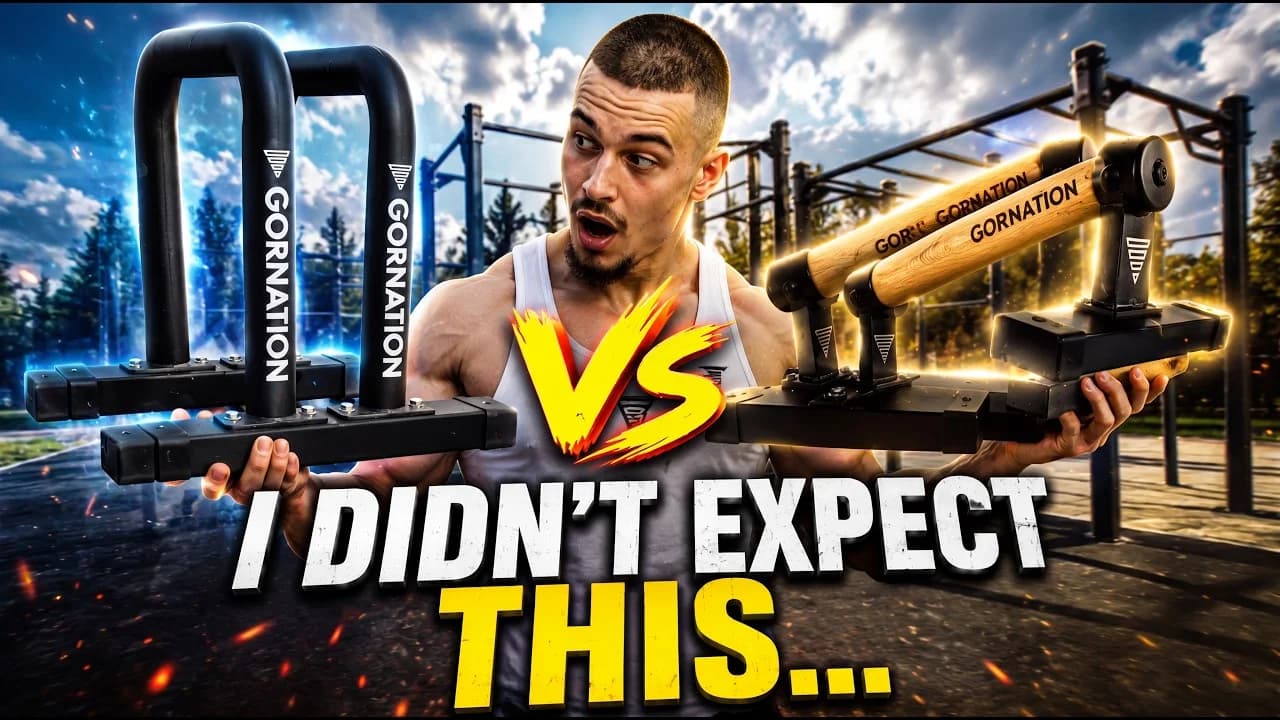
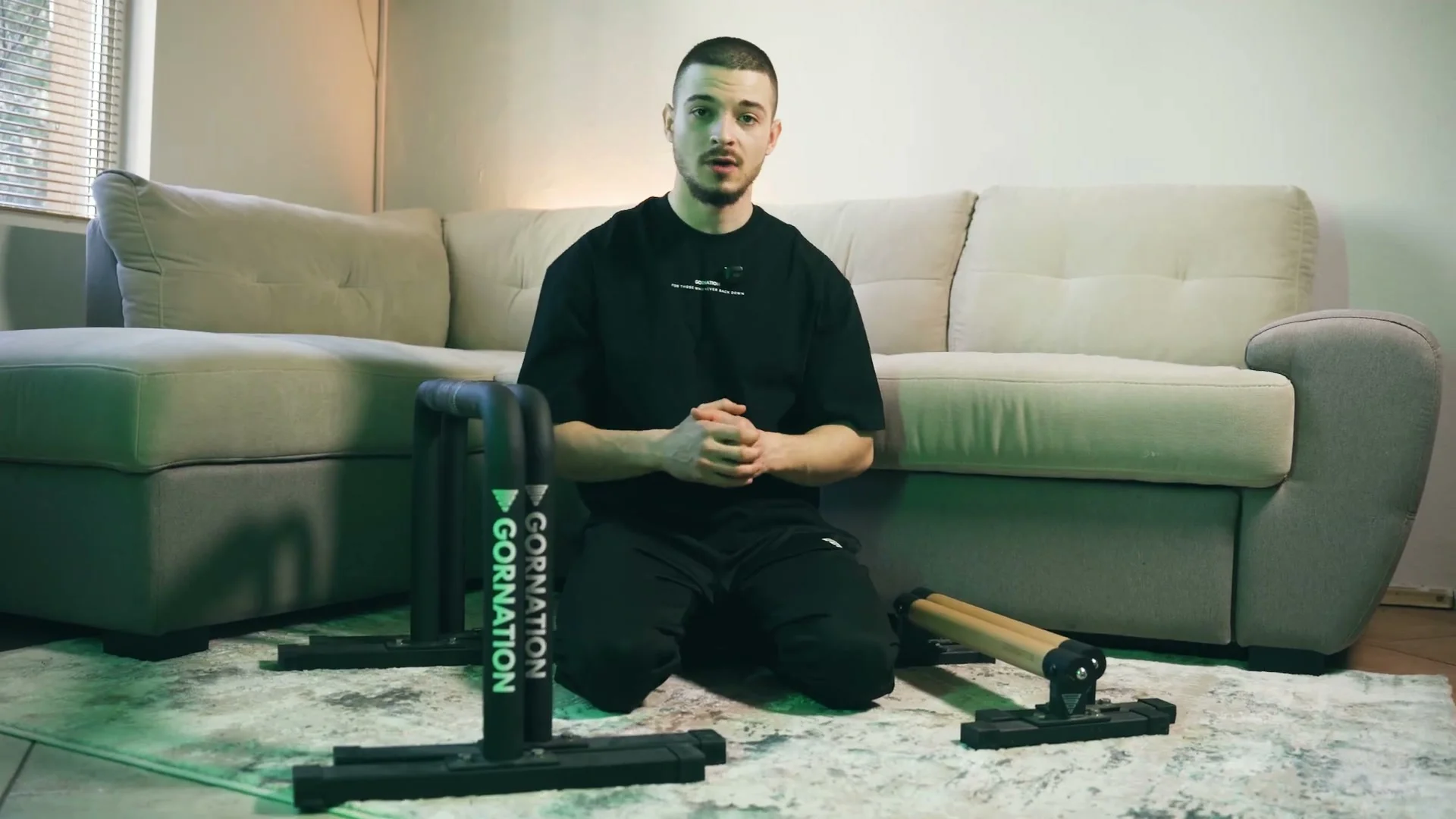
The first time I put my metal parallettes next to my wooden pair, the height gap still surprised me after years of training on both. One set sits ten centimeters off the ground. The other sits forty. That difference alone decides which skills you can actually train on them. I have used both GorNation pairs for years, one built for beginners, one built for advanced planche work, and I finally tested them side by side. In this review I cover height, grip, fear factor, and portability for both sets, so by the end you will know which pair actually fits where you are right now.
Watch the Full Review
Key Takeaway
The single decision that matters most is height. Ten centimeters keeps mistakes cheap while you learn handstand and basic push-ups. Forty centimeters gives you the lean room that advanced tuck planche actually needs. Pick based on where you are right now, not where you want to end up.
The Wooden Parallettes
These are the pair I put in front of anyone starting out. They sit close to the ground, so a missed handstand attempt is never a big deal. I trained on this pair for years before I trusted myself on the taller set, and the low height is exactly why.
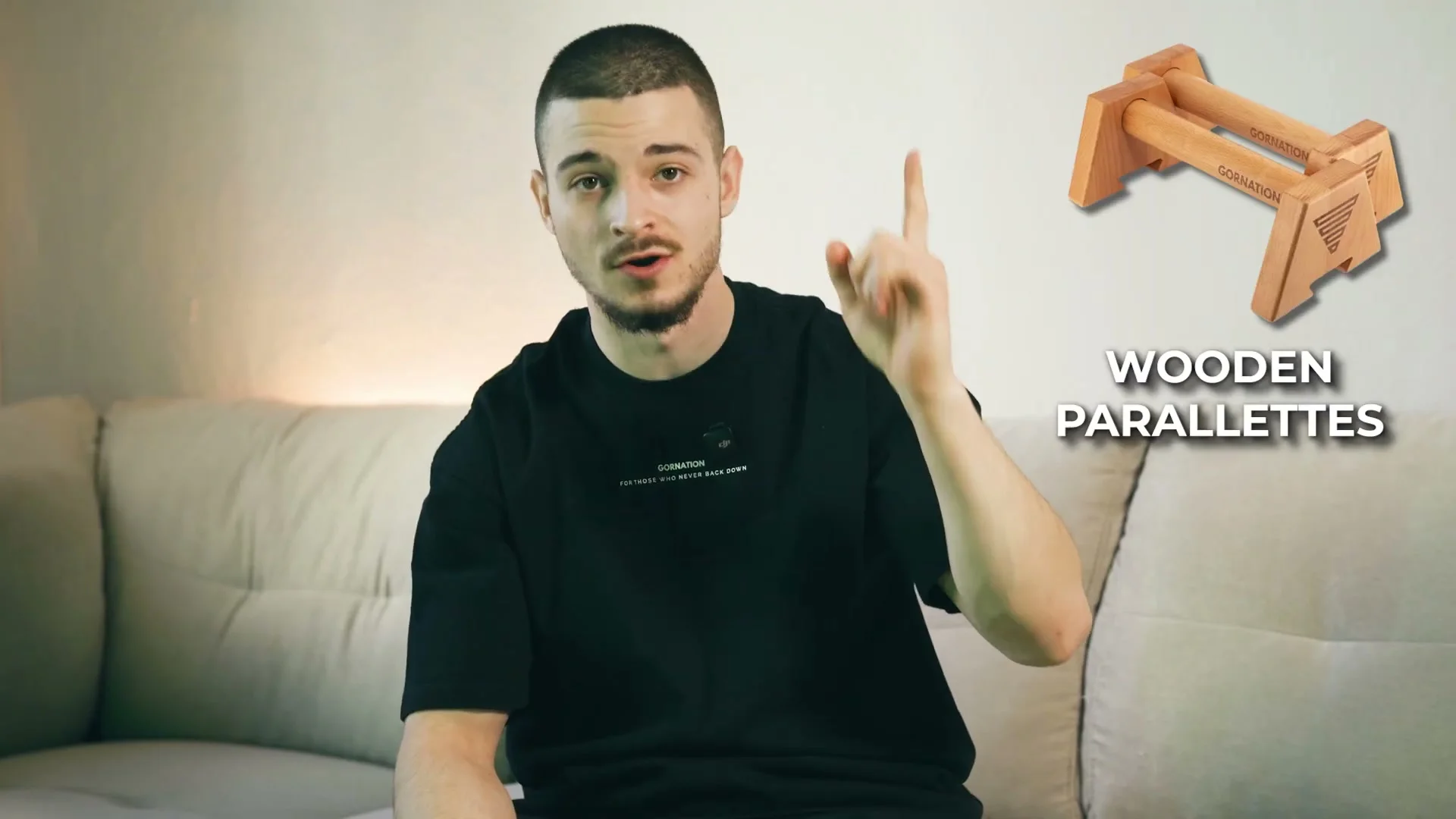
The grip surprised me. Wood feels more premium in the hand than I expected, and the whole thing feels stable the moment you grab it. I have used this pair without any chalk at all and never had a grip problem, though liquid chalk makes it even better.
They are also the pair that lives in my car. Small and light enough to carry to a park, train outside with friends, or throw in a bag for travel. Keep them dry though. Wood combined with metal joints does not handle rain well, and rust can ruin a set.
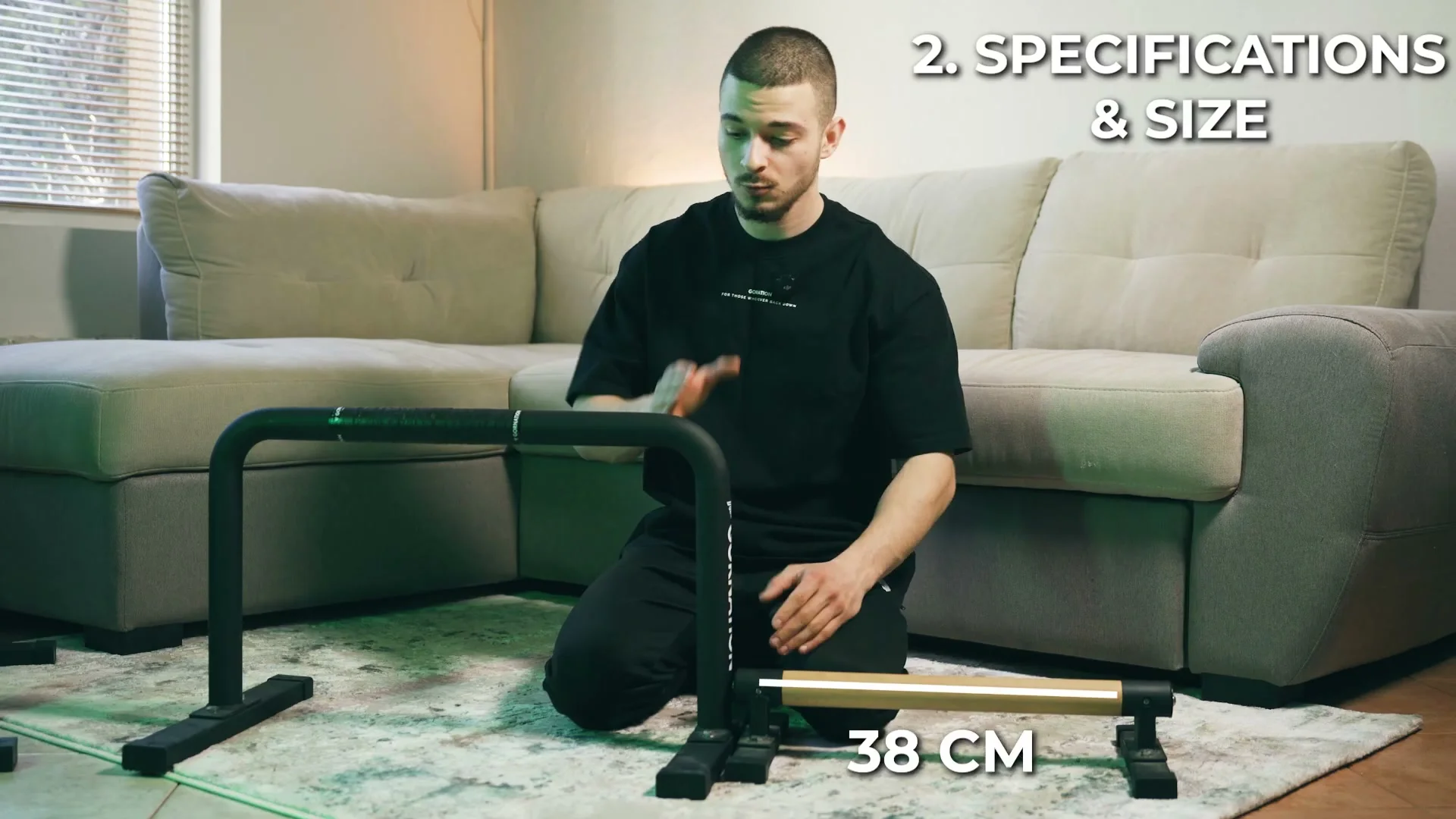
If you have any fear of height at all, this is the pair that removes it from the equation. It sits so close to the ground that a failed rep just means your feet touch down, nothing more.
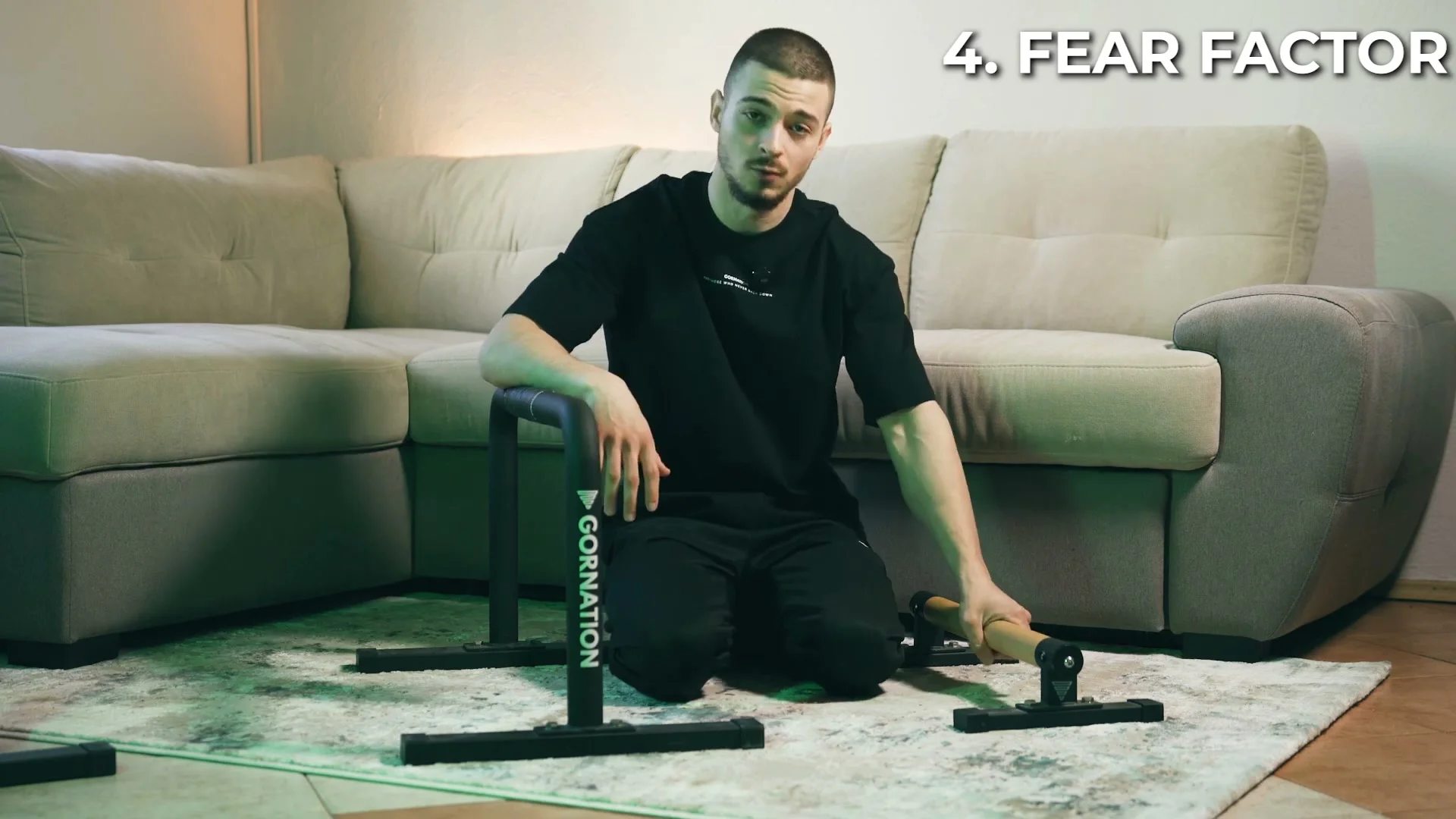
| Spec | Value |
|---|---|
| Height (ground to grip) | 10 cm |
| Grip diameter | 40 mm |
| Length | 38 cm |
| Weight | 3.2 kg |
| Material | Beech wood grips, steel base |
| Price (GorNation) | 59.90 EUR |
Who it is for: beginners, anyone learning handstand, and anyone who wants a light set to train outside or take on the road.
The Metal Parallettes
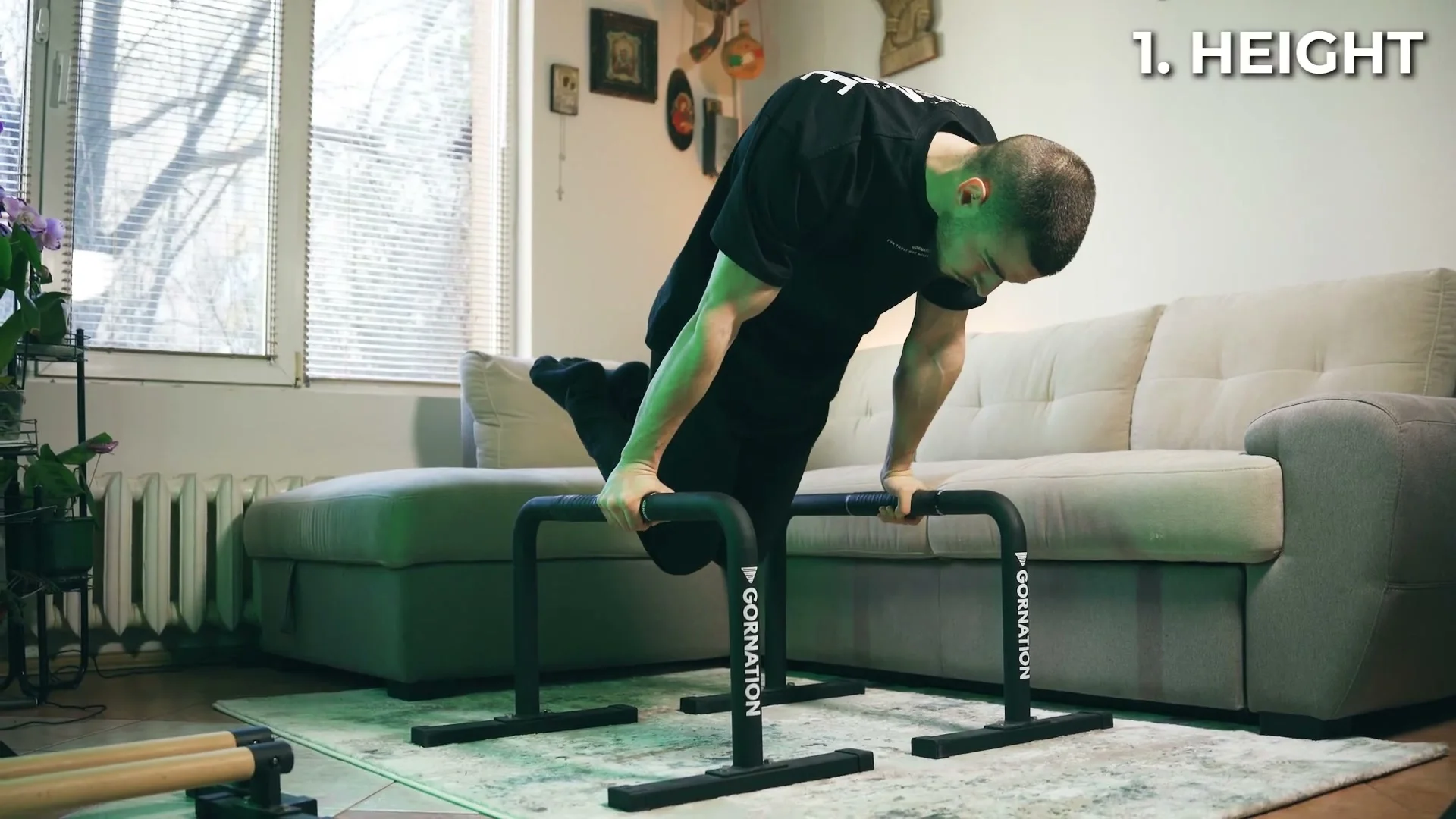
The metal parallettes exist for one reason: height. Forty centimeters off the ground instead of ten changes what you can actually hold in a tuck planche or advanced tuck planche before your knees touch down.
Key Takeaway
More lean before your knees hit the ground means more hold time, and more hold time is what moves you forward in planche training. That extra 30 centimeters is not a gimmick, it is the actual training stimulus this pair is built around.
That extra lean room matters more than it sounds. The same goes for push-up variations. With the metal parallettes I can drop into an advanced tuck push-up with my knees between the bars. On the wooden pair, that is not possible, the ground gets in the way first.
The grip feels bigger and more like a p-bar in my hand. I find it more stable for combinations, which is why I reach for this pair most now that I train more advanced work. I also tape this set and add liquid chalk on top, a combination I like more than either alone.
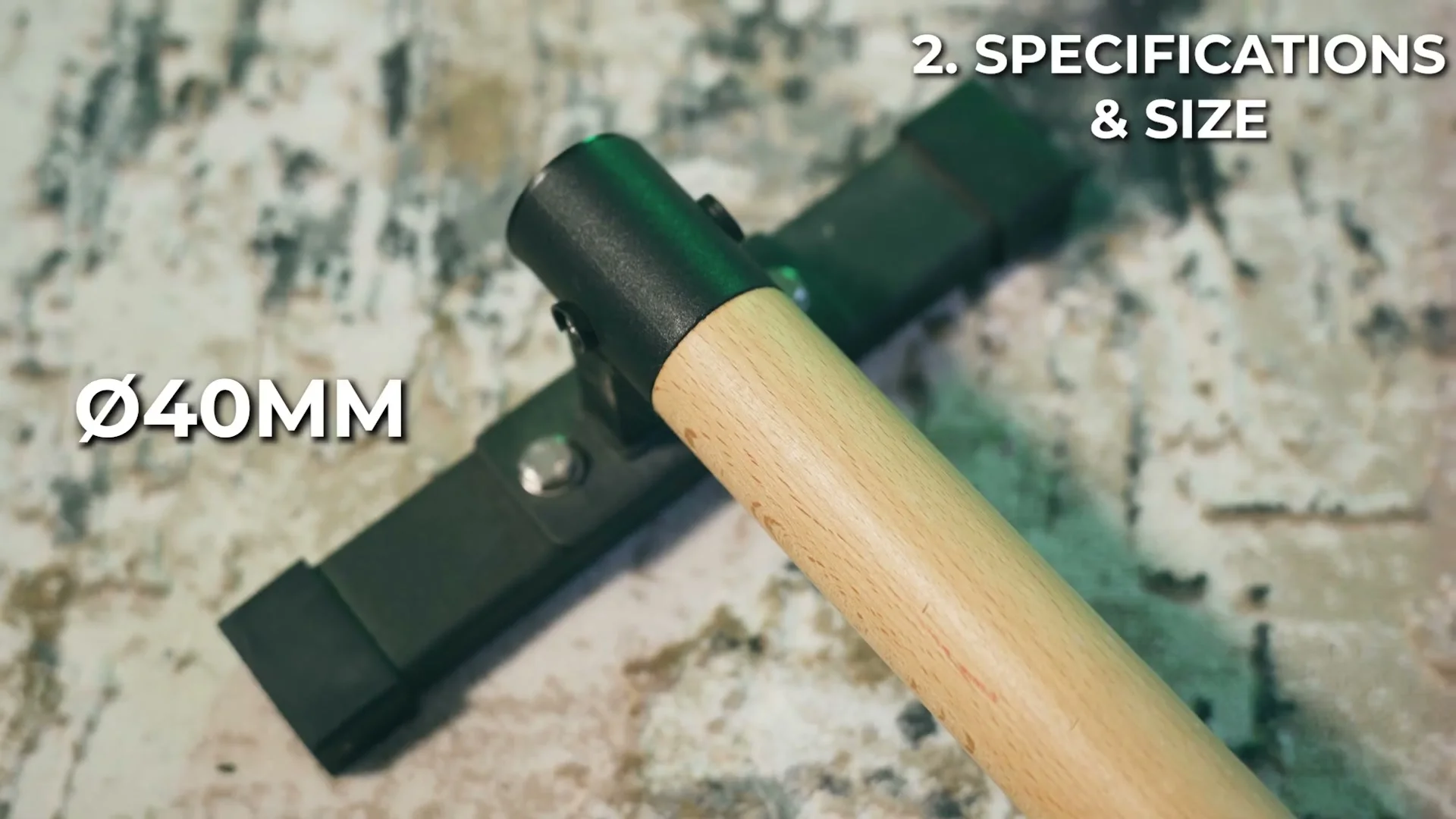
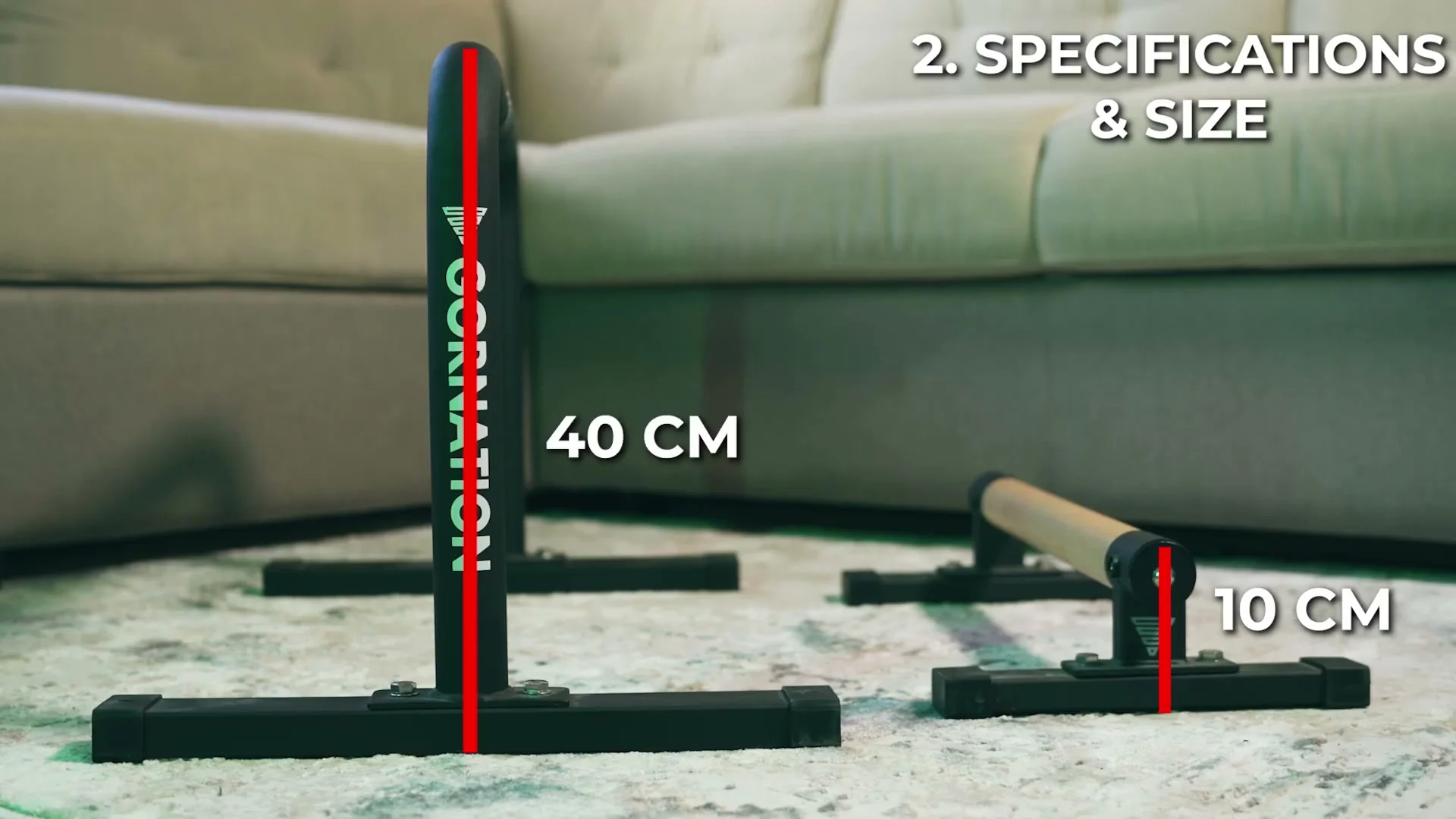
Height cuts both ways though. If you are learning handstand or you feel any fear around height, this is not the pair to start on. A fall from forty centimeters is a different experience than a fall from ten.
| Spec | Value |
|---|---|
| Height (ground to grip) | 40 cm |
| Grip diameter | 40 mm |
| Length | 65 cm |
| Weight | 7.7 kg |
| Material | Powder-coated steel |
| Price (GorNation) | 99.90 EUR |
Who it is for: athletes already comfortable with handstand and tuck planche who want more lean room to progress toward advanced tuck planche and planche push-ups.
Which One Should You Buy
If this is your first pair of parallettes, get the wooden ones. I still say that even after switching most of my own training to the metal set. The low height keeps mistakes cheap while you build the basics: push-ups, planche leans, handstand holds. I bought wood first for the same reason, and it feels genuinely well made, not just functional.
Once handstand stops being scary and you are chasing tuck planche and advanced tuck planche, the metal pair earns its place. The extra height is not a gimmick, it is the difference between your knees hitting the ground at second three or second eight of a hold, and that gap is where the actual progress happens.
You do not have to choose forever. I still keep a wooden pair in my car for outdoor sessions and travel, and I use the metal pair at home for planche work. If you want a plan for actually progressing through tuck planche to advanced tuck planche once you have the right equipment, that is the kind of thing I build with people inside online coaching. You can see both sets here: GorNation parallettes.
Pricing Overview
| Pair | Price (GorNation) | Best for |
|---|---|---|
| Wooden parallettes | 59.90 EUR | Beginners, handstand practice, travel |
| Metal parallettes | 99.90 EUR | Tuck planche, advanced tuck planche, planche push-ups |
Both come with a 10 percent discount through my code Kristof at checkout. If you can only afford one right now, buy based on your current level, not your goal. The wooden pair is the right first purchase for almost everyone.
Frequently Asked Questions About Parallettes
What height should my parallettes be?
It depends on your level. Low parallettes, around 10 cm, are safer for beginners and better for handstand practice. Taller parallettes, around 40 cm, give advanced athletes more lean room for tuck planche and planche push-up variations.
Are wooden or metal parallettes better for beginners?
Wooden parallettes are better for beginners. They sit closer to the ground, which lowers the risk and the fear factor while you learn push-ups, planche leans, and handstand.
Do metal parallettes rust?
They can if you leave them out in the rain. Keep any parallettes, wood or metal, dry and stored inside after outdoor sessions.
What grip diameter should parallettes have?
A 40 mm grip diameter works well for most hands and is common across both wooden and metal parallettes. It is thick enough to build grip strength without being uncomfortable.
Do I need chalk to use parallettes?
Not always. I have trained on wooden parallettes without any chalk and never had a grip issue. On metal parallettes I recommend liquid chalk, applied a few times to the bar itself, and tape if you do a lot of combinations.
Can I use parallettes for handstand training?
Yes, and the low wooden pair is the better choice for it. The height stays close to the ground, so if you fall out of a handstand you can catch yourself easily.

Daniel Hristov is a four-time calisthenics world champion and coach. He shares the exact methods he uses to train his own athletes.
More about Daniel →