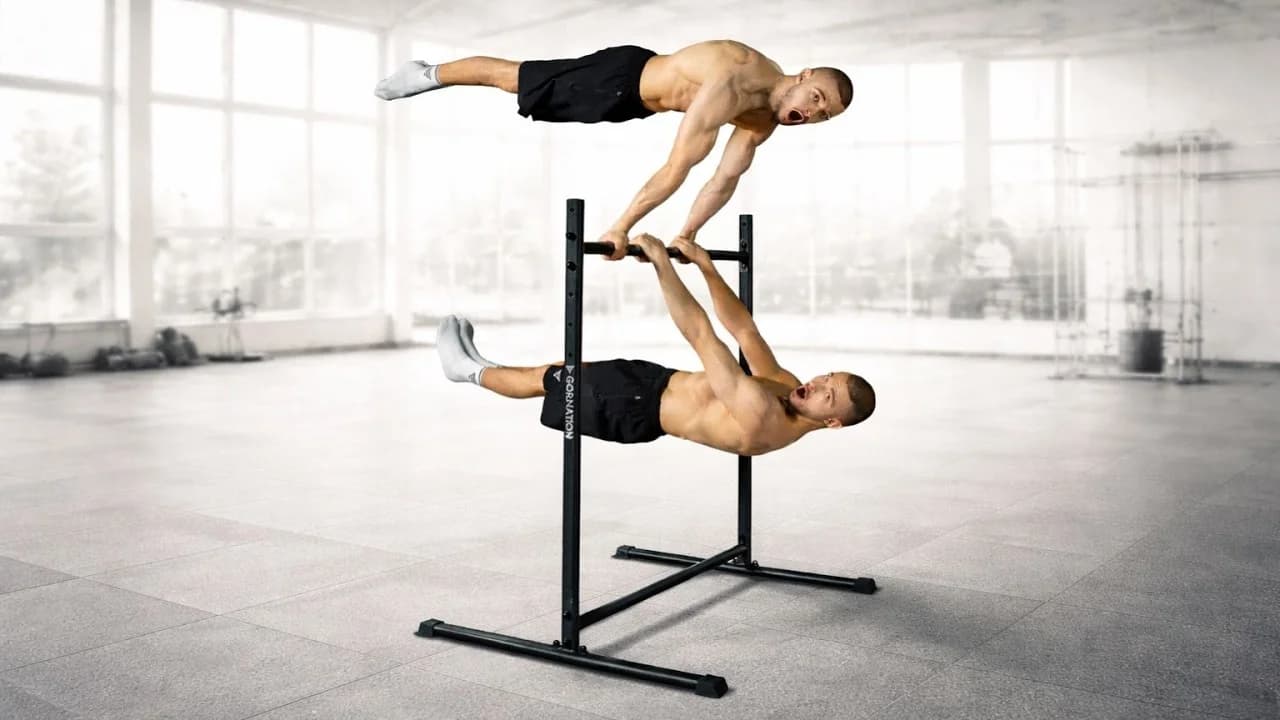
The first time I touched the new Gornation Static Bar 2, before I even started my workout, I could feel it was more stable than the original. Does an extra piece at the bottom actually change how a static bar holds up under real front lever and planche work, or is that just a talking point? Gornation built the original static bar as a home and gym option for calisthenics athletes training statics, and this is the direct upgrade to it. In this review I cover how it goes together, what changed between the two versions, the full specs, and how it performed when I tested front lever, planche, and pull-up to touch on it, including a test with a much heavier training partner. By the end you will know whether it's worth upgrading if you own the first version, or a solid place to start if you don't.
Watch the Full Review
Building the Static Bar 2
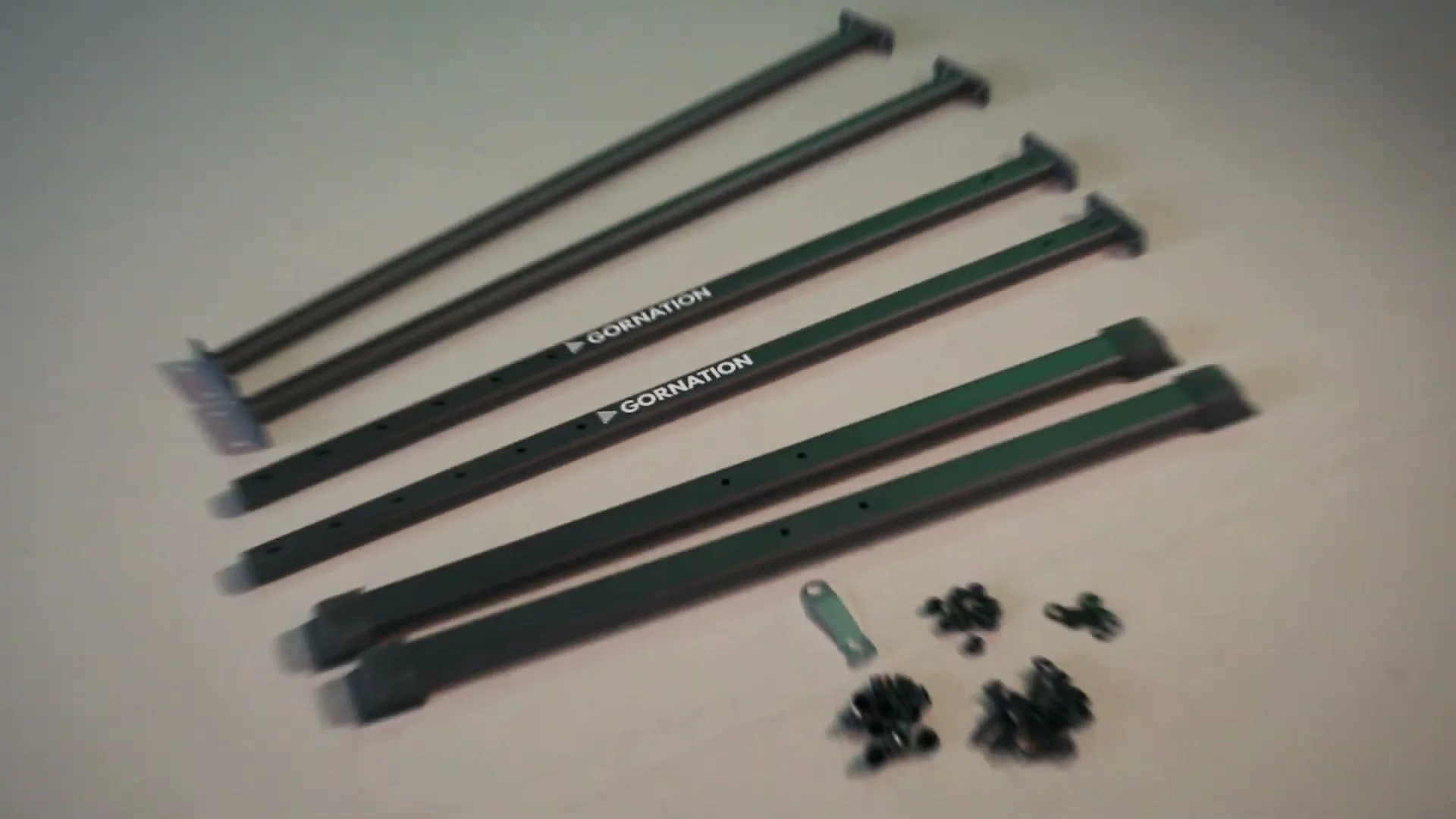
The box comes with the bar, 4 end caps for the feet, 25 meters of grip tape, a screw wrench, a full screw set, and an assembly and maintenance guide. I am genuinely bad at building things, and it still took me under 10 minutes to put it together. For most people I would guess a similar time, maybe a bit less, since Gornation rates it at around 5 minutes for assembly.
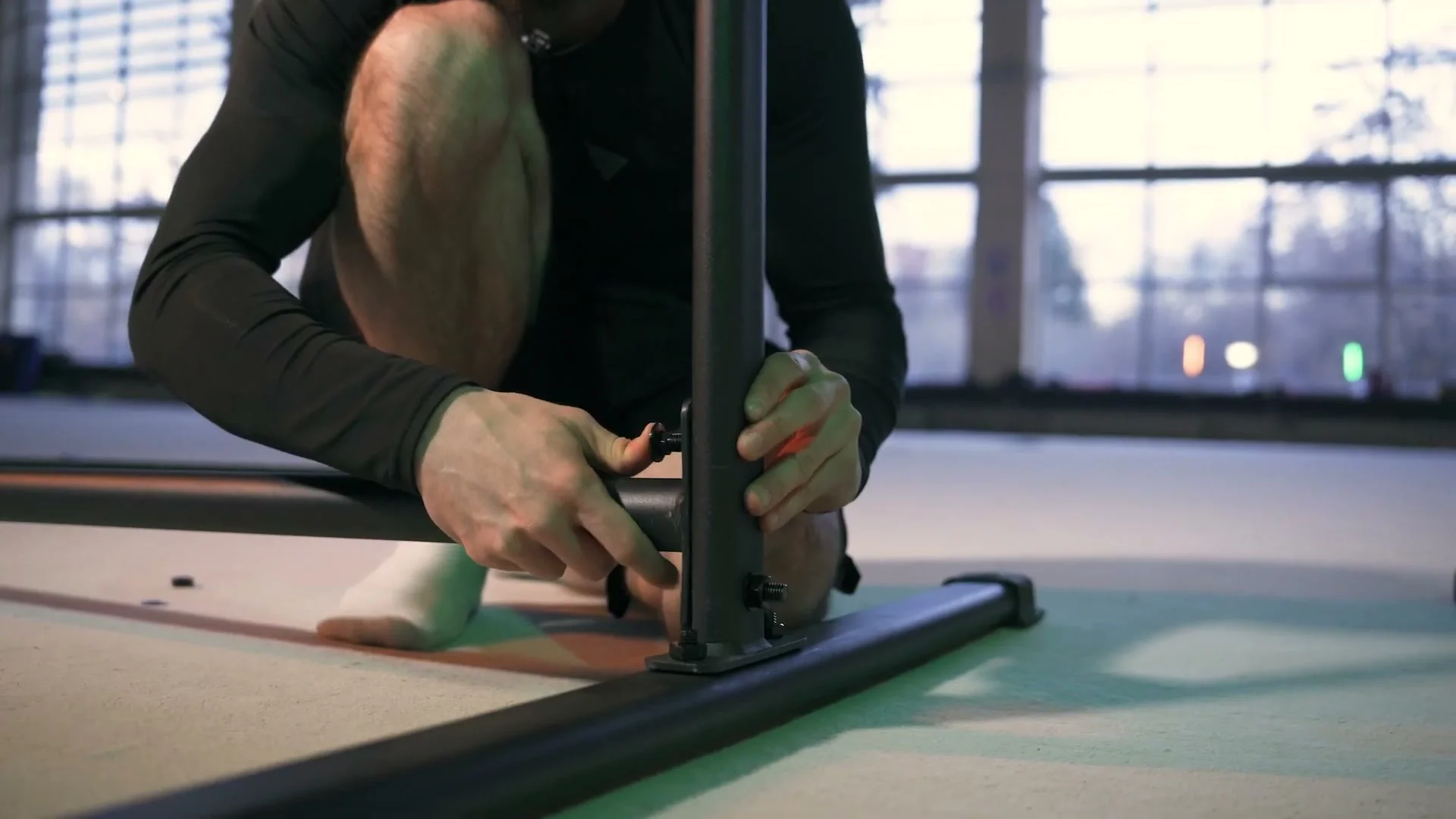
You start with the feet, bolt on the side pieces that hold the bar, then work up: bottom bar first, top bar last, then tighten every bolt and press the end caps on.
One tip before you start: build the bottom section first. If you try to connect the top bar before the bottom one is fully in place, and you're doing this alone, it gets harder to hold everything steady while you bolt it together. Bottom first, then top, and the whole thing goes together without much trouble.
Who it is for: anyone who wants a bar they can set up themselves without needing help or tools beyond what's in the box.
Stability and Specs: What Changed From the First Version
Key Takeaway
The added stabilization piece at the bottom of the frame is the whole story with this version. It is not a cosmetic update, it changes how still the bar feels the moment you pull, press, or hold near the top position. If you train front lever or planche, that stillness is what lets you actually finish a rep instead of fighting the equipment.
I trained on the original Gornation static bar for two years, so I know what it feels like under load. This second version adds a piece at the bottom that gives the whole structure extra stabilization, and it lets you do skills down low as well as up top.
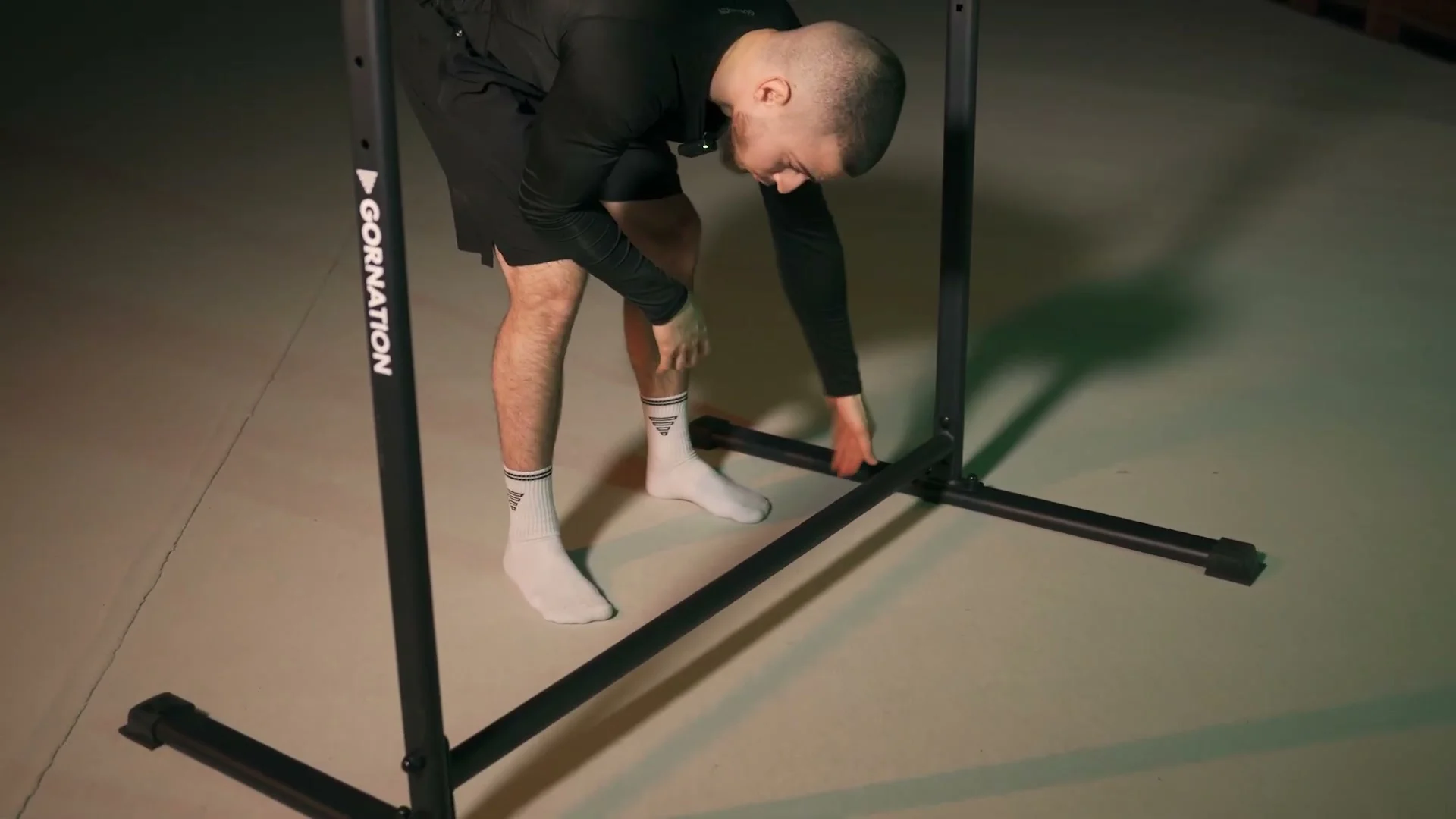
Before I did a single rep, I noticed the difference just by pushing on the bar. The original was good, but for heavier athletes or anyone training explosively it could get a little shaky. This one does not move the same way. The price stayed the same between the two versions, so if you're buying new, this is an upgrade at no extra cost.
Gornation Static Bar 2 Specs
| Spec | Value |
|---|---|
| Price | 149.90 EUR |
| Bar thickness | 38 mm (top and bottom bar) |
| Bar material | Powder coated black steel |
| Height settings | 5 settings, from 85 cm to 115 cm, 7.5 cm apart |
| Recommended height | Second or third setting, roughly 105 to 110 cm |
| Bar length (top and bottom bar) | 116 cm |
| Footprint (feet length on the floor) | 100 cm |
| Weight | 9.5 kg |
| Load capacity | Up to 200 kg |
| Included in box | Bar, 4 end caps, 25 m grip tape, screw wrench, screw set, assembly guide |
| Warranty | 2 years |
The 38 mm thickness is the same on both bars, top and bottom. For statics work that's enough to grip properly without being so thick it fights your hand position. I would call it the minimum you want for front lever and planche, not the maximum.
Who it is for: lifters who already own space-limited setups at home or in a park and need exact measurements before they commit to buying.
Testing Front Lever, Planche, and Pull-Up to Touch
This was my first time on this exact bar, so I ran a short session: front lever pull-ups, pull-up to touch, wide planche, supinated planche, pronated planche, and a straddle planche to finish.
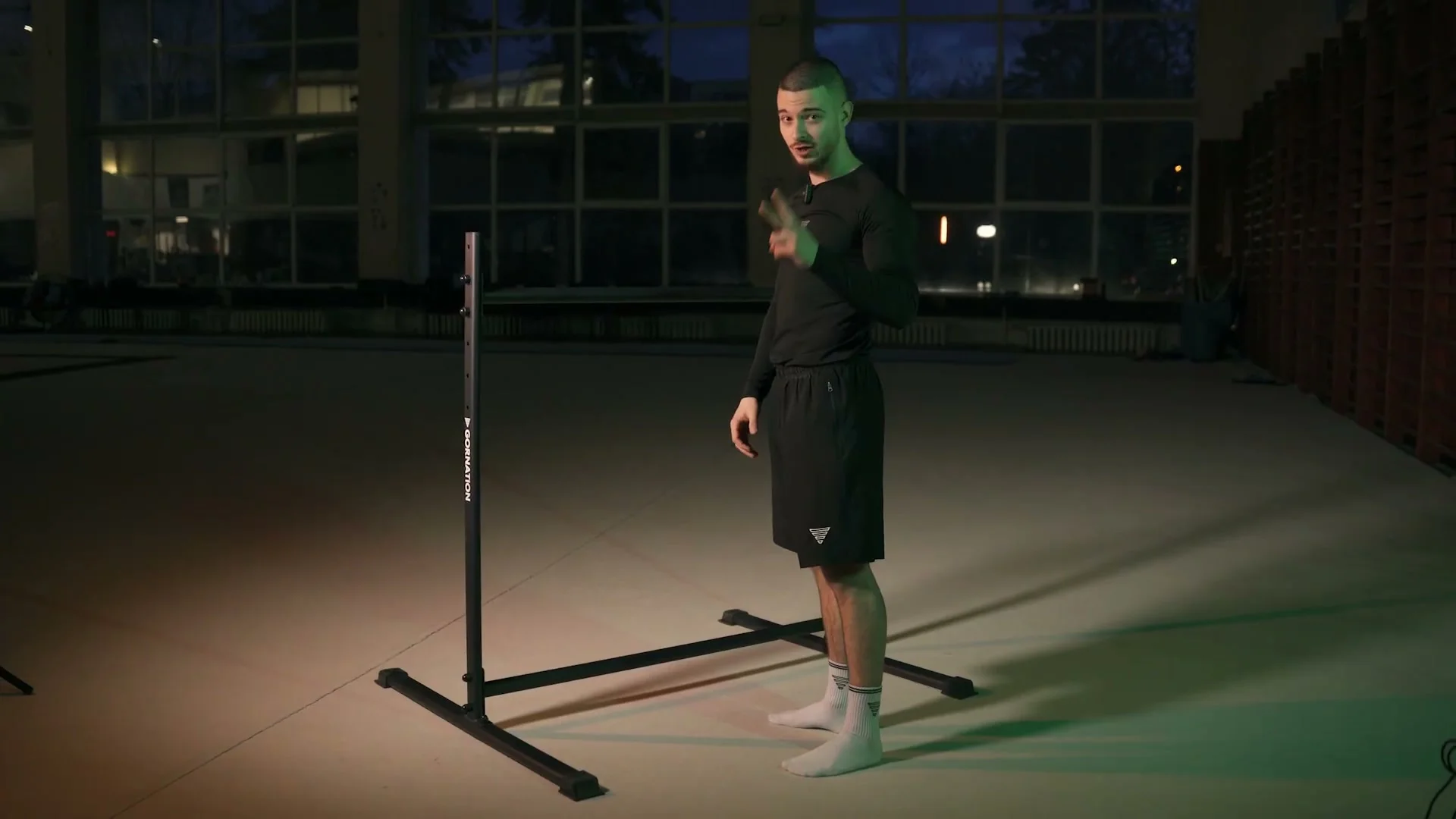
The part that mattered most was the pull-up to touch. On some bars, when you pull up and hold the top position, the bar keeps shaking under you, and that ruins any attempt that needs a still top position. On this one I got a small shake right as I touched, then it settled and stopped moving. That stillness is what let me hold the top position with confidence instead of fighting the bar.
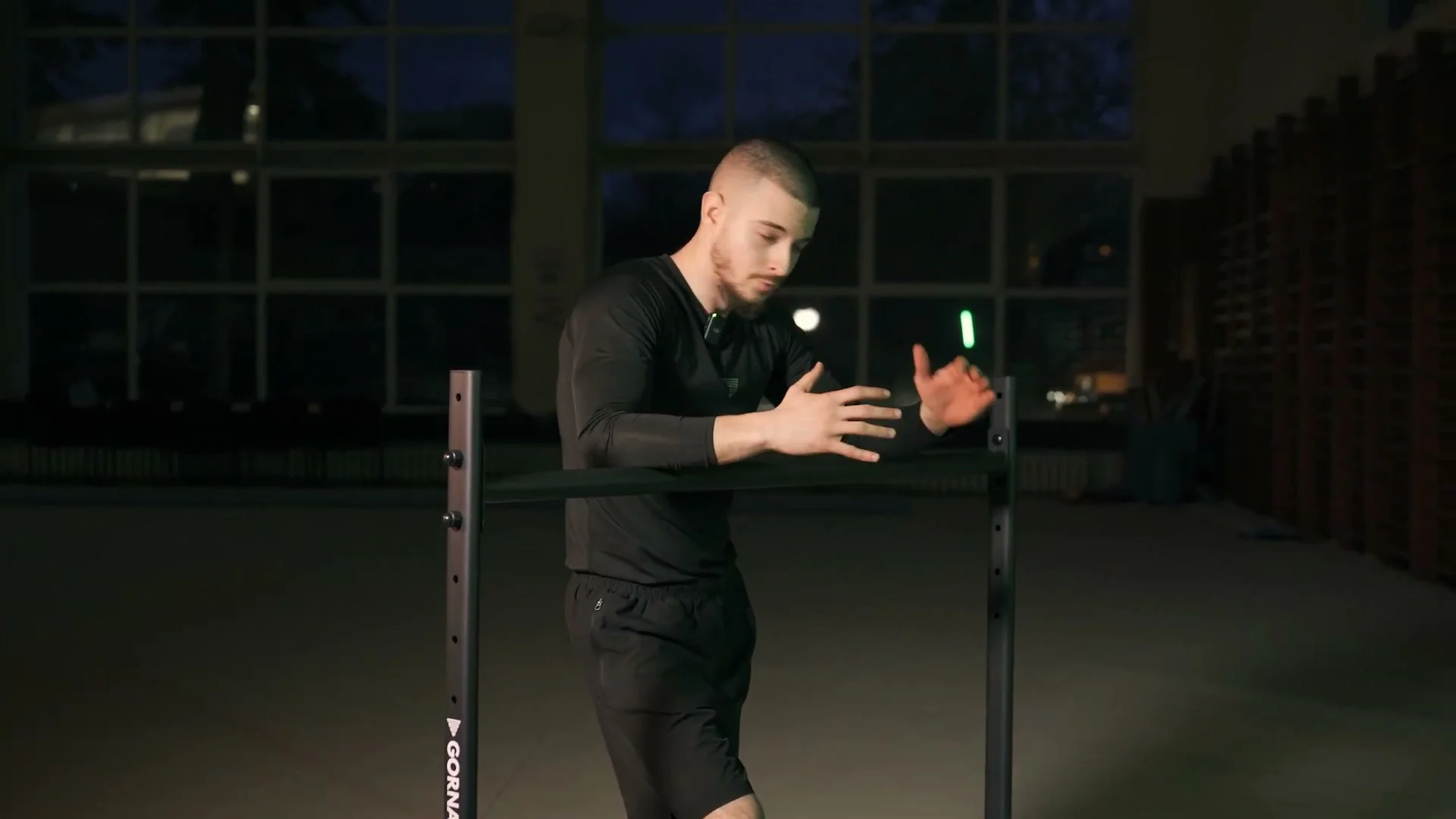
For planche work, the extra stabilization at the bottom means you can also train presses and holds down low, which is a safer place to build toward a maltese attempt than doing it at full height. I didn't attempt a maltese in this session since I'd already trained earlier that day, but with correct body lean it's within reach on this setup.
I also don't have the most demanding bodyweight for this kind of test, so I brought in my videographer, who is around 80 kg, to try front lever pull-ups and basic pulling work on the same bar.
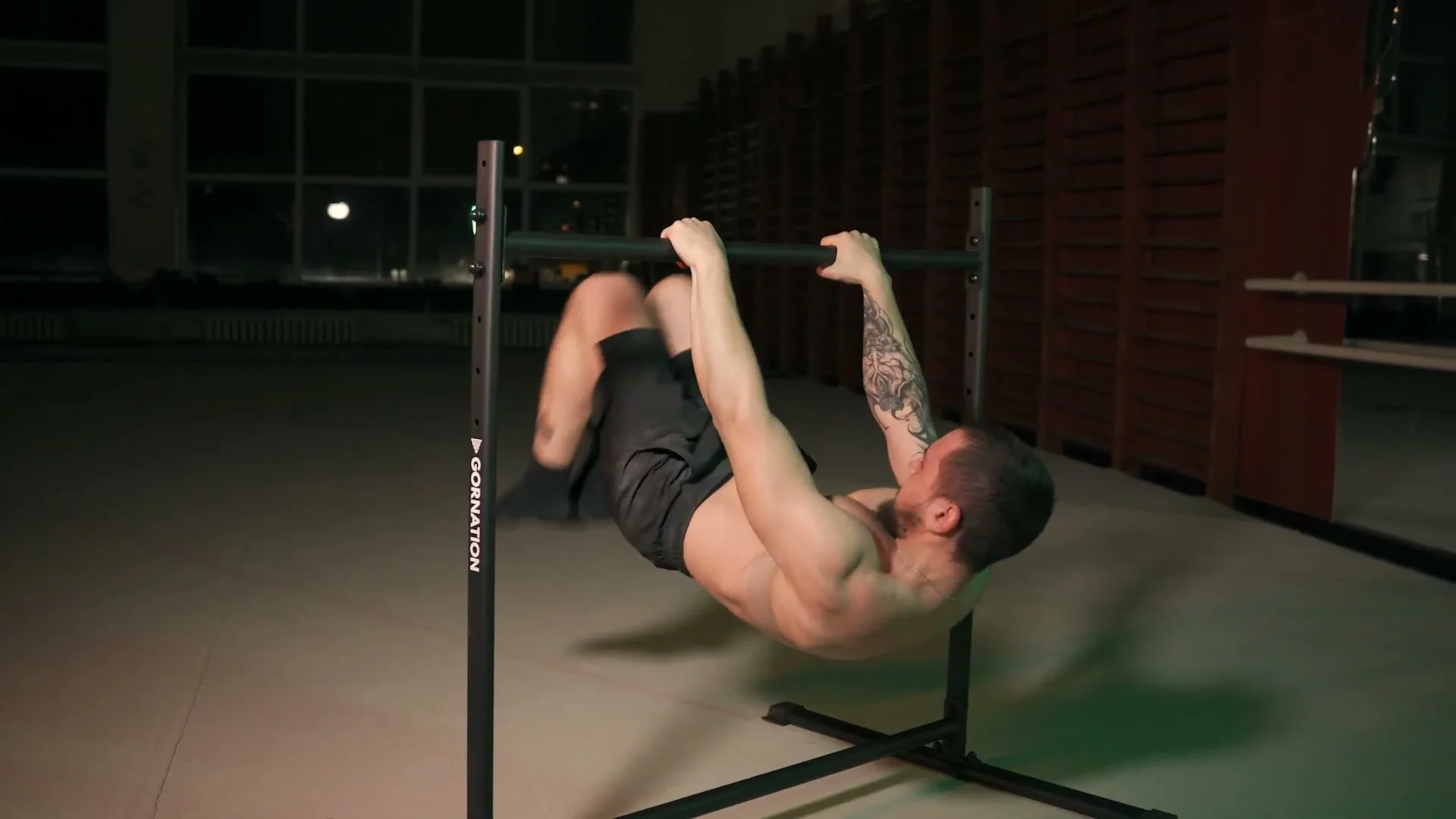
After all his reps, the bar held the same way it did for me. That matters because the original version was the one that got shaky specifically for heavier or more explosive users, so this was the real test of whether the fix actually works and not just a claim.
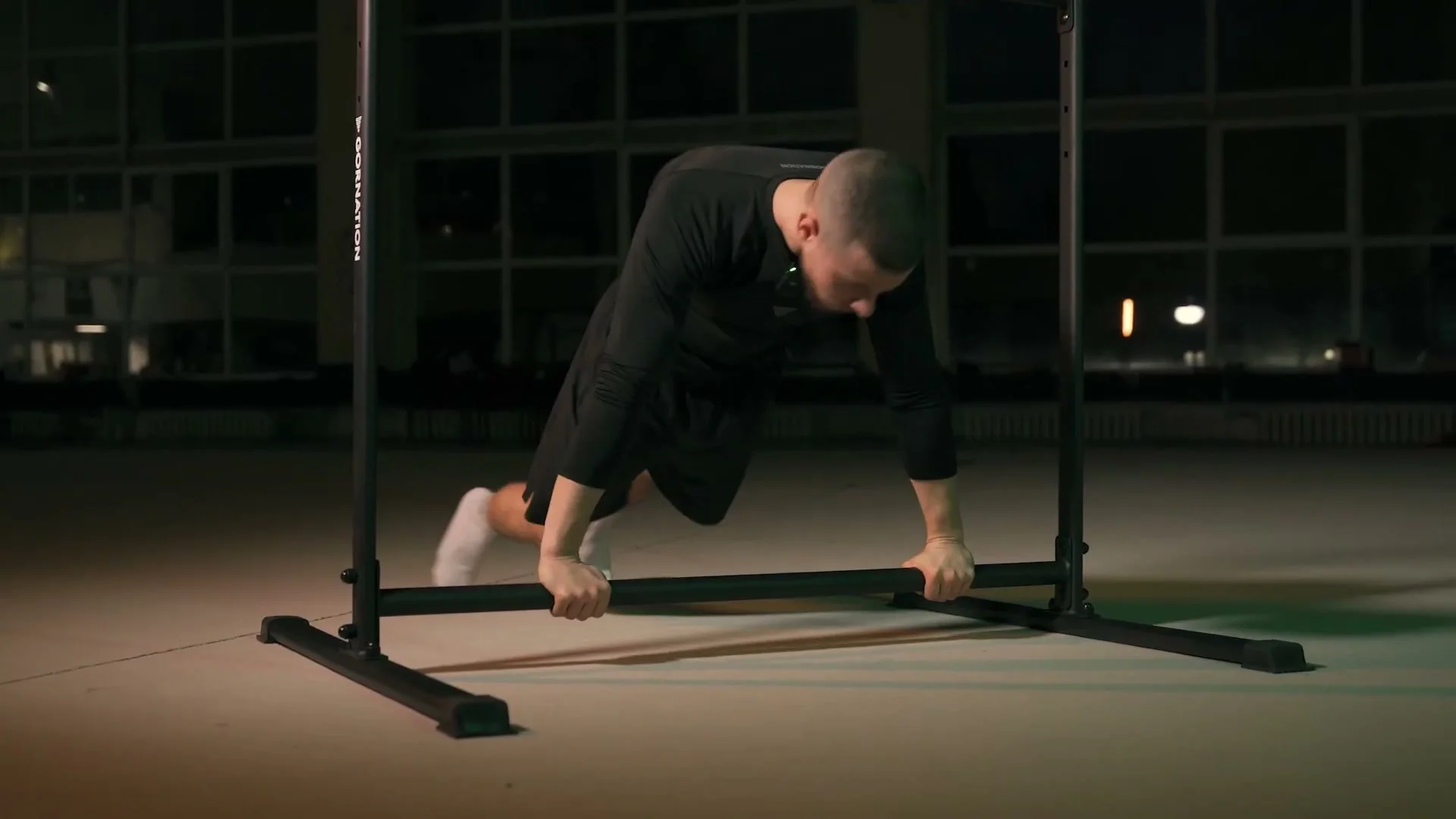
Who it is for: people training front lever and planche progressions who need a bar that stays still through the hardest part of the hold, not just during the easy range, and for anyone who trains with a heavier or more explosive training partner on the same equipment.
Which One Should You Buy?
If you already own the original Gornation static bar and it feels shaky under you, this second version fixes that. The added stabilization at the bottom is the real difference, not a cosmetic change, and since the price didn't move between versions there's no real reason to stay on the older one if you're upgrading anyway.
If you're buying your first static bar, this is the one to get. The height range covers most home ceilings and gym corners, the footprint is small enough to plan around before you buy, and the bar itself is light enough to move around a gym floor with one hand despite weighing 9.5 kg. The 200 kg load rating also means it's built for more than just lighter or intermediate athletes, which the heavier-partner test backs up.
A stable bar only gets you part of the way. Progressing safely on front lever and planche still comes down to how you program your holds and pulling volume, so if you want a second pair of eyes on that side of it, that's exactly what I work on with people through online coaching.
Pricing Overview
The Gornation Static Bar 2 lists at 149.90 EUR directly from Gornation, the same price as the original version. That price includes the bar, grip tape, the full hardware set, and a 2-year warranty. I'd check the current price on Gornation's site directly before buying, since prices and bundle options (like the home gym mats) can change.
Frequently Asked Questions About the Gornation Static Bar 2
Is the Gornation Static Bar 2 more expensive than the original?
No. The price stayed the same between the two versions at 149.90 EUR. You get the stability upgrade without paying more, though I'd still check the current price directly before buying in case it has changed.
Is this bar stable enough for heavier or more explosive athletes?
That's the group the upgrade is aimed at. The original could shake under heavier or more explosive users, and I tested this version myself and with a training partner around 80 kg, and it held the same way for both of us. The 200 kg load rating supports that too.
How long does assembly take?
Under 10 minutes in my case, and I'm not good at building things. Gornation rates it at around 5 minutes. Build the bottom section fully before you attach the top bar, especially if you're setting it up alone.
What height should I use it at?
There are 5 settings between 85 cm and 115 cm, spaced 7.5 cm apart. I'd recommend the second or third setting, around 105 to 110 cm, since going too high makes the whole setup a little less stable.
Is 38 mm bar thickness good for front lever and planche?
Yes, that's a solid thickness for statics work. It gives you enough to grip firmly for front lever and enough surface for a stable planche hand position, without being so thick that it works against you.
Can beginners use this bar, or is it only for advanced skills?
Both. Beyond front lever and planche work, it's fine for basic pulling and pushing work like pull-ups and push-ups. Beginners can build strength on it the same way advanced athletes refine top-level holds.

Daniel Hristov is a four-time calisthenics world champion and coach. He shares the exact methods he uses to train his own athletes.
More about Daniel →