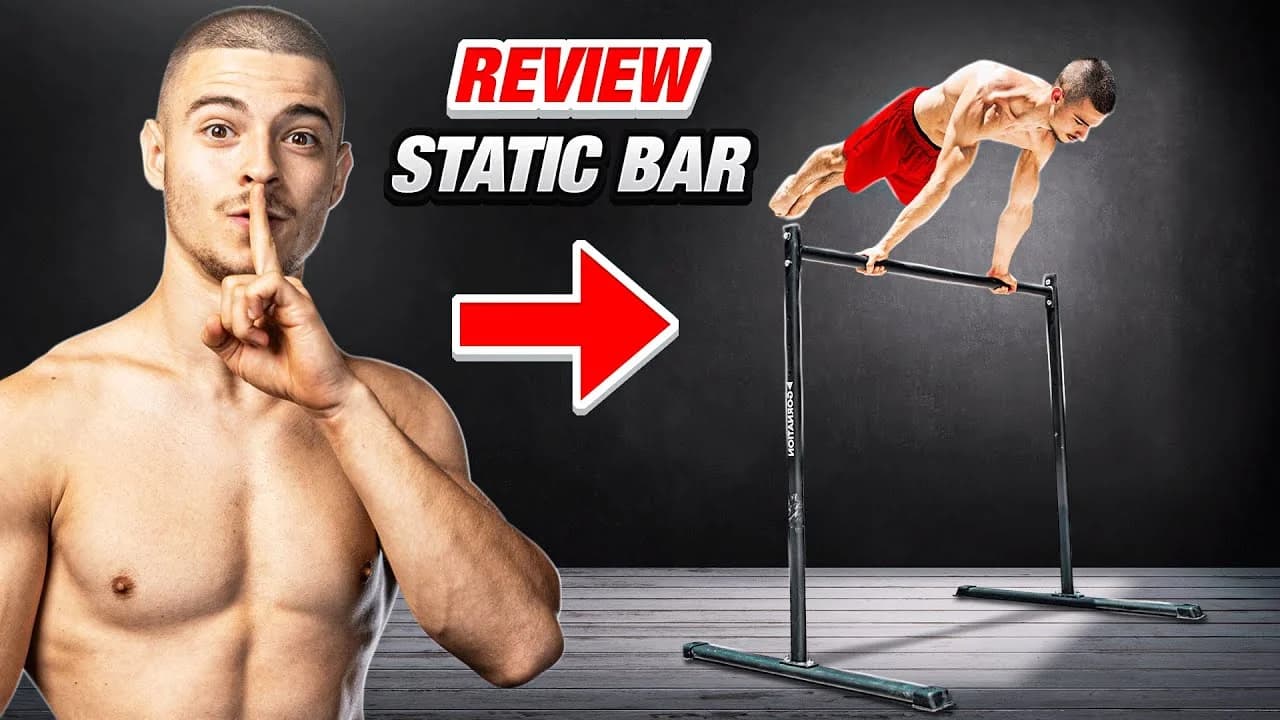
The first thing I noticed about the GorNation Static Bar was how light it felt once I picked it up after assembly. That matters, because a static rig you cannot move is a rig you only use in one room. GorNation built this one for calisthenics athletes chasing front lever, planche, and everything between, so the real question is whether it actually holds stable under those positions or just looks good standing empty. In this review I cover the build, the real specs, the range of static skills I tested on it, and how it stacks up against a standard dip bar. By the end you will know whether this bar earns a spot in your training setup.
Watch the Full Review
First Impressions and Assembly
I built this bar myself on camera, poles, bases, bolts, the whole process. It only took two of each main part and a few minutes of tightening before it stood on its own, using the wrench and screws that come in the box. Nothing about the assembly felt fiddly.
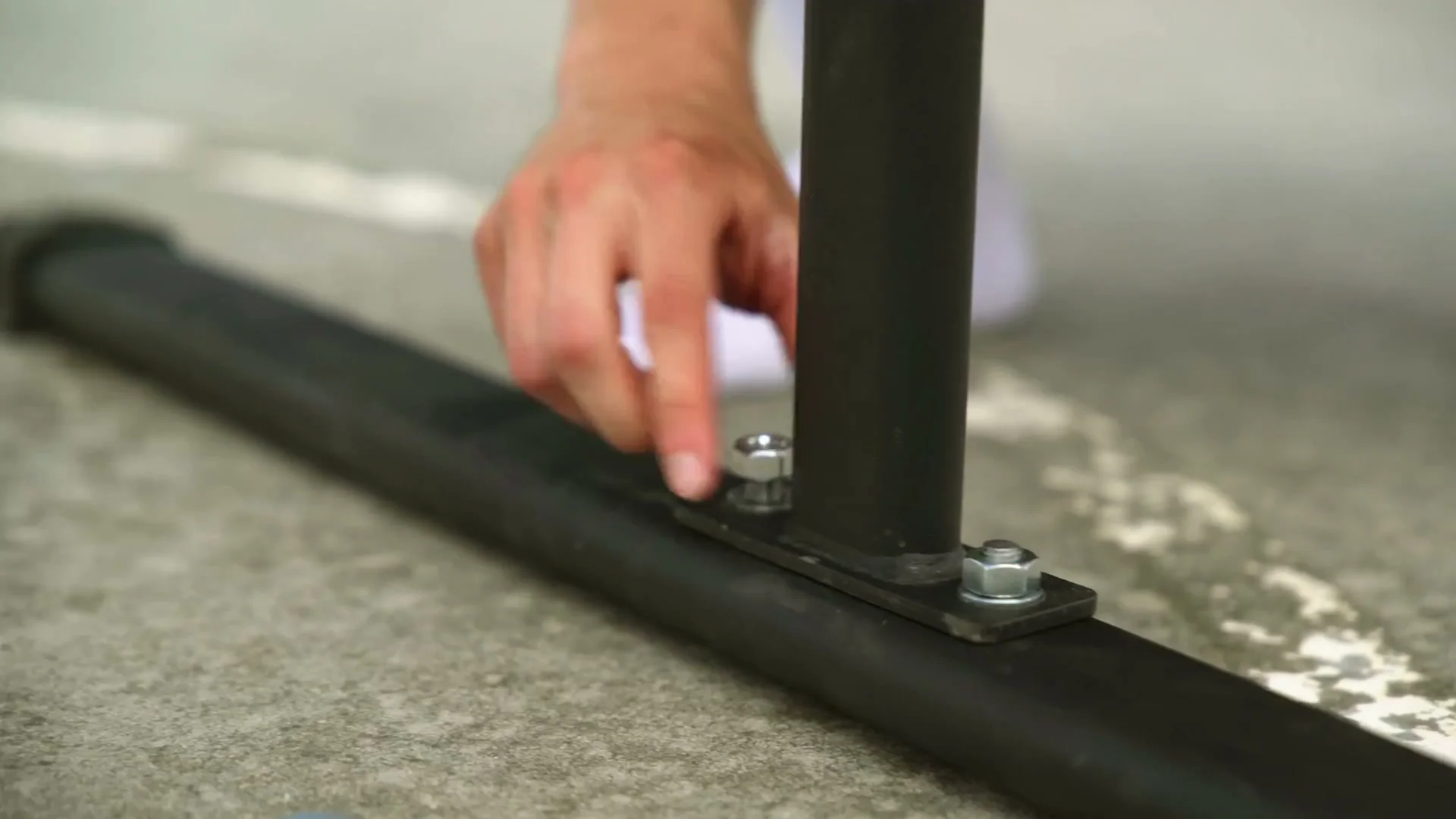
Once it was together I picked it up to test the weight, and that was the moment that told me the most. It is light enough that I can carry it to the park and train with friends outside, not just leave it bolted in one spot at home.
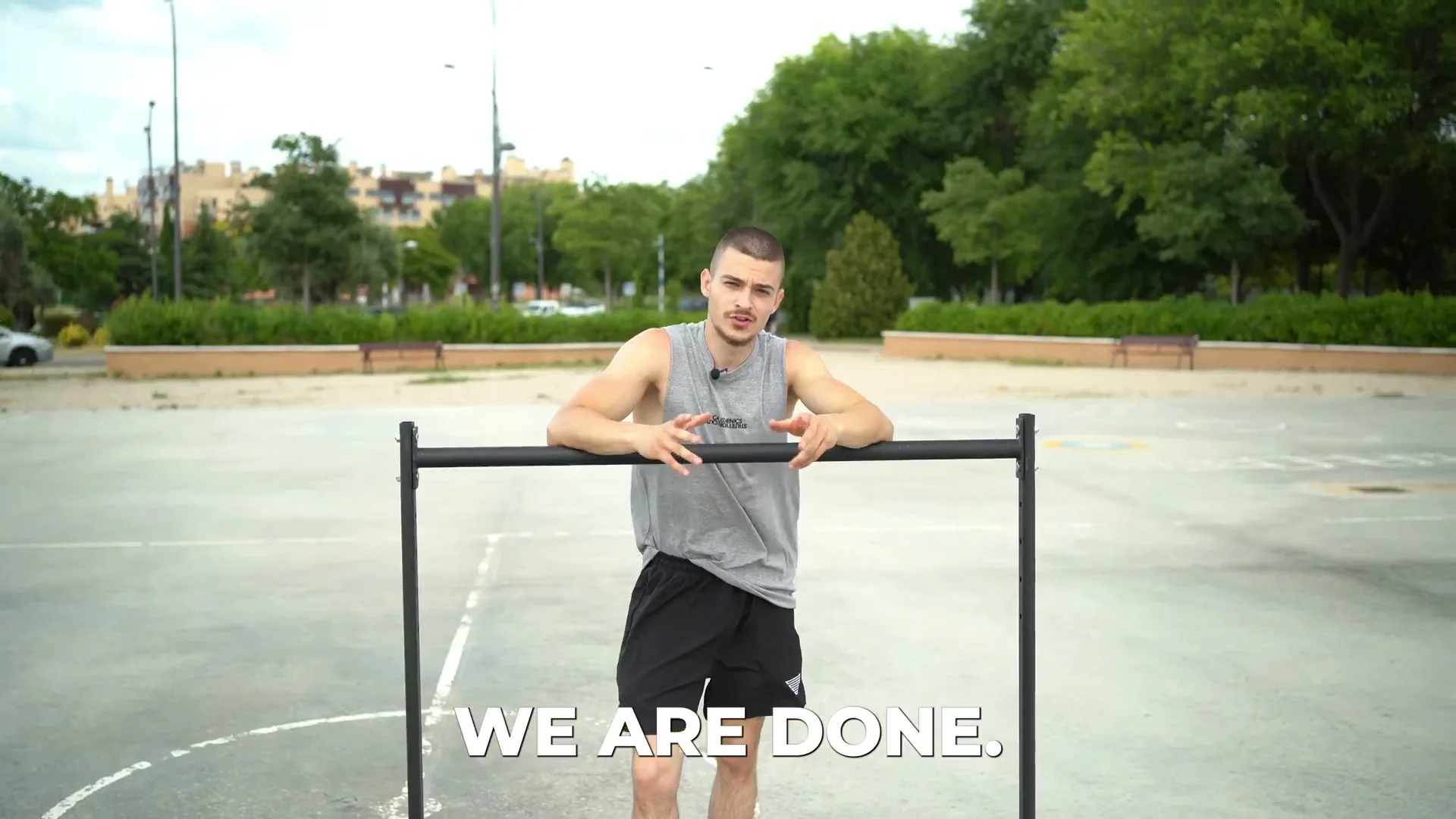
Who it is for: athletes who want one static rig that works at home, in the gym, or outdoors without needing a permanent setup.
GorNation Static Bar Specs
| Spec | Value |
|---|---|
| Price | 149.90 Euro |
| Bar length | 116 cm |
| Floor footprint | 100 cm |
| Height range | 85 cm to 115 cm, 5 settings, 7.5 cm apart |
| Bar diameter | 38 mm |
| Weight | 9.5 kg |
| Load capacity | 200 kg max |
| Materials | Powder-coated steel, non-slip rubber feet |
| Assembly | Under 5 minutes, wrench and screws included |
| Extras | 25 m grip tape and assembly instructions included |
Key Takeaway
This bar is built specifically for static holds, not as a general pull-up station. The dual crossbars, the 30 cm of height adjustment, and the 200 kg load rating all point at one job: giving you a stable, portable rig for front lever, planche, and dip work that does not wobble under a long hold.
Static Skills You Can Train on It
I ran through a full range on this bar, from beginner to advanced. Dips on the straight bar felt comfortable and stable, which matters more than people think, a bar that flexes under you ruins your dip form before you even get to the static work.
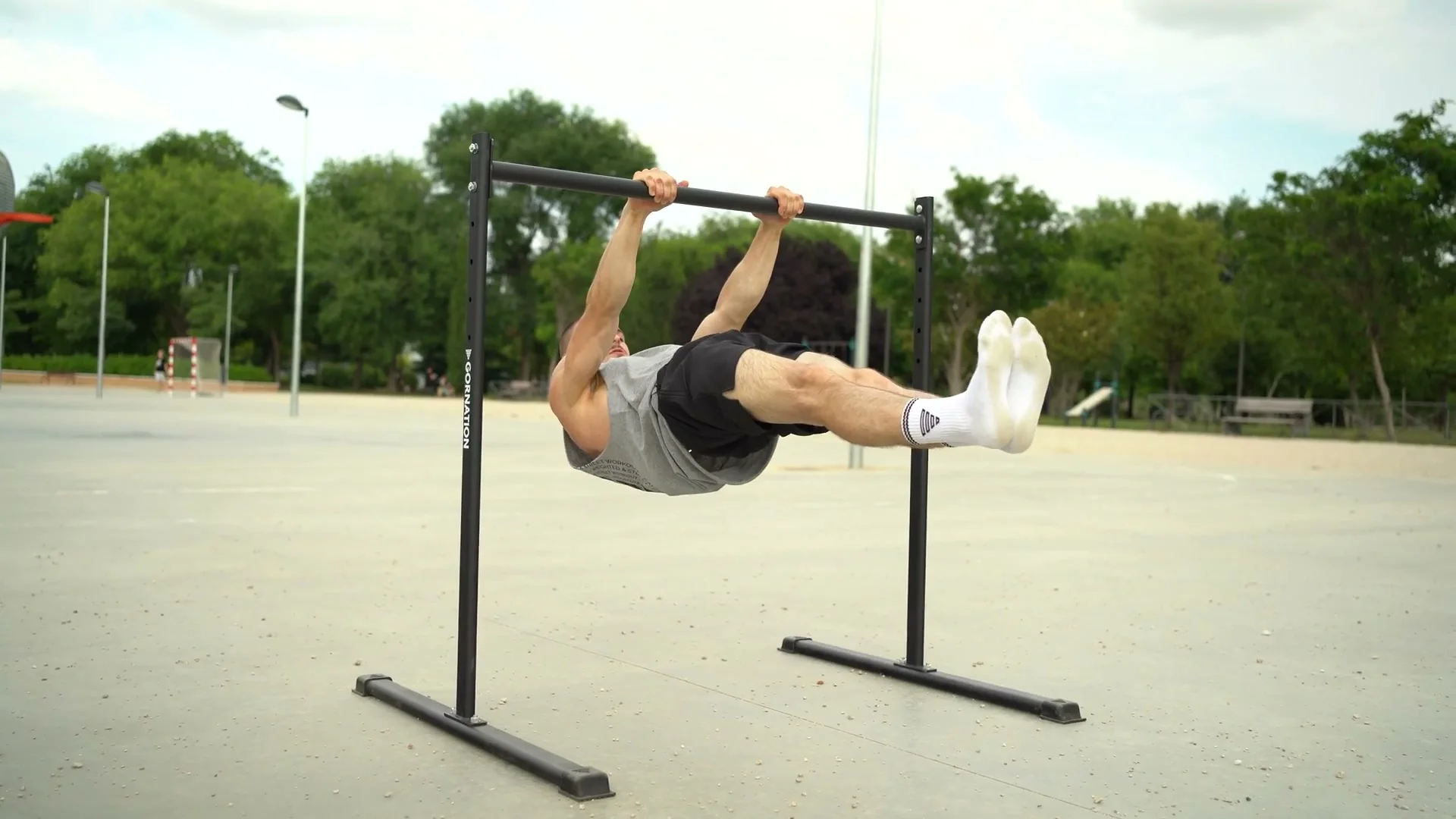
From there I moved into front lever progressions, starting with the tuck, then straddle, then full front lever. The bar held stable through all three, which is not something I take for granted on portable equipment.
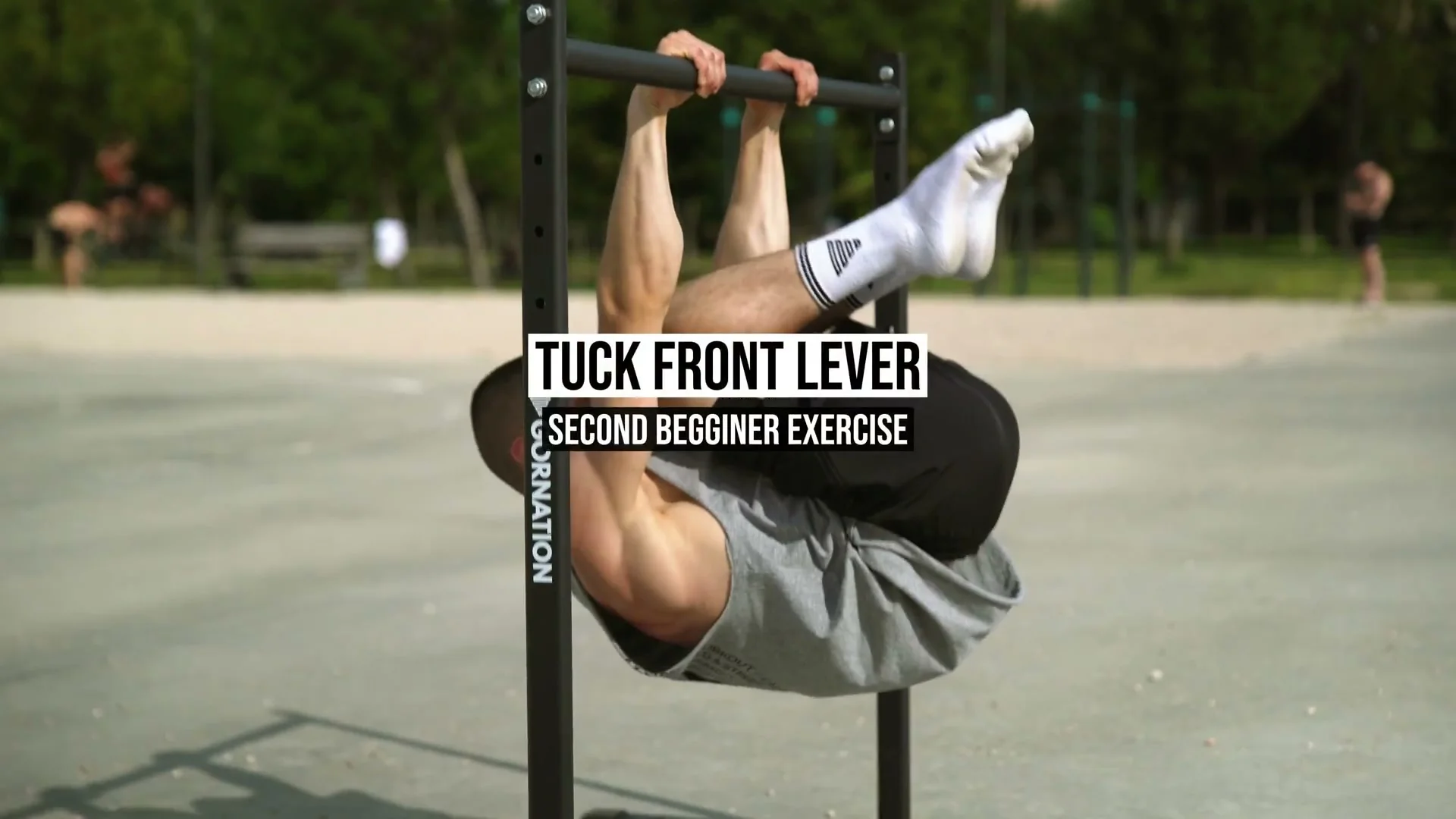
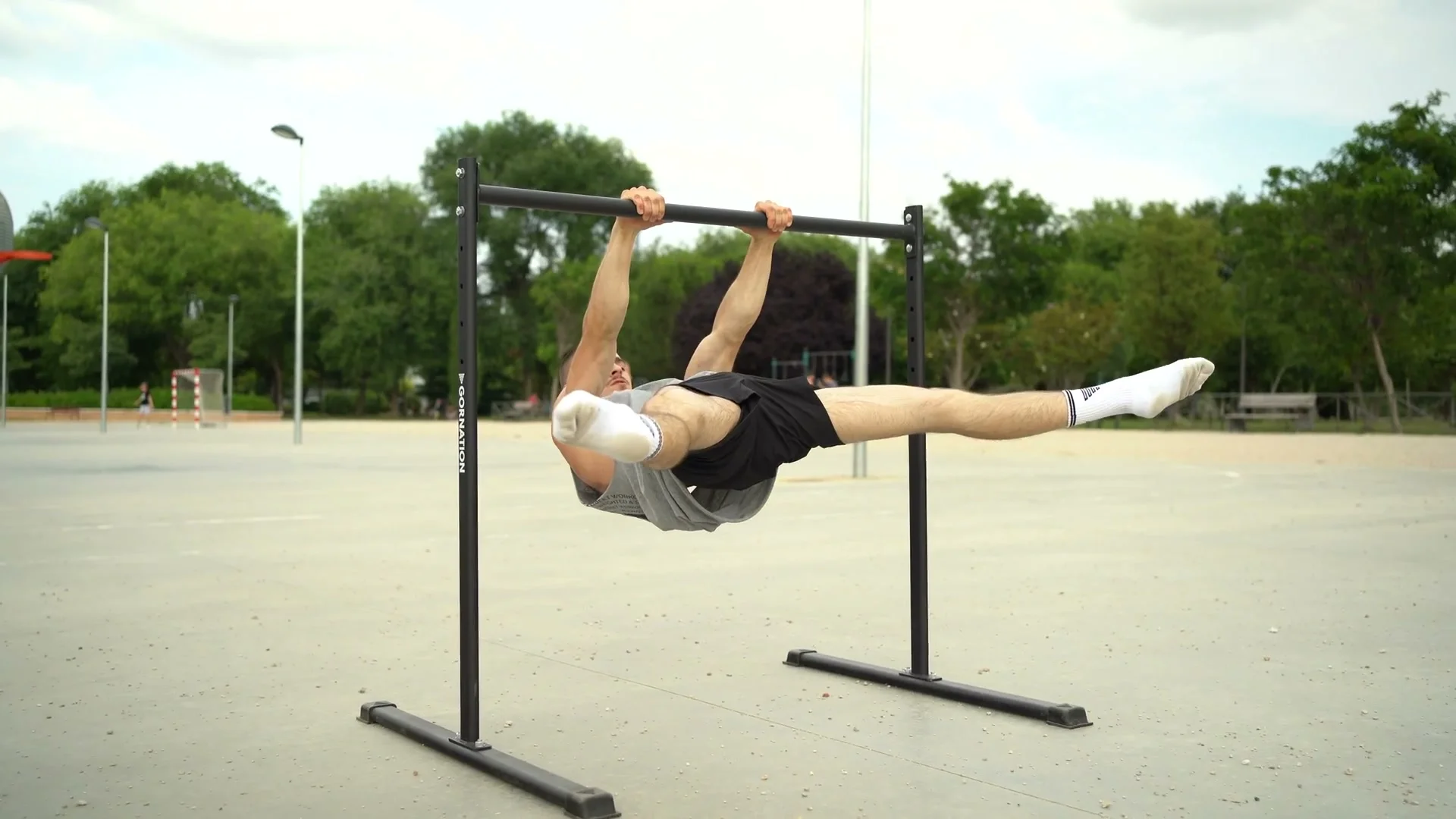
I did the same progression on planche, tuck to straddle to full. Wide front lever positions worked well too, since the width gives you room to move your hands out without your body running into the frame.
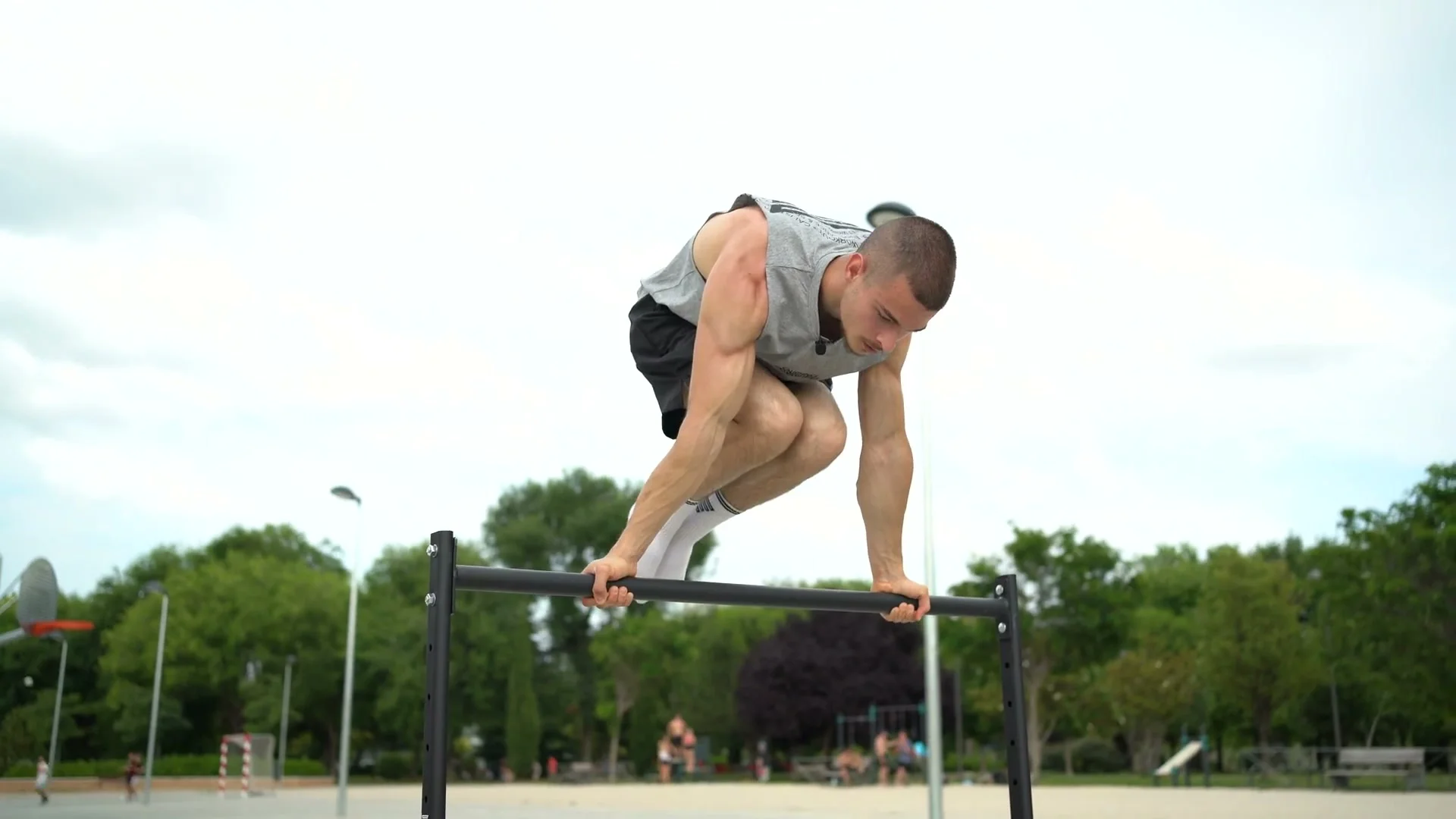
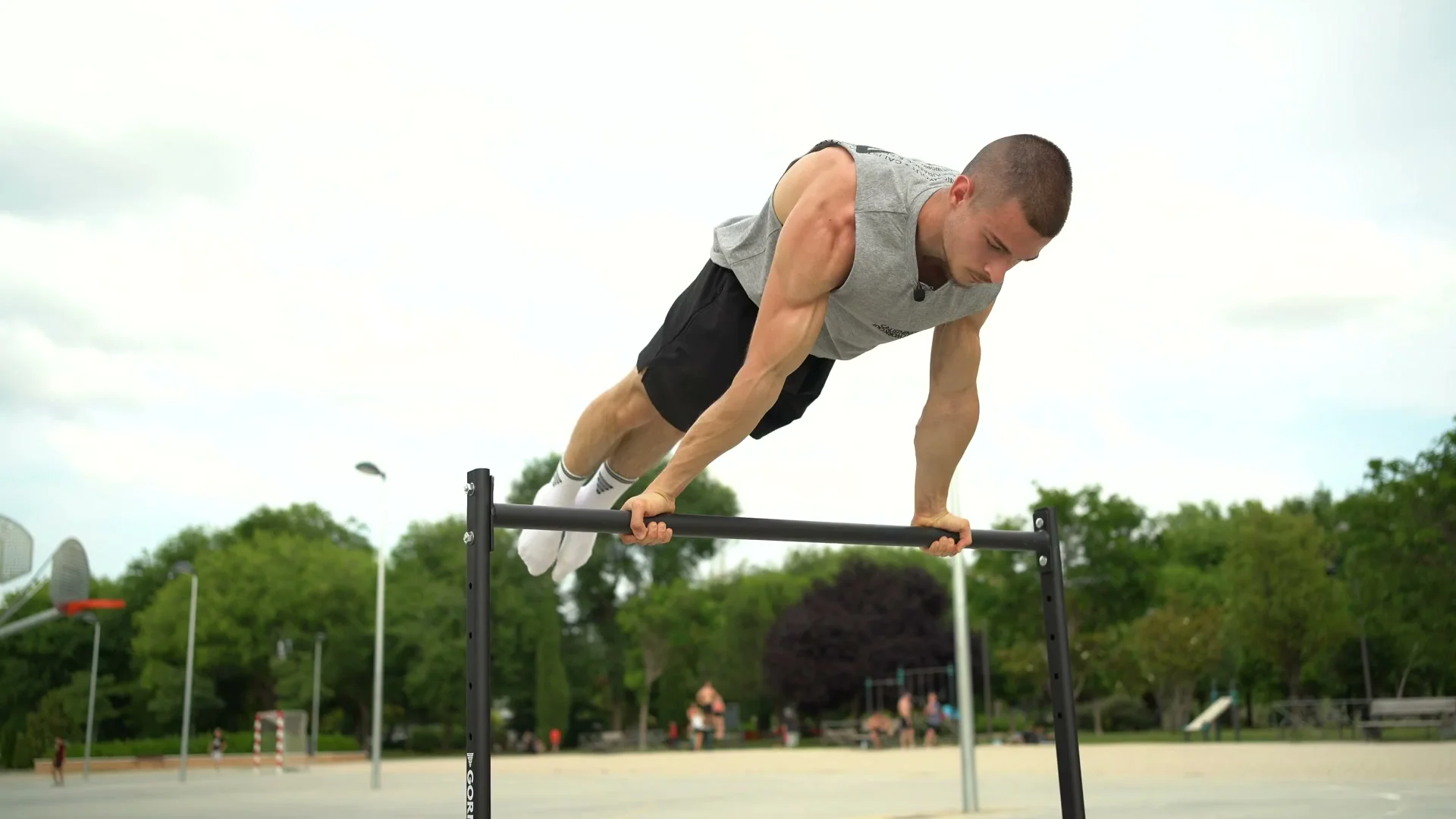
If you are working through a coaching plan that includes planche or front lever work, having a bar that does not wobble mid-hold changes how confidently you push a new range.
Who it is for: anyone training tuck through full front lever or planche and who wants one bar that does not need to be swapped out as they progress.
How It Compares to Dip Bars
A lot of people ask me the difference between this static bar and a standard dip bar, so I will say it plainly. This one is wider. That width is what makes it more stable under load, and it gives you the space to perform combos without your shoulders or hands crowding the frame.
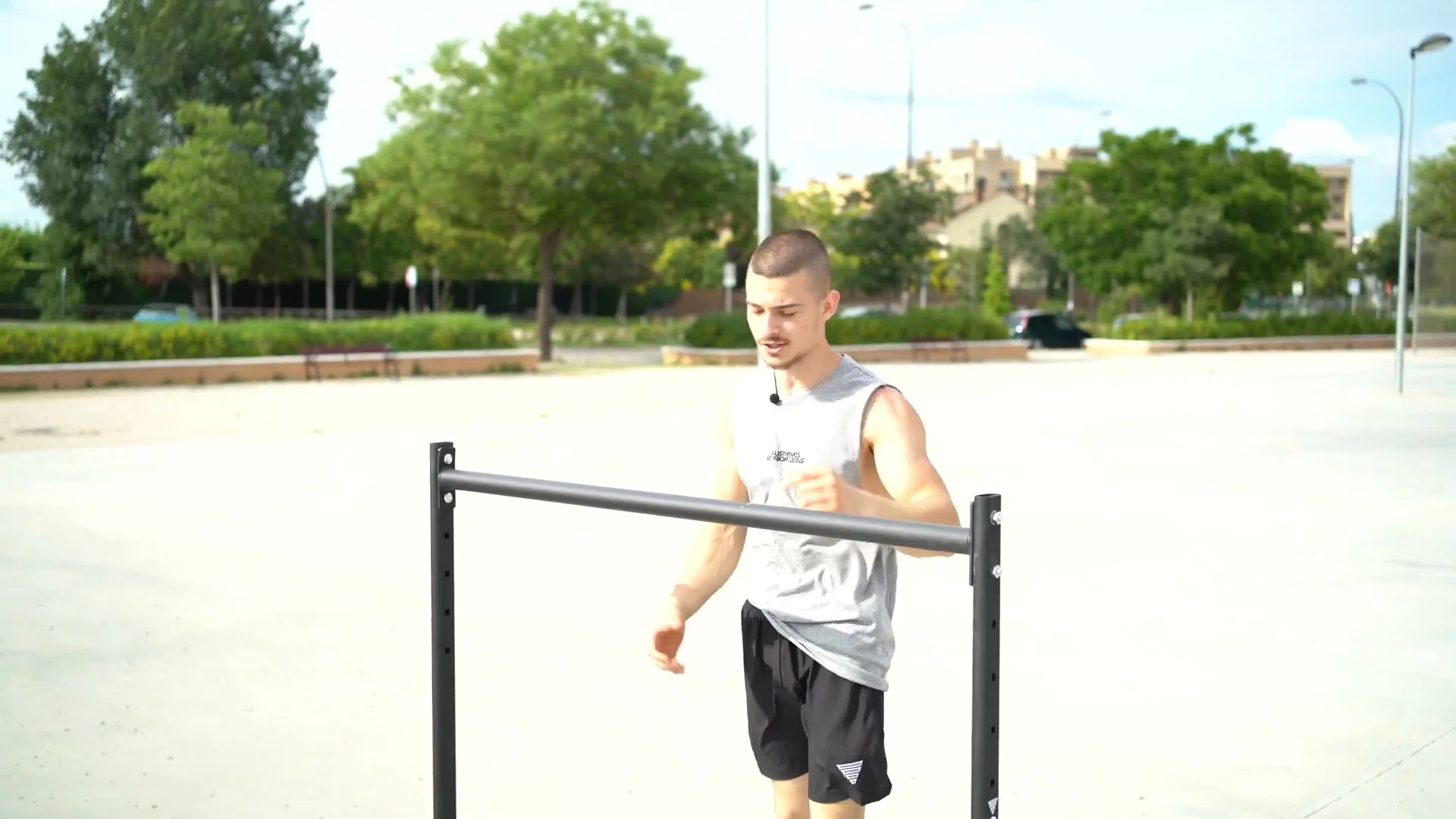
The adjustable height is the other piece, you can set it across five settings between 85 and 115 cm instead of working around a fixed bar height. For pure static training, straddle planche, full planche, wide front lever, that extra space is what lets you actually move through the positions instead of just holding one static point.
Which One Should You Buy?
If your goal is static skills specifically, front lever, planche, and everything between, this is the bar I would point you to over a standard dip bar. The width, the 30 cm of height adjustment, and the fact that it breaks down light enough to bring outside mean you are not stuck training in one room. If your main goal is just dips and pull-ups with no static work planned, you do not need this bar, a simpler dip station covers that.
Pricing sits at 149.90 Euro, which lines up with mid-range portable calisthenics equipment once you factor in the steel build, the 200 kg load rating, and the included grip tape and tools. But once static holds are part of your training, the extra stability and space pay off every session.
Frequently Asked Questions About the GorNation Static Bar
Is the GorNation Static Bar good for beginners?
Yes. I showed dips and tuck front lever on it, both of which are beginner to intermediate movements, and the bar stayed stable through them. You do not need advanced skills to get value from it.
Can I do full planche and front lever on this bar?
Yes. I went through tuck, straddle, and full positions for both planche and front lever, and the bar held stable the whole way through.
How much does the GorNation Static Bar cost?
It is priced at 149.90 Euro, which is a fair price given the steel build, 200 kg load rating, and how much it can replace in a home setup.
Is the static bar portable?
Yes. At 9.5 kg, after assembly I picked it up and it was noticeably light, light enough to bring to the park to train outdoors.
How is this different from a dip bar?
The static bar is wider and more stable, and the height adjusts across five settings between 85 and 115 cm. That extra width gives you room to perform combos and wide front lever positions that a standard dip bar does not have space for.
Do I need tools to assemble it?
Assembly involves connecting the poles and bases per side and tightening everything with the included wrench, and it went together easily when I built mine, in under 5 minutes.
If you want a training plan built around where your front lever or planche actually is right now, that is the kind of thing I work through with people inside online coaching.

Daniel Hristov is a four-time calisthenics world champion and coach. He shares the exact methods he uses to train his own athletes.
More about Daniel →