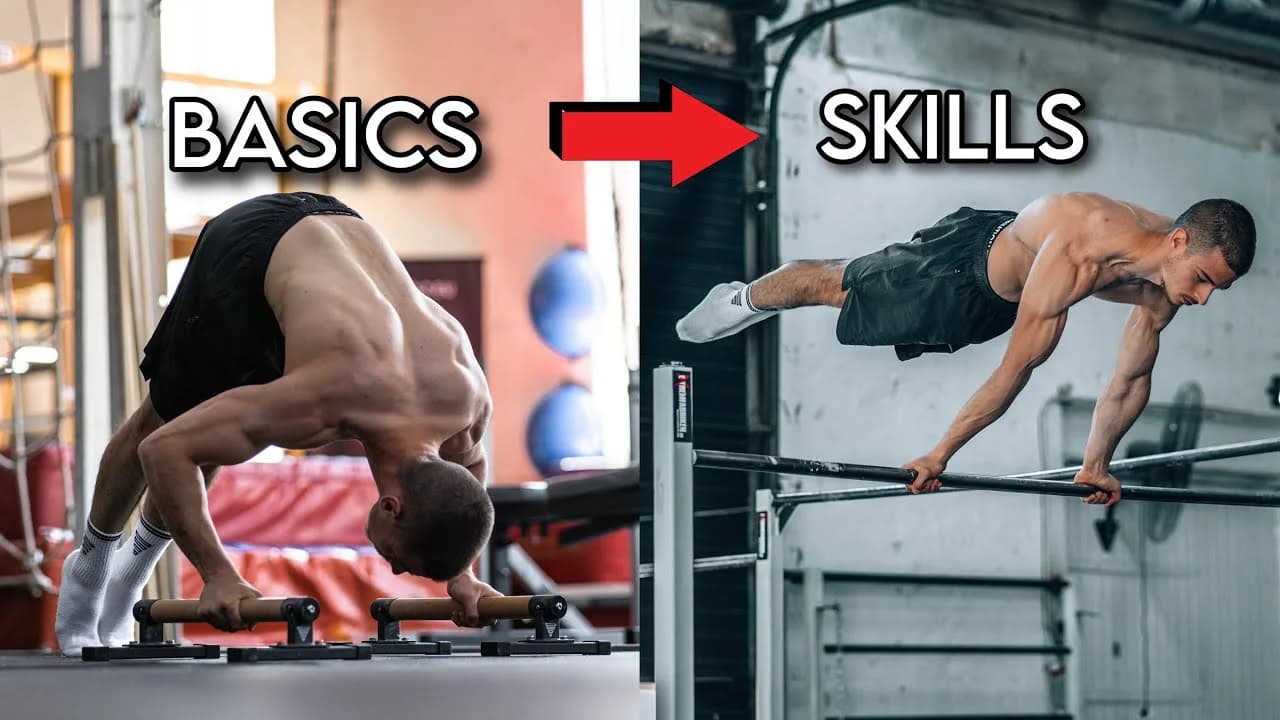
I get asked this constantly: do you actually need basics before you train static skills like planche and front lever? Yes, and skipping them is the most common reason beginners get stuck or hurt. The honest challenge is that basics take longer and feel boring compared to chasing a skill straight away, so most people rush past them. Basics sit before the first progression in any static skill, they are not optional filler. In this tutorial I cover why basics matter, what standards I use before moving on, and how to structure the training. By the end you will know how to start training your basics the right way.
Watch the Full Tutorial
What Are Basics in Calisthenics
Basics are the foundational exercises that build the push, pull, and core strength every static skill is built on. Push-ups, dips, pull-ups, and core work fall into this category, along with basic isometric holds.
They are not a warm-up you rush through. They are the reason your joints, tendons, and muscles are ready for the load a skill like planche or front lever puts on them. Your muscles adapt faster than your tendons and joints do, so if you jump into advanced progressions before your connective tissue has caught up, injury risk goes up.
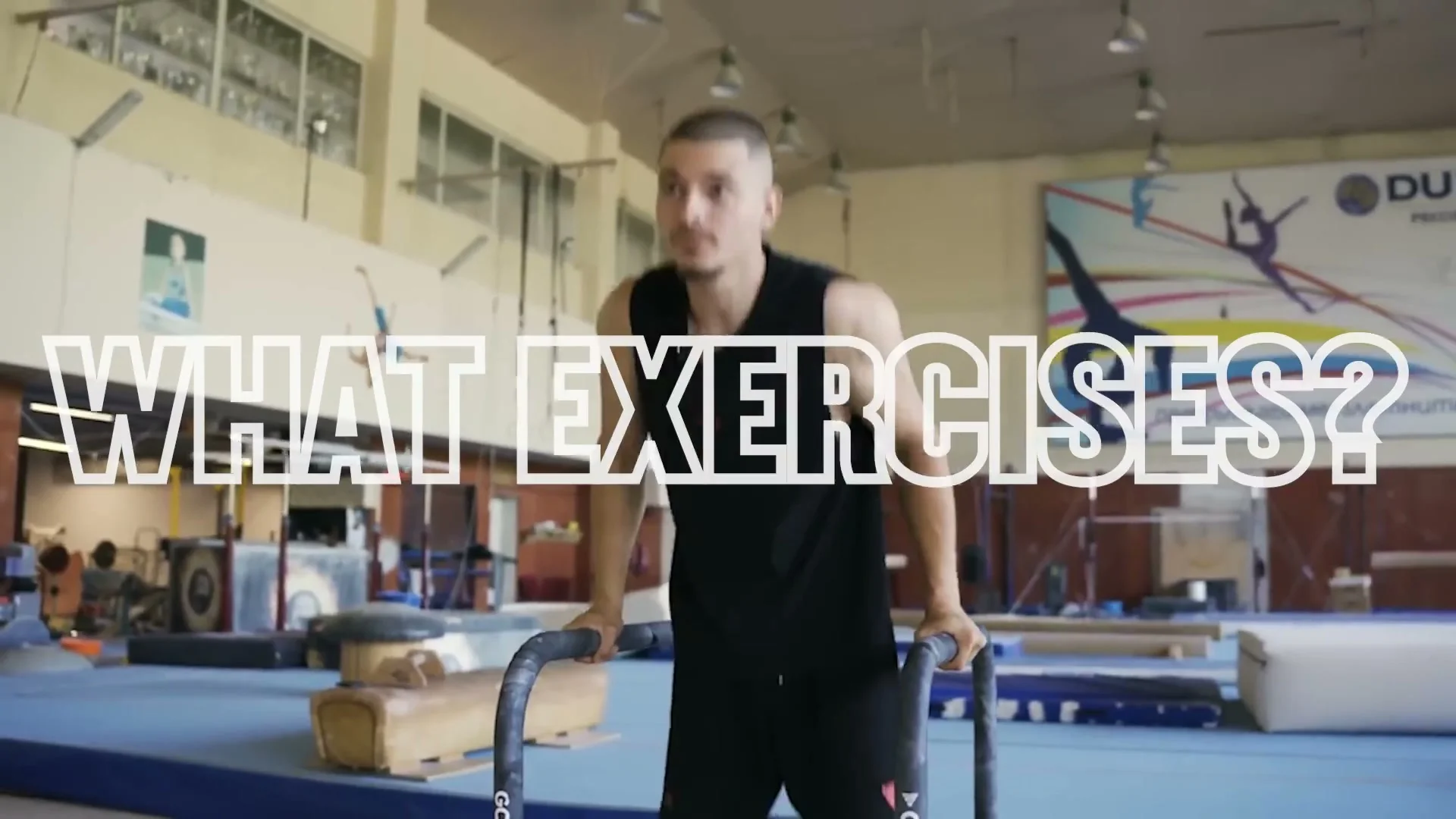
I think about it as two paths. One person skips basics and rushes into progressions. It looks faster at first, but the risk of injury and getting stuck is much higher. The other person puts in the time on basics first. It takes longer at the start, but the progress holds up and the risk drops. Over a full calisthenics journey, the second person wins.
Prerequisites
Before you touch the first real progression toward planche or front lever, you need a base level of strength. My recommendation is to spend three to six months on basics before moving into skill-specific progressions. That includes push-ups, dips, pull-ups, and core and isometric work, not just one or two exercises.
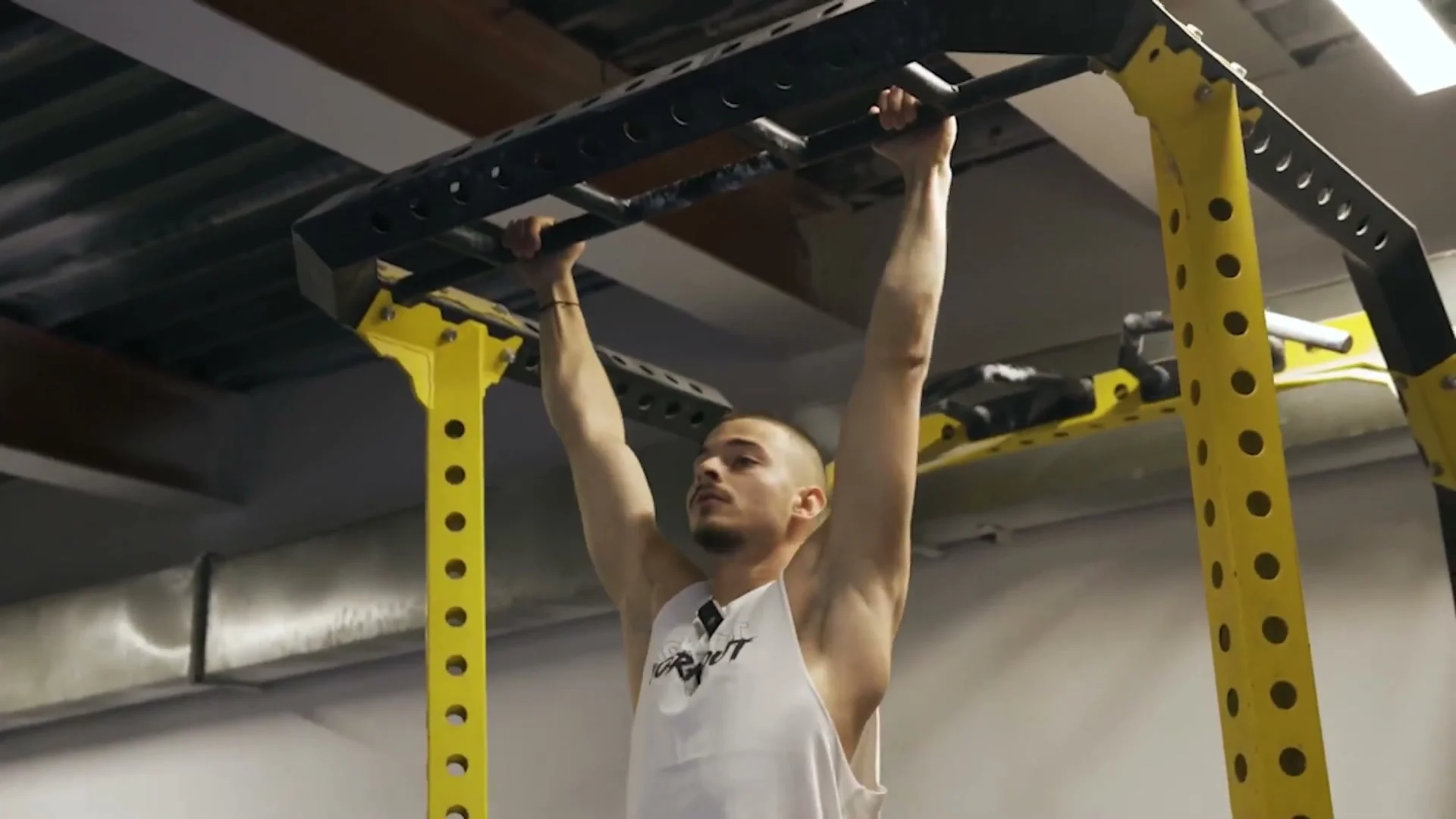
The minimum standards I use before someone moves from basics into their first progression:
- For planche: at least 25 dips with good form, and at least 30 push-ups with good form.
- For front lever: at least 15 pull-ups with good form, and at least 15 toes-to-bar with good form.
If you're not there yet, that's fine, it just means more time on basics before you move on. Trying to skip ahead of these numbers is where most injuries and stalled progress come from.
How to Train Your Basics
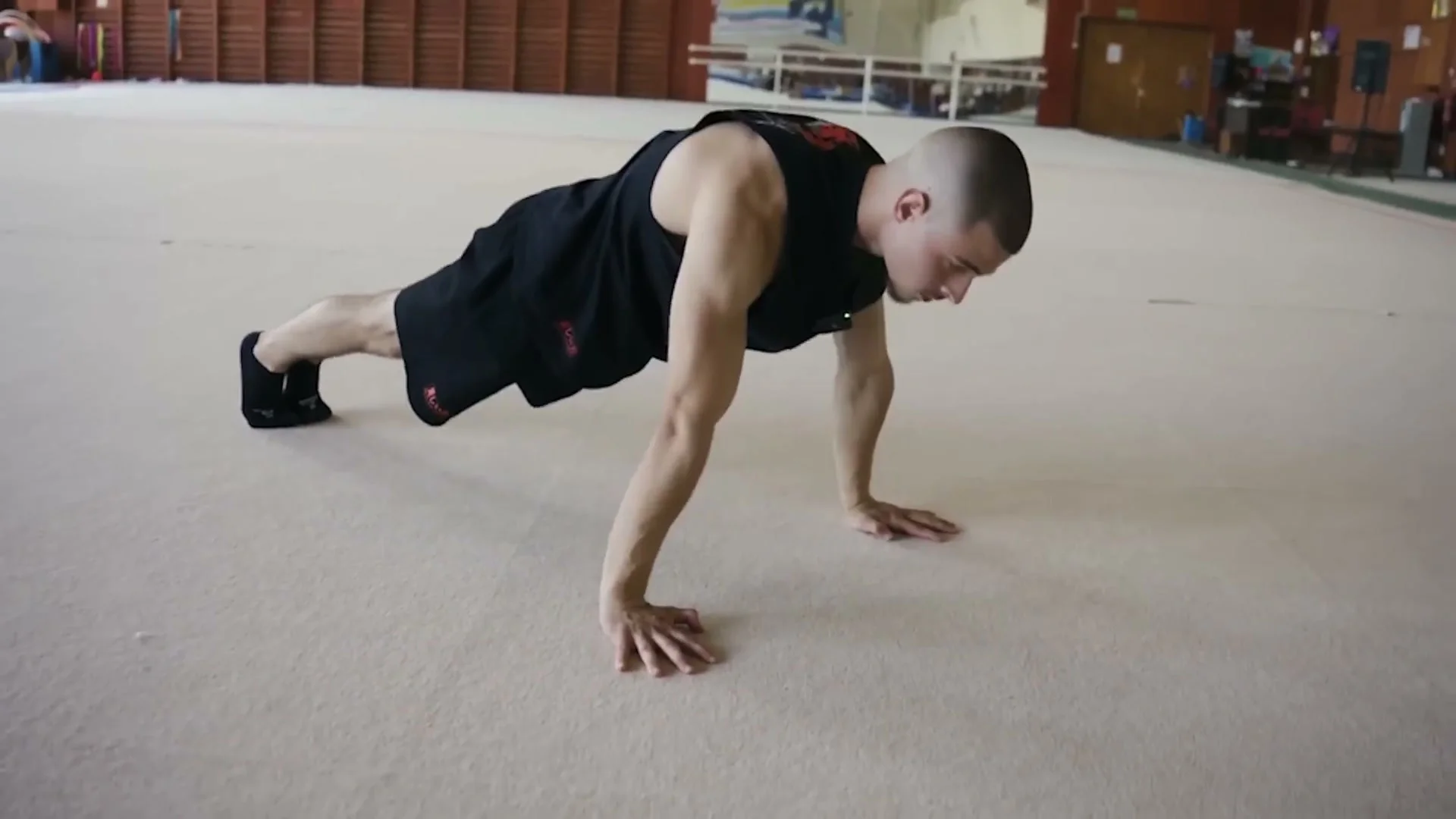
Train the full list, not just the exercise you enjoy most. Push-ups, dips, pull-ups, core exercises, and isometric holds all need attention, because every one of them feeds directly into your future skill work.
Pay extra attention to your scapula and your core. Every muscle group matters, but scapular strength and core strength carry the most weight when you get into planche and front lever specifically. Weak scapular control is one of the most common reasons beginners stall once they reach the first real progression.
Key Takeaway
Basics are not a phase you rush through to get to the real training. They are the training. Three to six months spent building strict reps and joint preparation now is what lets your progressions hold up later instead of stalling out.
Keep your form strict on every rep you count toward your standards. A push-up or dip that doesn't count as "good form" isn't building the strength or the joint preparation you actually need, it's just volume. If you want a second pair of eyes checking your form and pacing your progressions properly, that's exactly what I work on with clients through online coaching.
Progression: From Zero to Static Skills
Stage 1: Build Your Base Reps
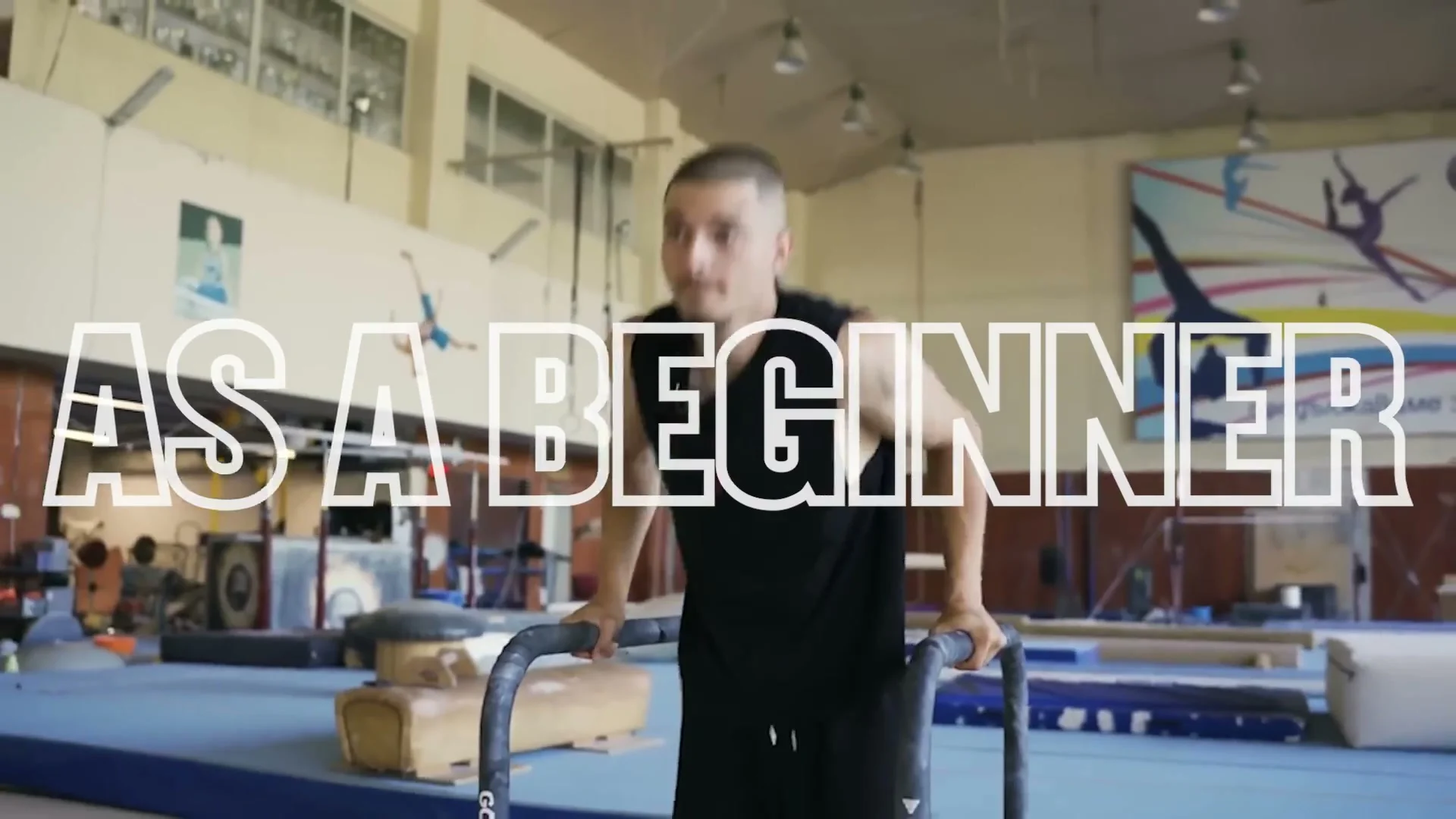
Start with push-ups, dips, and pull-ups as your core basics. Don't worry about skill work yet. Focus on getting comfortable, controlled reps in each movement.
Stage 2: Add Core and Isometric Work
Layer in core exercises and basic isometric holds alongside your reps. This is where you start building the tendon and joint preparation that protects you once you add skill-specific load.
Stage 3: Train Toward the Standards
Push your numbers toward the standards for the skill you want. Aim for 25 dips and 30 push-ups with good form if you're heading toward planche, or 15 pull-ups and 15 toes-to-bar if you're heading toward front lever.
Stage 4: Test and Move Into the First Progression
Once you consistently hit the standard with good form, and only then, move into the first progression for your skill.
Go through every progression in order after that. Don't skip ahead to advanced positions once you're past basics either, the same rushing problem shows up again if you do.
Common Mistakes
Mistake 1: Skipping Basics Entirely
Trying progressions without any basics preparation is the most common mistake I see. Beginners want to jump straight to planche or front lever progressions without first mastering push-ups, pull-ups, and dips. It rarely ends well.
Mistake 2: Ignoring Scapular and Core Strength
Every muscle group matters for static skills, but scapular and core strength get neglected the most. If these are weak, your progress in planche and front lever stalls no matter how strong the rest of your body is.
Mistake 3: Skipping Progressions Within the Skill Itself
Some people do their basics properly, then rush straight to an advanced position like straddle planche or full front lever without going through the progressions in between. That approach will not get you results. Go through every progression from the first to the last.
Mistake 4: Counting Reps That Don't Have Good Form
A push-up or dip that breaks form doesn't count toward your standard. Counting sloppy reps just to hit a number on paper skips the actual joint and tendon preparation those reps are supposed to build.
Training Tips
Test your standards honestly before you move on. If you're at 20 dips instead of 25, stay on basics rather than rounding up in your head.
Train the full list every session, not just your favorite exercise. Push-ups, dips, pull-ups, core, and isometric holds all need reps, skipping one because it's less fun leaves a weak link that shows up later.
Track your numbers over time. Basics training can feel slow because there's no skill to show for it yet, but watching your dip and pull-up numbers climb month to month keeps you honest about whether you're actually ready to move on.
If you're not sure whether your form actually counts as good form, that's exactly the kind of thing a coach catches early. It's a core part of what I work through with people inside online coaching.
Frequently Asked Questions About Basics for Static Skills
How long should I train basics before starting planche or front lever?
I recommend three to six months of consistent basics training before moving into skill-specific progressions, depending on your starting strength.
What are the minimum standards before starting planche progressions?
At least 25 dips with good form and at least 30 push-ups with good form.
What are the minimum standards before starting front lever progressions?
At least 15 pull-ups with good form and at least 15 toes-to-bar with good form.
Can I skip basics if I already have some gym strength?
General gym strength helps, but it doesn't replace calisthenics-specific basics like dips, pull-ups, and bodyweight core work. Test yourself against the standards above before assuming you're ready.
Why do basics matter for injury prevention specifically?
Your muscles adapt to load faster than your joints and tendons do. Basics give your connective tissue time to catch up before you add the heavier demands of static skills.
What basic exercises matter most for planche and front lever?
Push-ups and dips carry the most weight for planche, pull-ups and toes-to-bar carry the most weight for front lever, and core and scapular strength support both.

Daniel Hristov is a four-time calisthenics world champion and coach. He shares the exact methods he uses to train his own athletes.
More about Daniel →