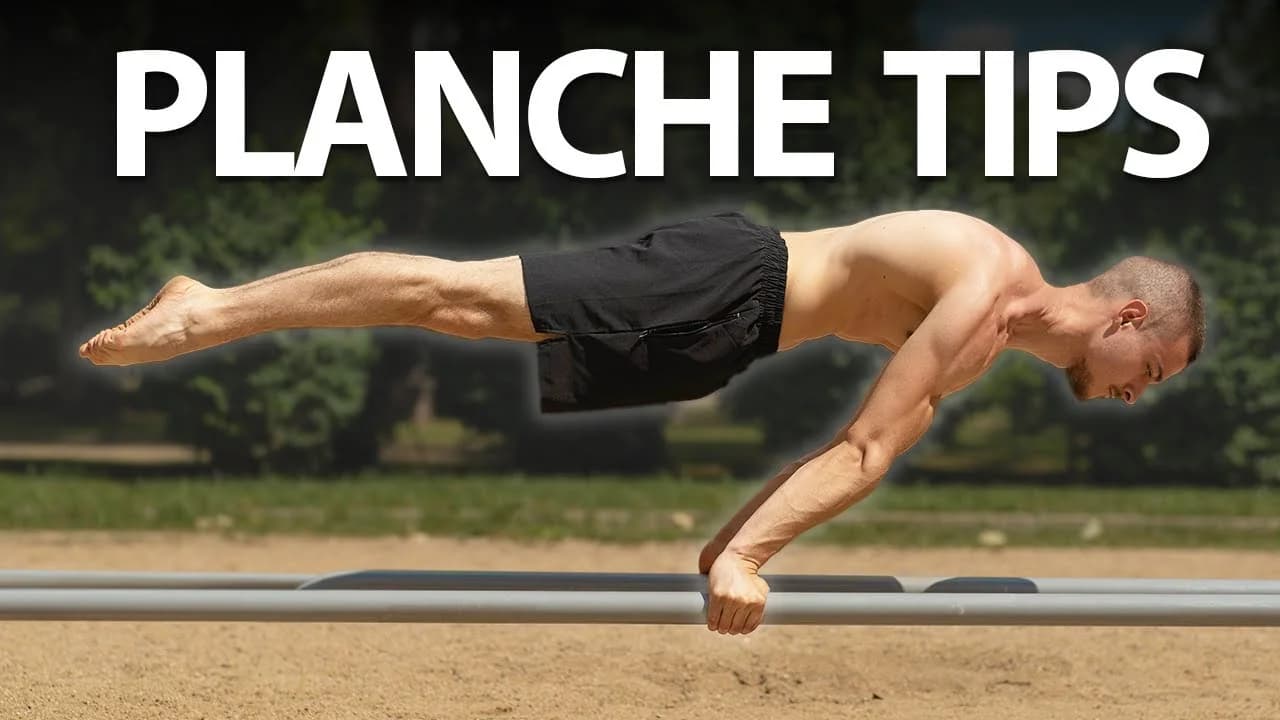
The planche is one of the most demanding straight-arm skills in calisthenics, and it's the one I get asked about the most. Holding your entire bodyweight parallel to the floor on nothing but your hands takes years, not weeks, and it needs strong shoulders, wrists, and a very solid core. It sits at the advanced end of straight-arm training, built on top of basics like the handstand and straddle planche work. In this tutorial I cover the five exercises I still use today to keep improving my own planche, from the planche lean to the half lay planche. By the end you will know how to start working these into your own training.
Watch the Full Tutorial
What Is the Planche
The planche is a straight-arm strength skill where you hold your entire bodyweight parallel to the floor, supported only by your hands. There is no kip, no swing, and no momentum to hide behind. Your shoulders, wrists, and core have to hold the position under constant tension, which is why it takes so long to build.
It is my favorite skill and the one I consider my strongest. I like playing with different planche variations once I have them, but getting there took years of building the right strength first. Even now, with the skill in place, I still use supporting exercises to keep progressing rather than only practicing the planche itself.
Prerequisites
You do not need a full planche to start these exercises, but you do need a base level of straight-arm strength and shoulder control before they will feel productive rather than just hard. Based on what these five exercises demand, here is what I would want in place first:
- A straddle planche lean you can hold with straight elbows and good shoulder extension
- A freestanding handstand practice, even if it is not yet perfect
- Wrists and shoulders that can tolerate straight-arm loading without pain
- Willingness to train consistently rather than chase quick progress
How to Do These 5 Planche Exercises
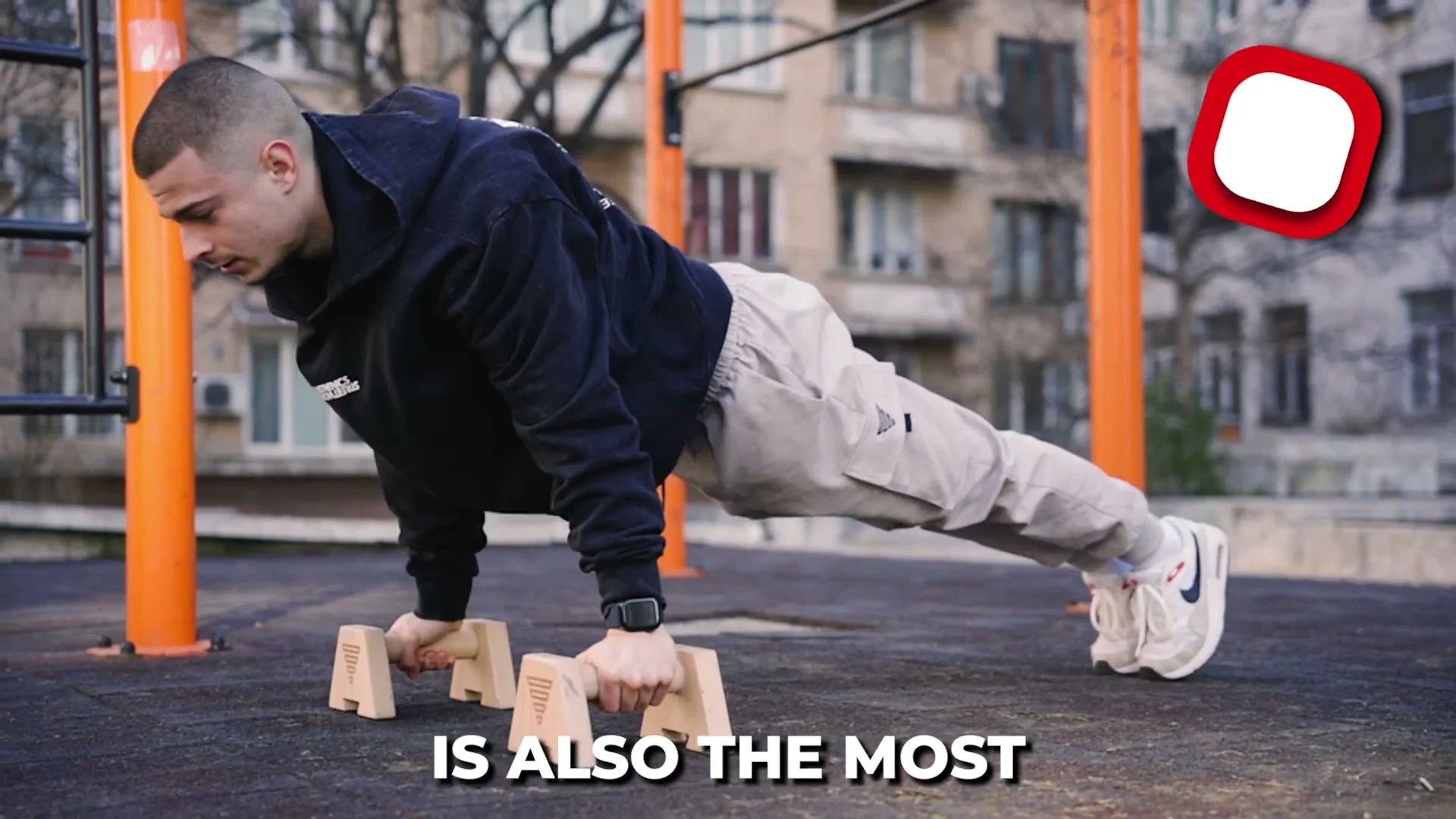
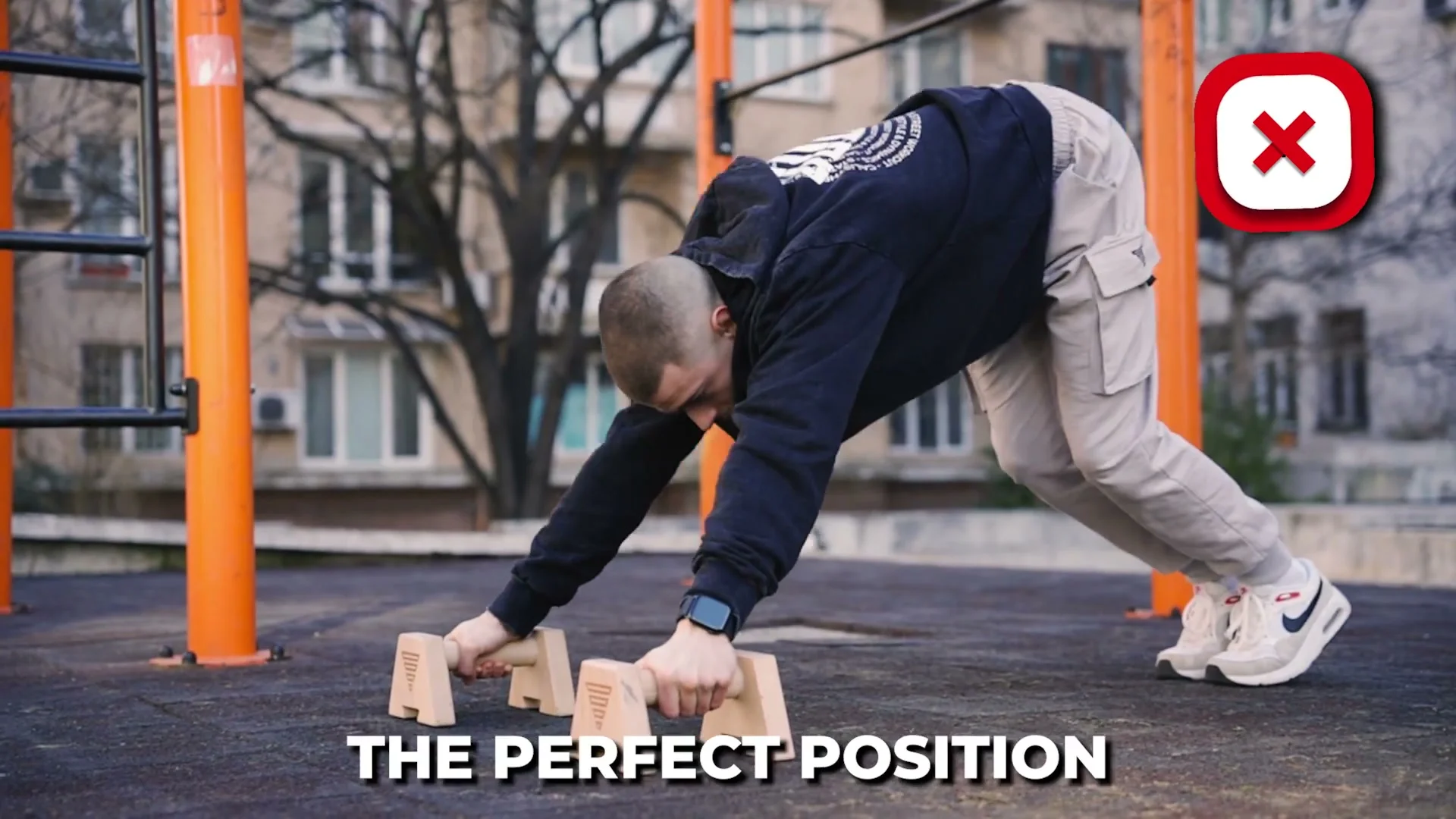
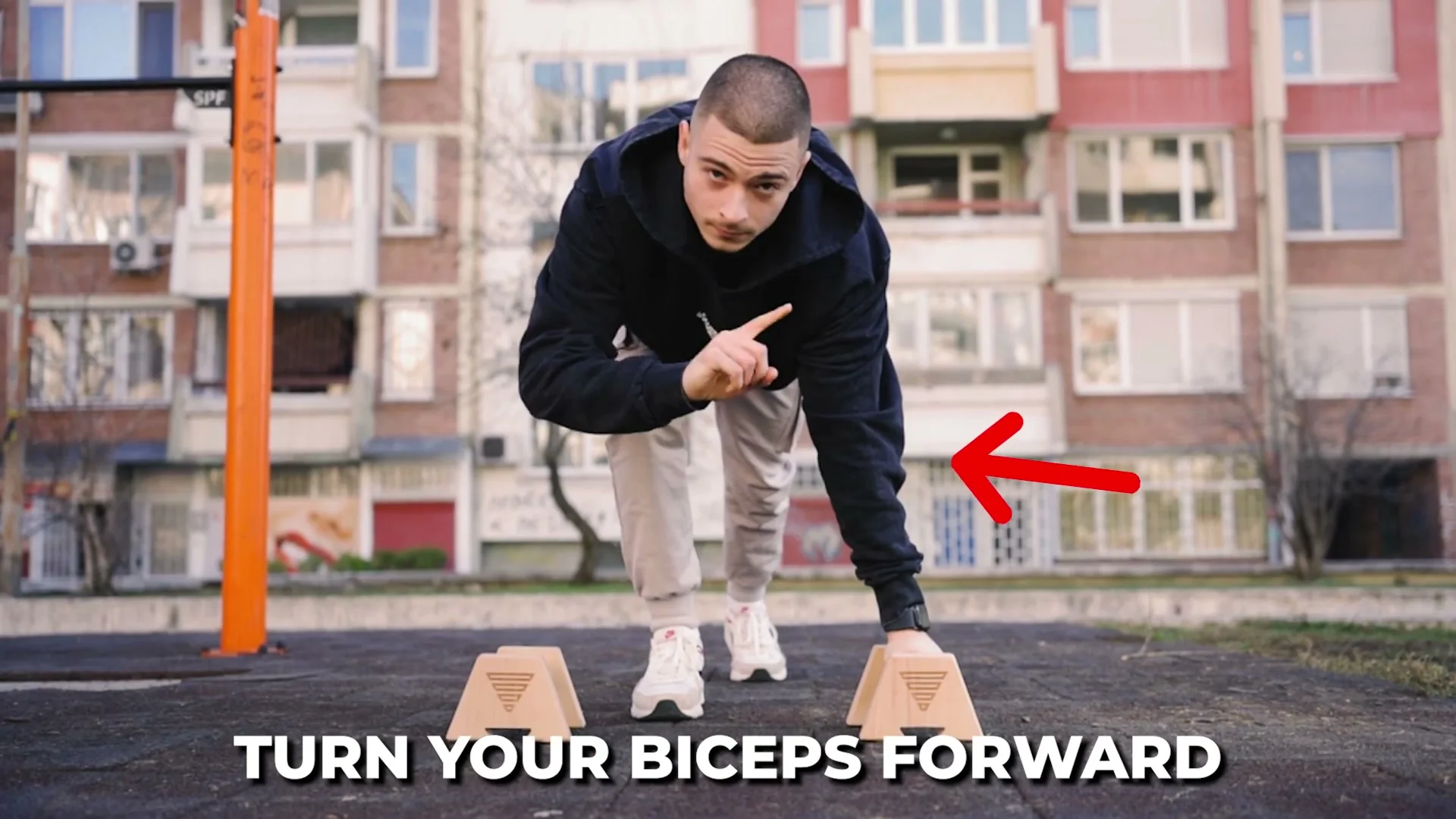
Planche lean. This looks simple but it is not an easy variation if you do it properly. Use a normal grip, not too wide and not too narrow, so you can lean forward without strain. Extend your shoulders into the correct position, keep your body in a straight line, and turn your biceps forward with your elbows locked straight throughout.
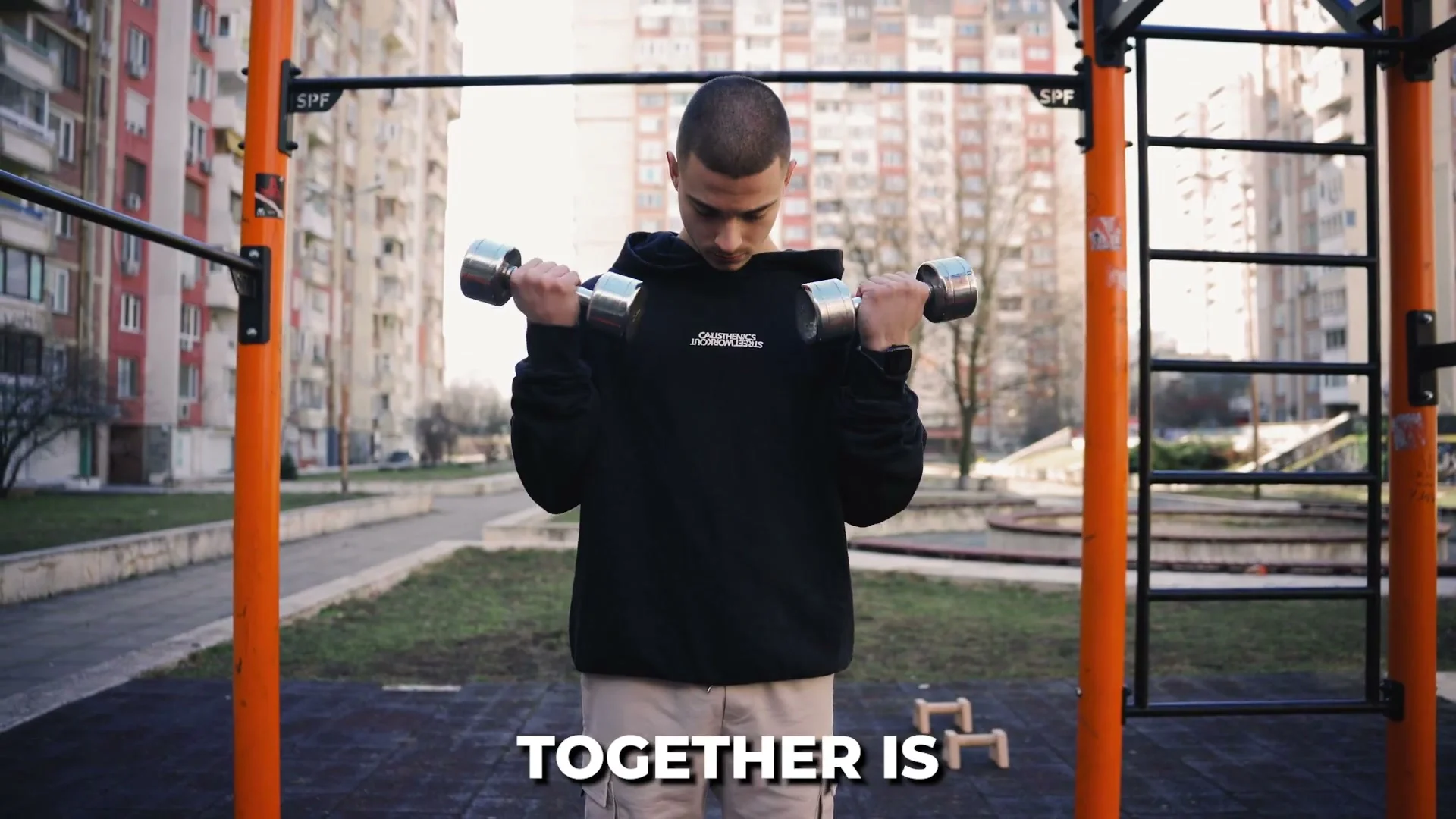
Bicep curls. These build the arm strength that supports every other planche variation, and they help no matter your current level. Rotate your hands through different grips: both together in a supinated grip, one at a time supinated, and one at a time pronated. Keep your body straight the entire time instead of letting your hips sag.
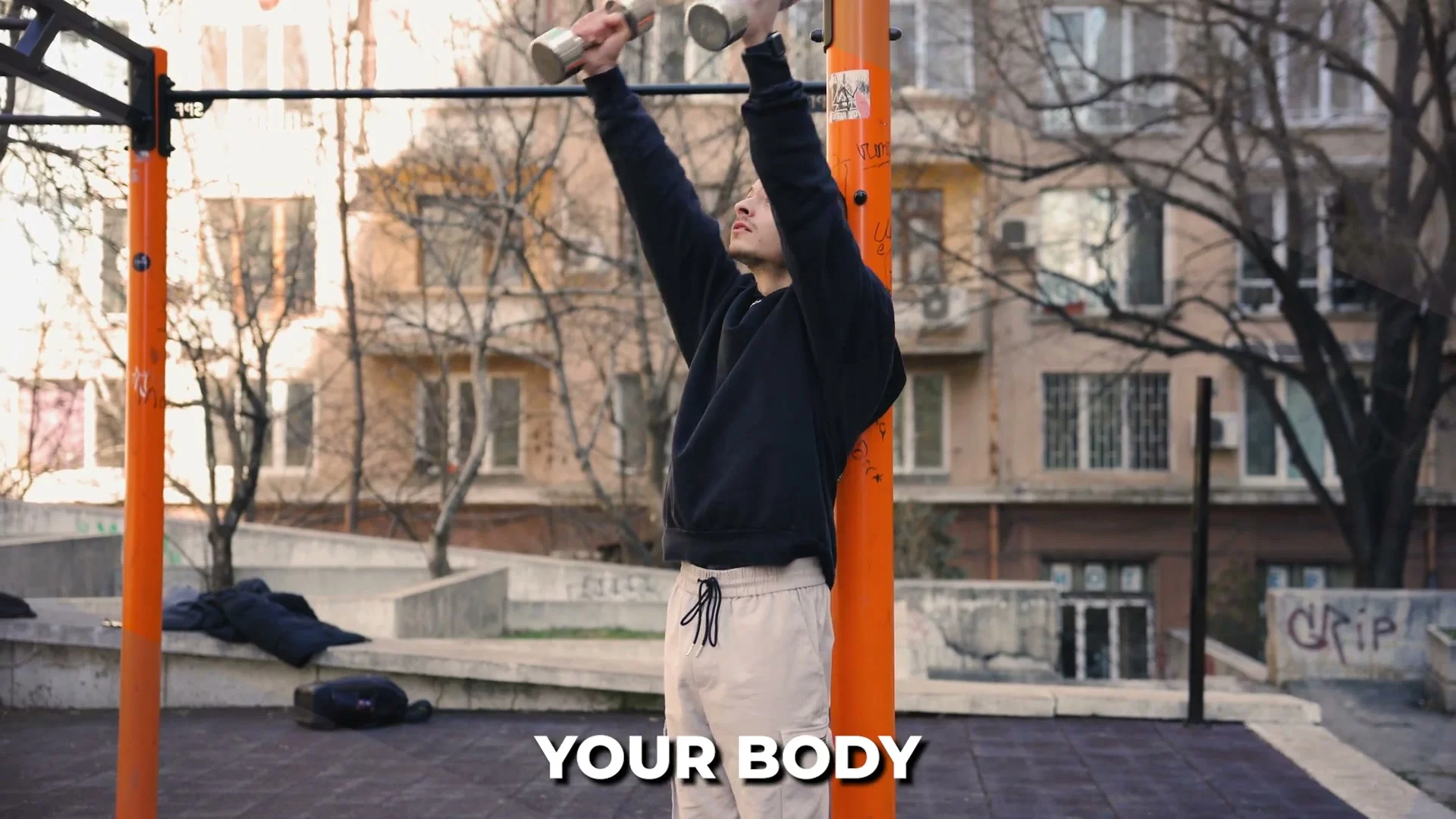
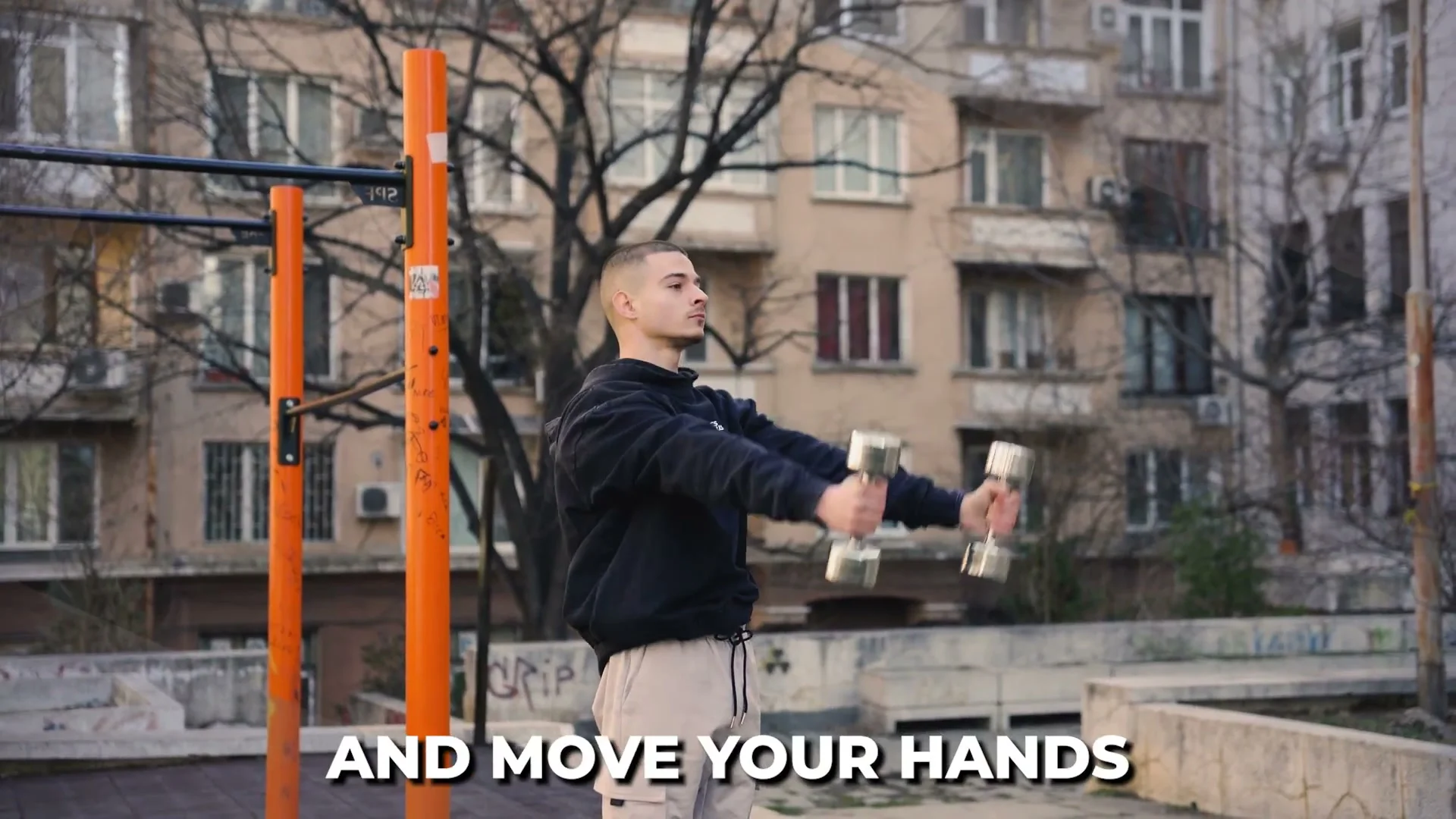
Dumbbell raises. This is one of my personal favorites. Keep your body straight and raise both arms together, moving with control rather than speed, and extend your shoulders fully at the top. If balance is hard at first, do the movement with your back against a wall. As a bonus variation, you can also hold a supinated position at the top instead of moving through reps.
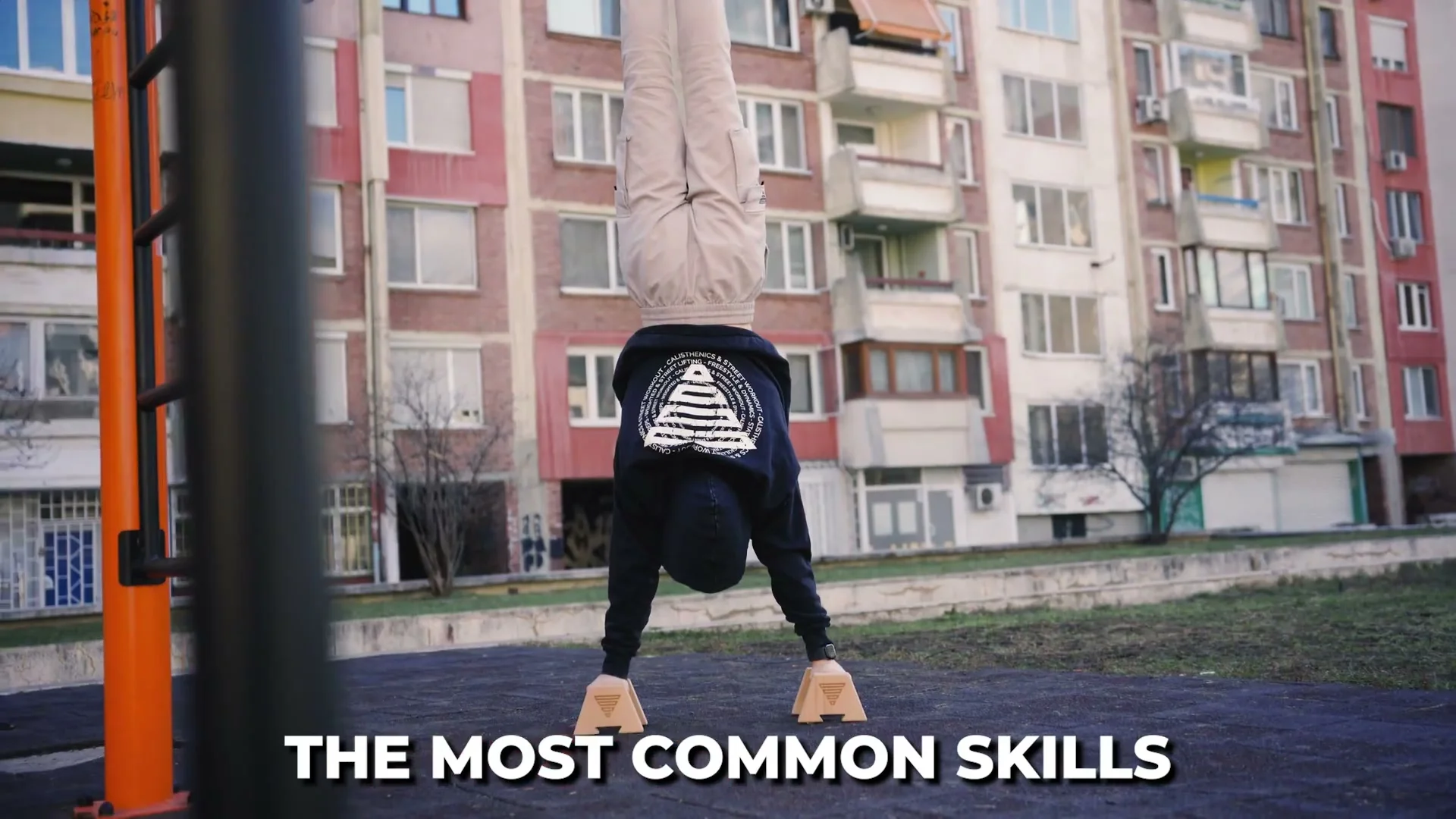
Handstand. The handstand is one of the most common skills in calisthenics, but it carries directly over to your planche work. I follow three rules every time: keep your legs straight, keep your elbows straight, and extend your shoulders while pushing your head between your biceps.
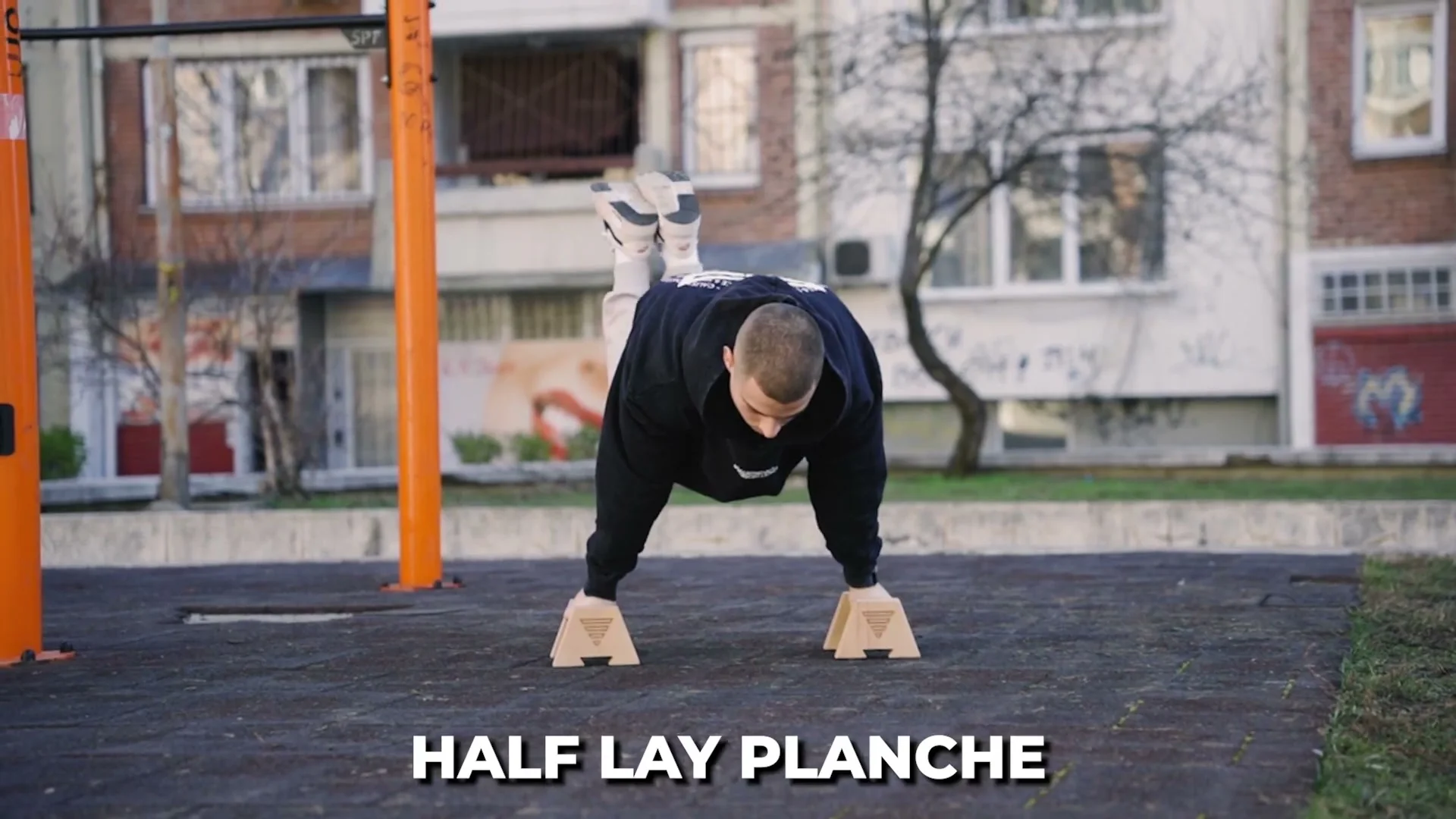
Half lay planche. If you are working toward moving from a straddle planche to a full planche, this is the variation to add. A lot of people skip it, but it is the actual bridge between the two. Training it directly closes the gap that straddle work alone leaves open.
Progression: Building These Exercises Into Your Planche Training
Key Takeaway
These five exercises are not random accessory work, they build on each other. The lean sets your shoulder position, the curls and raises build the arm and shoulder strength to hold it, and the handstand and half lay planche carry that strength into skills closer to a full planche.
Stage 1: Master the Planche Lean
Start here before adding load elsewhere. Get the grip right, lock your elbows straight, and hold the shoulder extension until leaning forward feels controlled, not shaky.
Stage 2: Build Supporting Strength
Add bicep curls and dumbbell raises into your week. These build the arm and shoulder strength that a planche lean alone will not fully develop, and they are useful at any level.
Stage 3: Lock In Shoulder Position With the Handstand
Bring the handstand into your routine using the same three rules: straight legs, straight elbows, shoulders extended. This carries directly into the shoulder position you need for a planche.
Stage 4: Bridge the Gap With the Half Lay Planche
Once your straddle planche lean is solid, add half lay planche training to start closing the distance to a full planche. Treat it as its own skill, not just a harder straddle hold.
If you want a coach checking your form on these variations directly, that is exactly what I do through online coaching.
Common Mistakes
Mistake: Wrong Grip Width on the Lean
Gripping too wide or too narrow on the planche lean throws off your shoulder position before you even start leaning. Keep it in the middle, in a normal grip, so the lean loads your shoulders correctly.
Mistake: Bent Elbows
Bent elbows show up in the lean, the curls, the raises, and the handstand alike. Straight elbows are not optional in any of these five exercises. They are what keep the load on your shoulders and arms instead of leaking out through your joints.
Mistake: Rushing the Dumbbell Raises
Moving the dumbbells up too fast turns a strength exercise into a momentum exercise. Slow the raise down and extend your shoulders fully at the top to get the benefit.
Mistake: Skipping the Half Lay Planche
A lot of people jump straight from a straddle planche lean to attempting a full planche and get stuck. Skipping the half lay planche leaves a gap in your training that only that variation actually closes.
Training Tips
Rotate your grip on the bicep curls between sessions rather than always doing the same variation. Supinated, one arm at a time, and pronated each load the arm slightly differently, and all of them support the planche.
Do not chase the planche itself every session. Rotate through these five exercises across your week so your shoulders, arms, and core all get direct work, not just whatever the planche demands on a given day.
Frequently Asked Questions About the Planche
What is the best exercise to improve my planche?
There is no single best exercise. I use a combination of the planche lean, bicep curls, dumbbell raises, the handstand, and half lay planche work, because each one targets a different part of the strength the full skill needs.
Do I need to be able to do a handstand before training planche?
You do not need a perfect handstand, but handstand training helps because it reinforces the same shoulder extension and straight-elbow position the planche requires. I still train it alongside my planche work.
What is a half lay planche?
It is a planche variation that sits between the straddle planche and the full planche. Many people skip straight from straddle to full and struggle, when training the half lay directly bridges that gap.
How should I grip during a planche lean?
Use a normal grip, not too wide and not too narrow. A grip that is too far to either side pulls your shoulders out of the position you need to lean forward safely.
Why do bicep curls help with the planche?
They strengthen the arms in a way that supports every planche variation, regardless of your current level. Rotating through supinated and pronated grips also trains the arm from more than one angle.
How long does it take to build a planche?
It varies a lot by person and starting strength, and the source video does not give a timeline. What I can say is that it rewards consistency over intensity: be consistent, work smart, and the strength builds over time.

Daniel Hristov is a four-time calisthenics world champion and coach. He shares the exact methods he uses to train his own athletes.
More about Daniel →