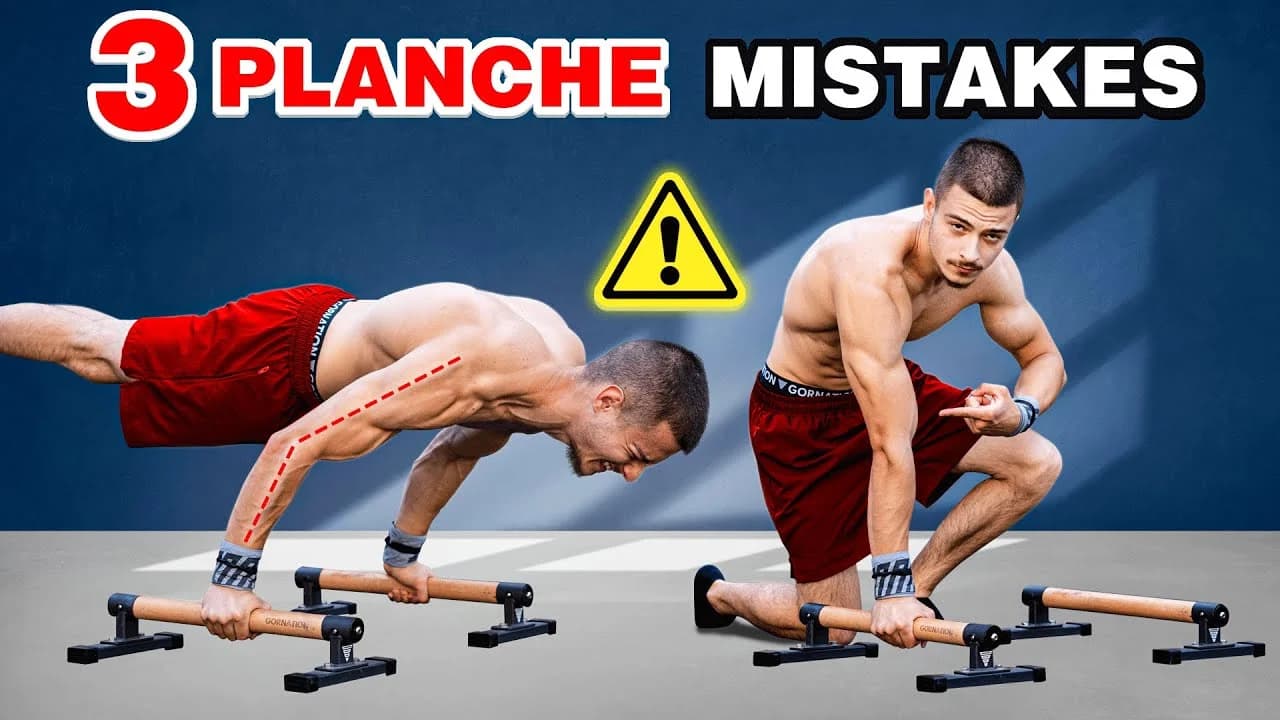
The planche is one of the hardest static holds in calisthenics, and it builds real shoulder, wrist and core strength once you get there. Most beginners are nowhere near ready for it, and even fewer train it with clean form, which is why progress stalls or elbows start hurting within a few weeks. It sits later in the calisthenics progression, well after you have built a solid pressing and core base. In this tutorial I cover the three mistakes I see most often in beginners, skipping the basics, bending the elbows, and using resistance bands wrong, plus how to actually structure your training from zero. By the end you will know how to start training the planche the right way.
Watch the Full Tutorial
What Is the Planche
The planche is a straight body hold where you support your full bodyweight on your hands alone, feet off the ground, body parallel to the floor. There is nothing helping you balance, no wall, no lean, just your shoulders, arms and core holding the position under full load.
To get there you need real pressing strength, strong wrists and a core that stays rigid instead of piking or sagging. You also need to understand the lean position, because leaning your shoulders forward past your hands is what creates the balance point for the whole skill. Get the lean wrong and nothing after it works.
Prerequisites
Before you touch planche specific holds, build a base level of pushing strength first. I recommend push-ups, dips, handstand push-ups and planche leans as your basics, and I recommend training them for quality, not for reps. Skipping this step is the most common mistake I see in beginners, and it does not just slow your progress, it also raises your risk of injury, especially in the shoulders and elbows.
- Strict push-ups with full range of motion
- Dips with control on the way down
- Handstand push-ups or a solid handstand hold
- Planche leans held with good form, not just for time
How to Do the Planche
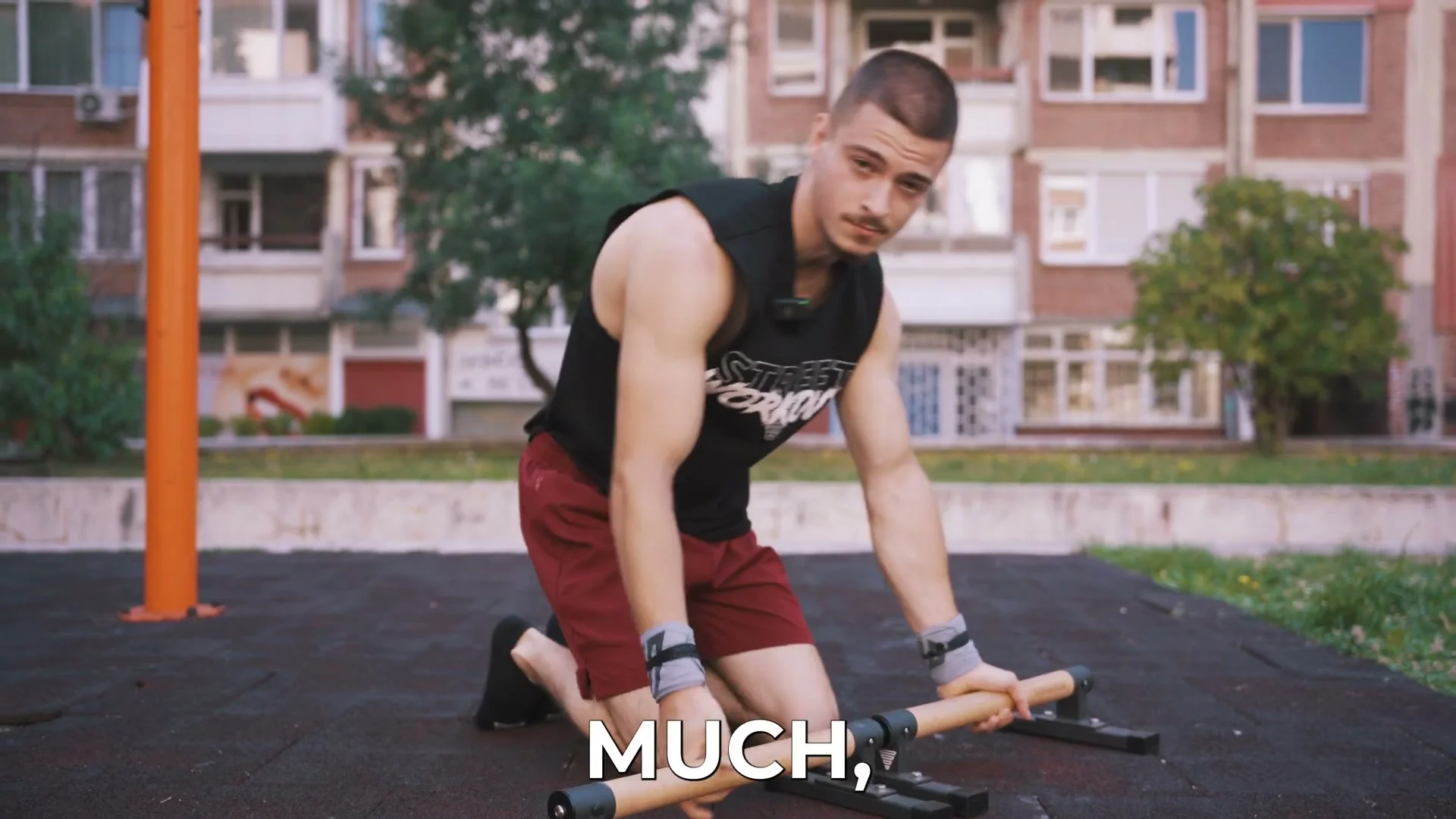
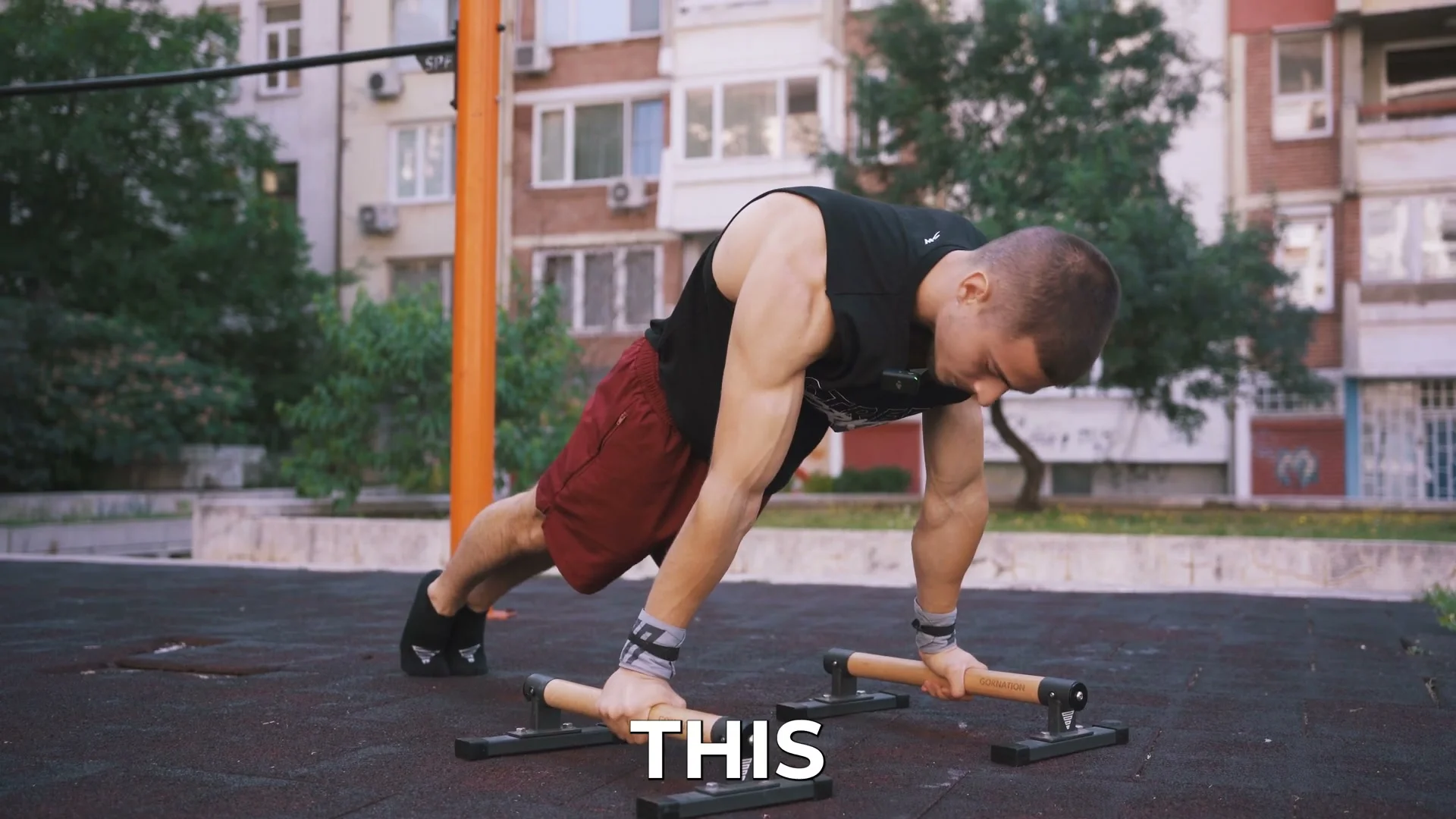
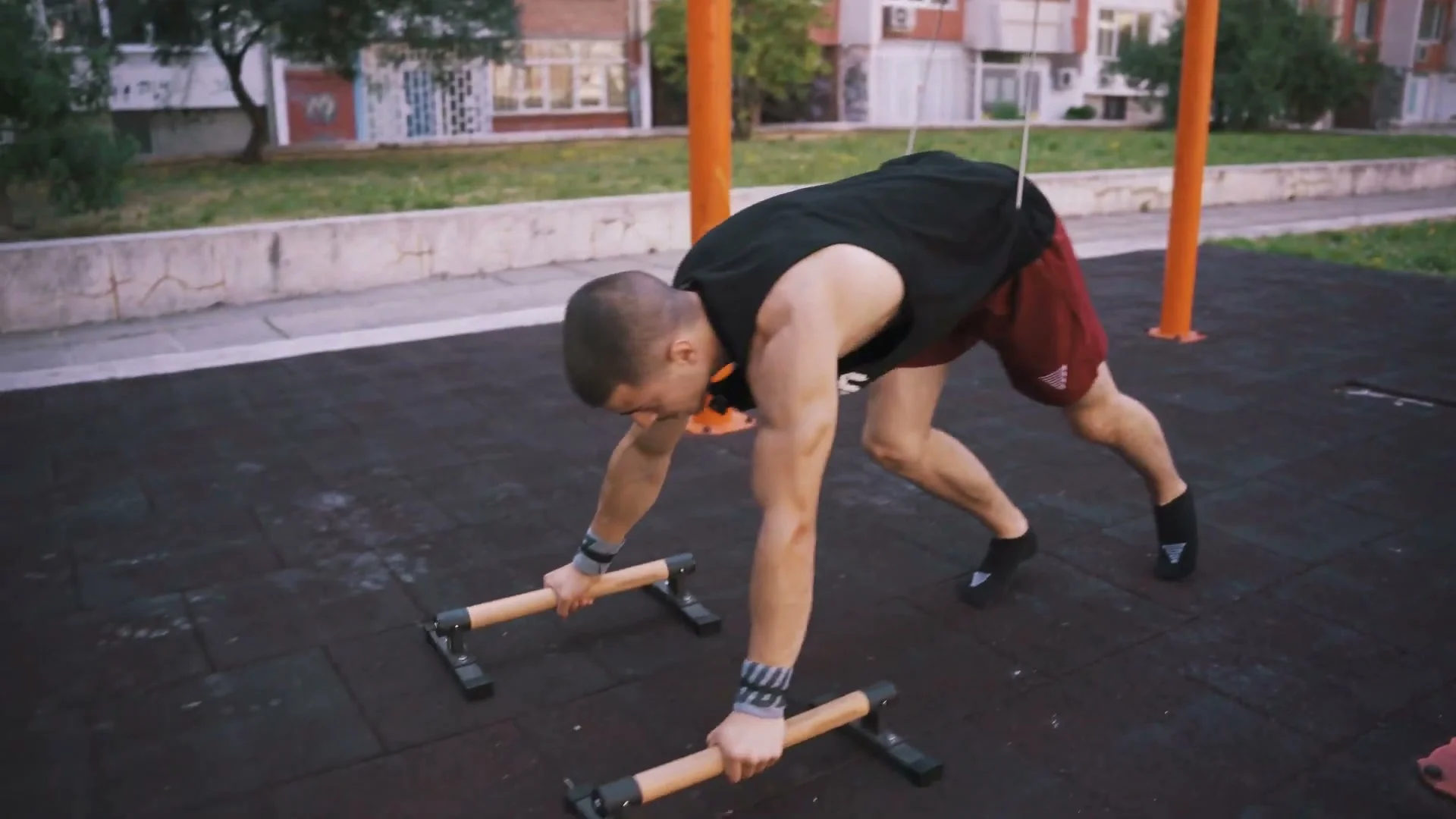
Start from the lean position, not from tuck. From lean you can actually feel the skill working. Turn your biceps forward and push your shoulders forward and down, rather than just resting your weight on straight arms. That protraction is what takes the load off your biceps and puts it where it belongs, in your shoulders.
Key Takeaway
Locked elbows and forward-turned biceps are what separate a planche that builds your shoulders from one that quietly wrecks your elbows. Get the lean right on parallettes before you add any resistance band, and the rest of the progression gets much easier to clean up.
Keep your elbows completely locked. Bent elbows are one of the worst mistakes you can make on the planche, because they dump pressure straight into your biceps and take your shoulders out of the movement. This matters even more if you are working in a supinated hand position, where the biceps already take on more load. Lock the elbows, extend the shoulders, and you will feel the difference immediately.
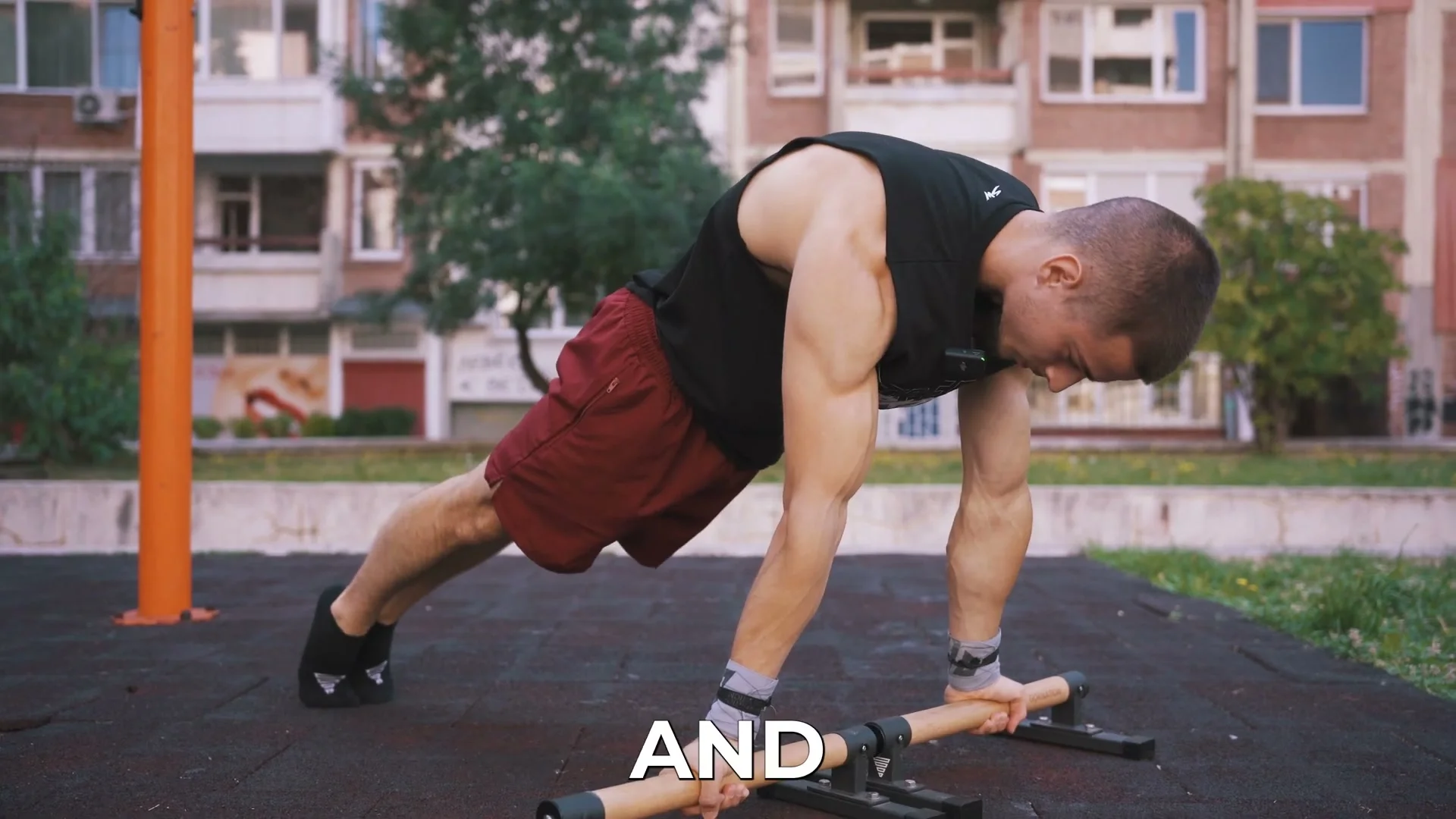
Use parallettes rather than the floor when you are starting out. Planche on the ground is harder on the wrists, and parallettes let you keep a straighter wrist angle while you build the strength to hold the lean.
Progression: From Zero to Planche
Stage 1: Basic Strength
Build your foundation with push-ups, dips and handstand push-ups. This is not optional. It protects your joints for everything that comes after it.
Stage 2: Planche Lean
Work the lean position on parallettes. Protract your shoulders, lock your elbows, and focus on the feeling of pushing the ground away rather than just leaning on straight arms.
Stage 3: Tuck Planche
Bring your knees toward your chest and hold with straight arms. If your tuck planche is close but the form breaks down, a light resistance band, around 10 kg, can support you while you clean it up.
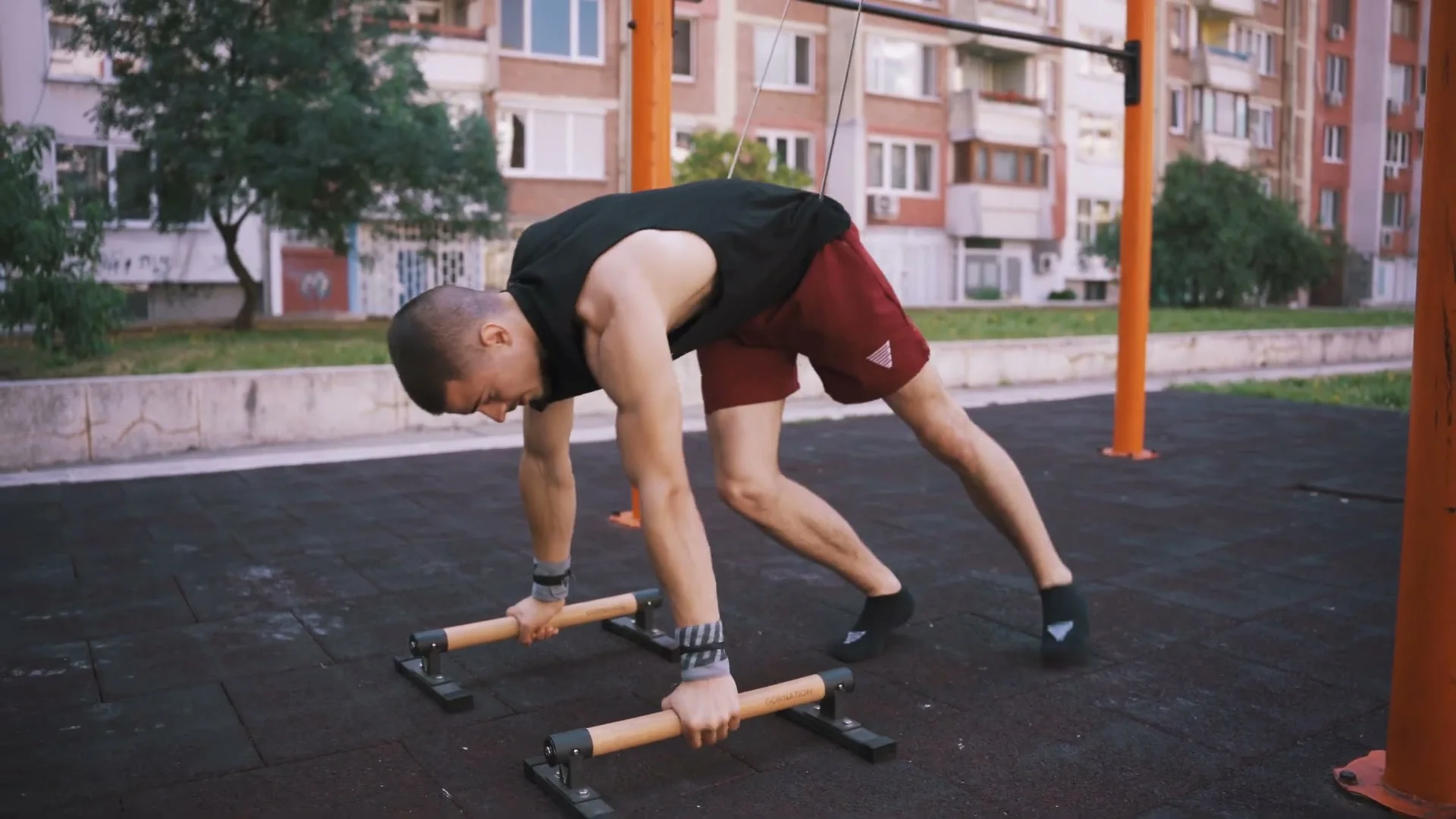
Stage 4: Straddle Planche
Once your tuck is solid, open your legs into a straddle. If you are just starting this stage, a heavier band, around 20 to 25 kg, helps you understand the position without collapsing.
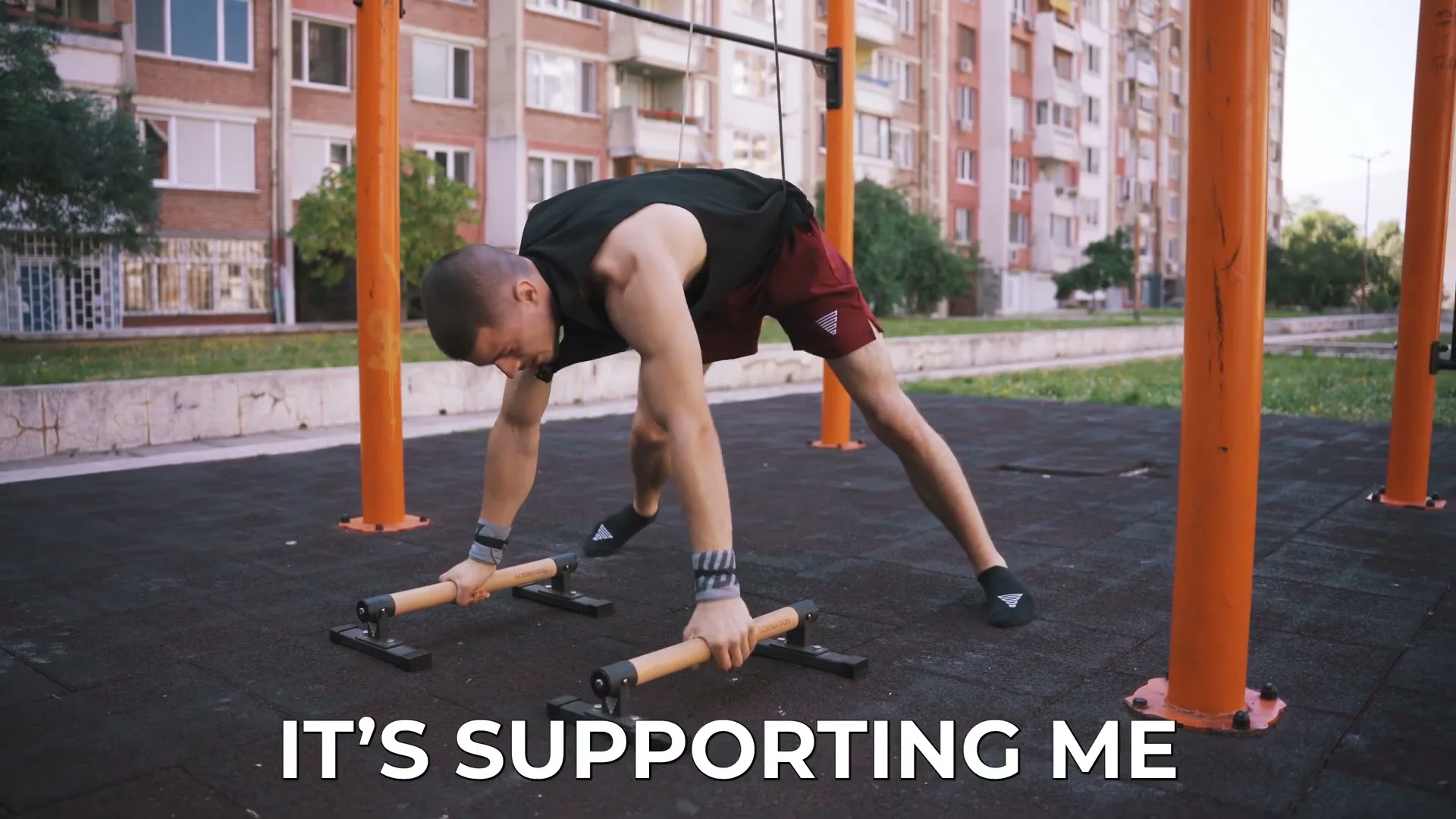
Stage 5: Full Planche
Close your legs together once your straddle planche holds with good form. This is the same lean, the same shoulder protraction, just with more of your bodyweight to control.
Common Mistakes
Mistake 1: Skipping the Basics
This is the most common mistake I see. Basics like push-ups, dips and planche leans are not just there to build strength, they protect you from injuries that can affect you months or years later. It does not matter if you are a total beginner or already at an intermediate level, do the basics with quality, not just volume.
Mistake 2: Bending Your Elbows
Bending your elbows cuts your potential and puts you at real risk of injury. When you bend your elbows in the lean, the pressure goes straight into your biceps instead of your shoulders. Turn your biceps forward, push and extend through your shoulders, and lock your elbows. That single change takes pressure off your biceps and puts your shoulders to work the way they should be.
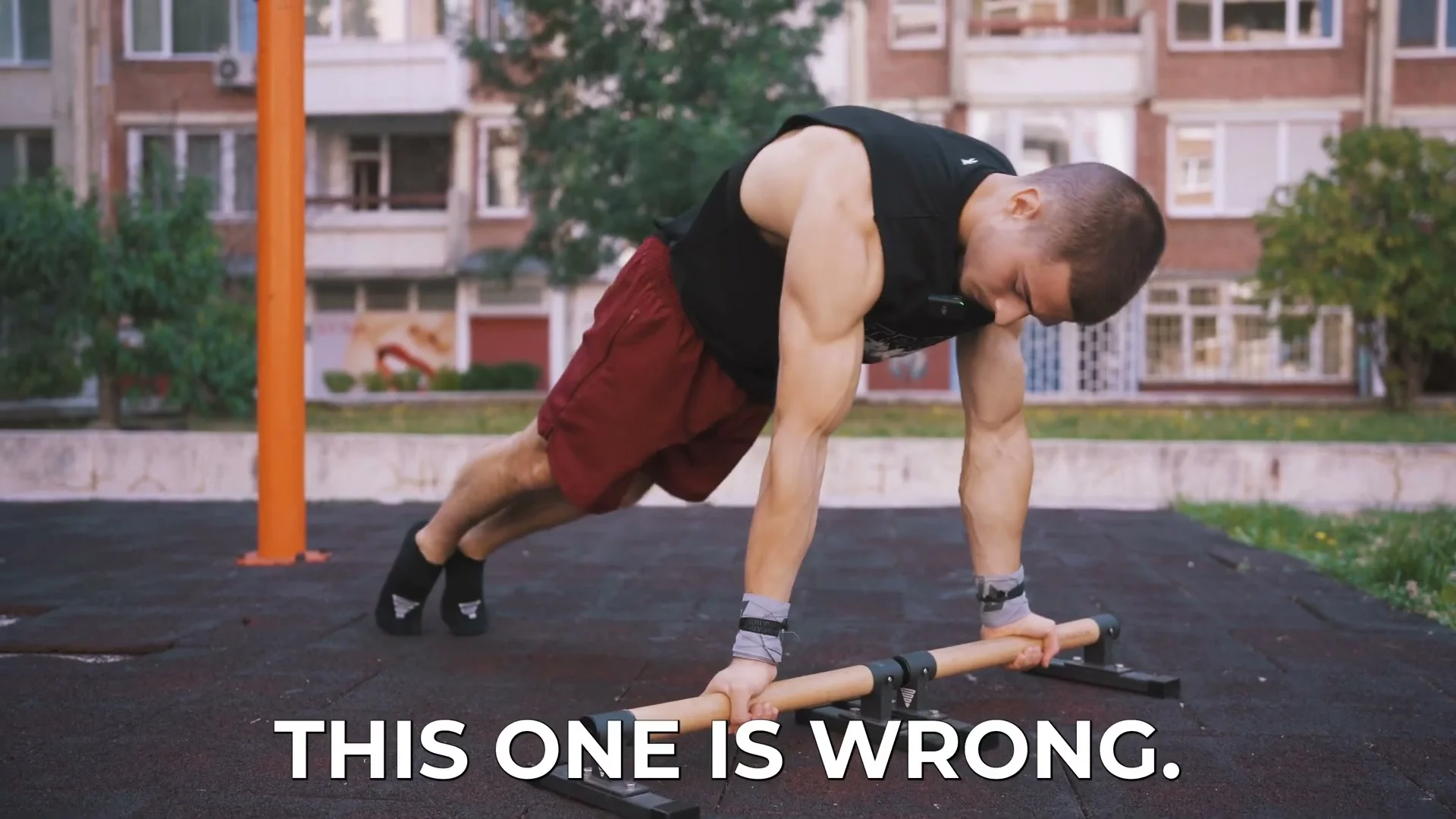
Mistake 3: Using Resistance Bands the Wrong Way
Two things go wrong here. First, people use bands that are too heavy or too light for their level. Trust your body and pick a band that matches where you actually are, light if your tuck planche is close but breaking down in form, heavier if you are just starting a straddle planche. Second, people place the parallettes wrong relative to the band. Too far forward and the band pulls you backward. Too far back and it is not effective and does not really support the position. You want to be positioned slightly forward under the band, not directly under it, so the band supports the actual planche line instead of fighting you.
Mistake 4: Rushing Straight to Straddle or Full Planche
Jumping stages because you are impatient is its own mistake. If your tuck planche form is not clean, a straddle or full attempt just trains bad habits with more leverage against you. Earn each stage with good form before you open your legs further or close them together.
Training Tips
Train the lean and the basics before you ever load a full planche attempt. Quality reps on parallettes teach your shoulders the position long before your strength is the actual limiter.
Use the resistance band as a tool to feel the position, not as a crutch to fake it. If you cannot hold a lighter band cleanly, drop back a stage rather than fighting through bad form with a heavier one.
Check your elbows on every single set. Bent elbows creep in slowly as you fatigue, so the mistake that ends your set is usually the same one that started weeks ago and just never got fixed.
Frequently Asked Questions About the Planche
How long does it take to learn the planche?
It depends entirely on your starting strength and how consistent you are with the basics. Beginners who skip push-ups, dips and planche leans tend to plateau early or get hurt, which slows things down far more than doing the basics properly ever would.
Do I need parallettes to train planche?
You do not strictly need them, but I recommend them for beginners. Training on the floor is harder on the wrists, and parallettes let you keep a straighter, more comfortable wrist position while you build the lean.
What resistance band weight should I use for planche training?
It depends on your level. For a tuck planche that is close but has bad form, a light band around 10 kg is usually enough to support you. For someone just starting a straddle planche, a heavier band around 20 to 25 kg helps you feel the position without collapsing.
Why do my elbows hurt when I train planche?
Bent elbows are almost always the cause. Bending the elbows shifts pressure into the biceps instead of the shoulders, and that pressure adds up fast, especially in a supinated hand position. Lock your elbows and push through your shoulders instead.
Should I start with tuck or straddle planche?
Start with the lean position first, then move into tuck once your lean is clean. Straddle comes after tuck is solid, not before. Jumping ahead just means training with worse form, which slows you down more than it speeds you up.
How do I know if my planche form is actually correct?
Check your elbows first, they should be locked, not bent. Check your shoulder position next, your biceps should be turned forward and your shoulders pushed forward and down. If you want a second pair of eyes on your specific form, that is exactly the kind of thing I look at during online coaching.

Daniel Hristov is a four-time calisthenics world champion and coach. He shares the exact methods he uses to train his own athletes.
More about Daniel →