
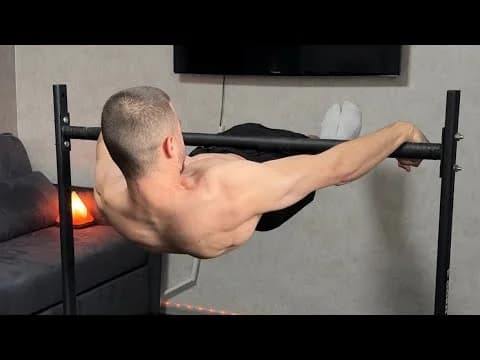
Planche and front lever combos are one of the hardest ways to test a static hold, stacking reps and transitions on top of a position most people struggle to hold once. This kind of training is not for beginners. You need a real full planche and front lever already, plus healthy shoulders and wrists to handle the volume. In this session I trained at home with my training partner Bronny, pushing each other through planche combos and front lever touch work. In this tutorial I cover what a static combo actually is, the prerequisites, the technique, and a full progression to build toward this kind of session. By the end you will know how to start training combo work safely.
Watch the Full Tutorial
What Is the Statics Grind Workout
Statics Grind is what I call a home session where I stack planche and front lever work into combos instead of training single isolated holds. In this one I trained with my training partner Bronny at home, using parallettes for the planche work and a bar setup for front lever. We warmed up and activated properly first, then moved into the static room and took turns pushing each other with harder combos.
A combo here means linking reps and holds together rather than just holding one static position and resetting. That can be a full planche held for a set count, a planche linked with a push-up, or a front lever rep where you touch the bar between each hold instead of dropping all the way down. It is advanced work built on top of holds we already have, not a way to learn planche or front lever from scratch.
Prerequisites
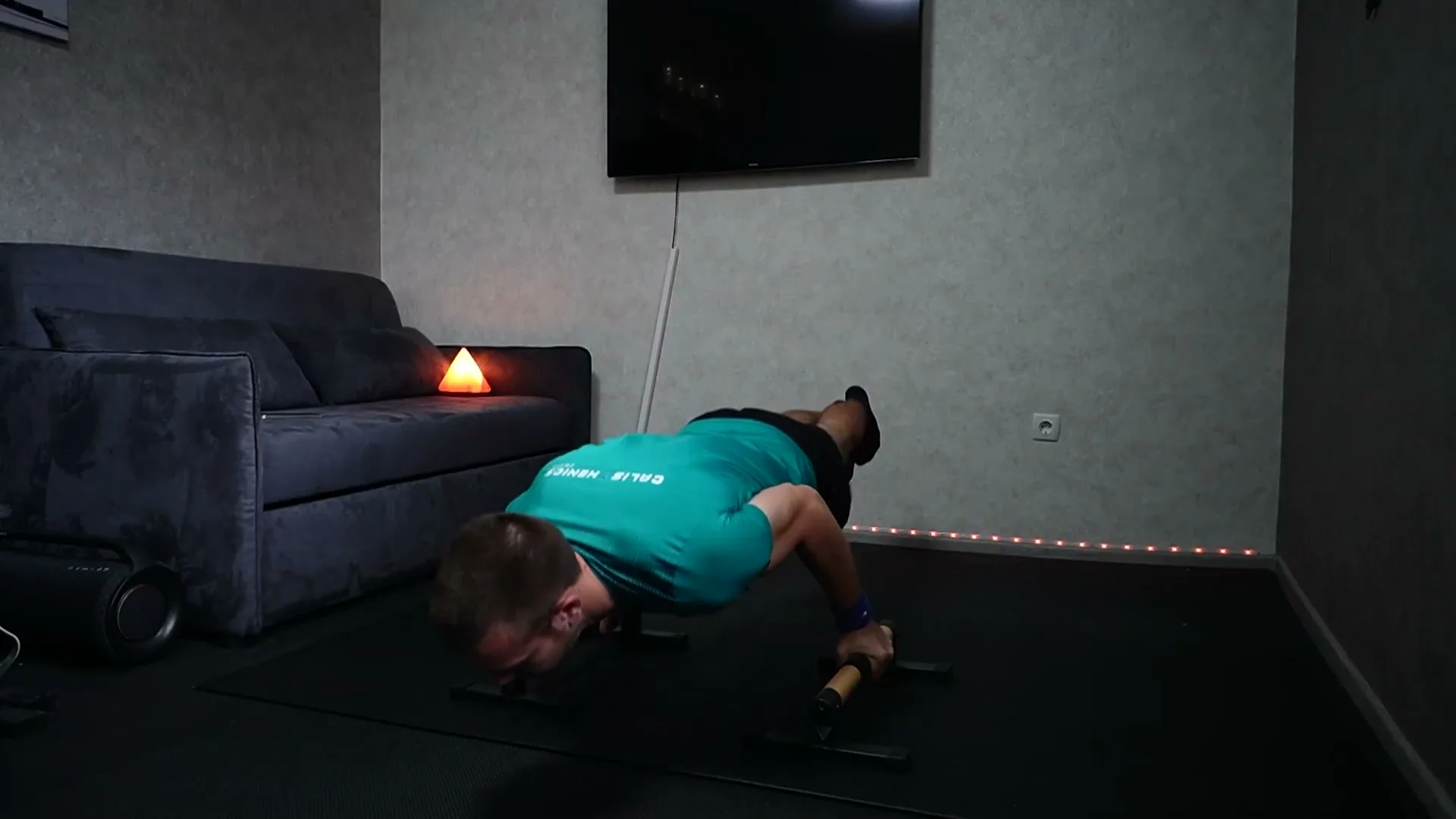
This session is not for someone still building a first planche or front lever. Bronny and I both already own those holds, so the whole point of the workout is stacking volume and variation on a base that is already solid. If you are earlier in your training, work on the base holds first, then come back to combo work like this.
- A full planche you can control, not just a straddle or tuck version
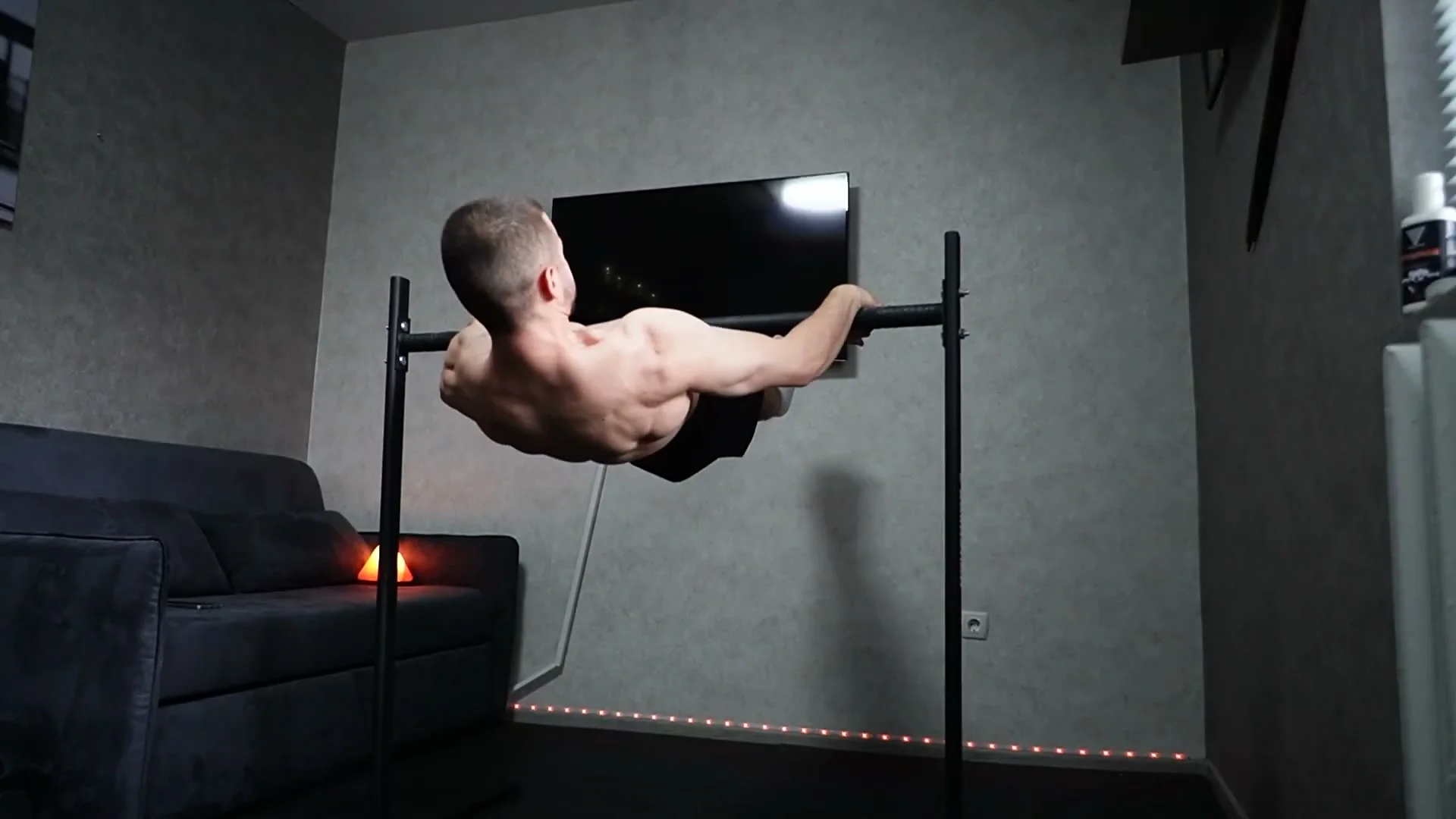
- A front lever you can hold with straight legs and locked shoulders
- Comfortable pull-up strength for touch reps and negatives
- Healthy wrists and shoulders for repeated parallette pressing
- Any old injuries managed, not ignored (I trained around a lower back issue the whole session)
How to Structure a Static Combo Session
Start with a proper warm-up and shoulder and wrist activation before you touch the parallettes. We did this before any static work, and skipping it is how you get hurt doing combo volume.
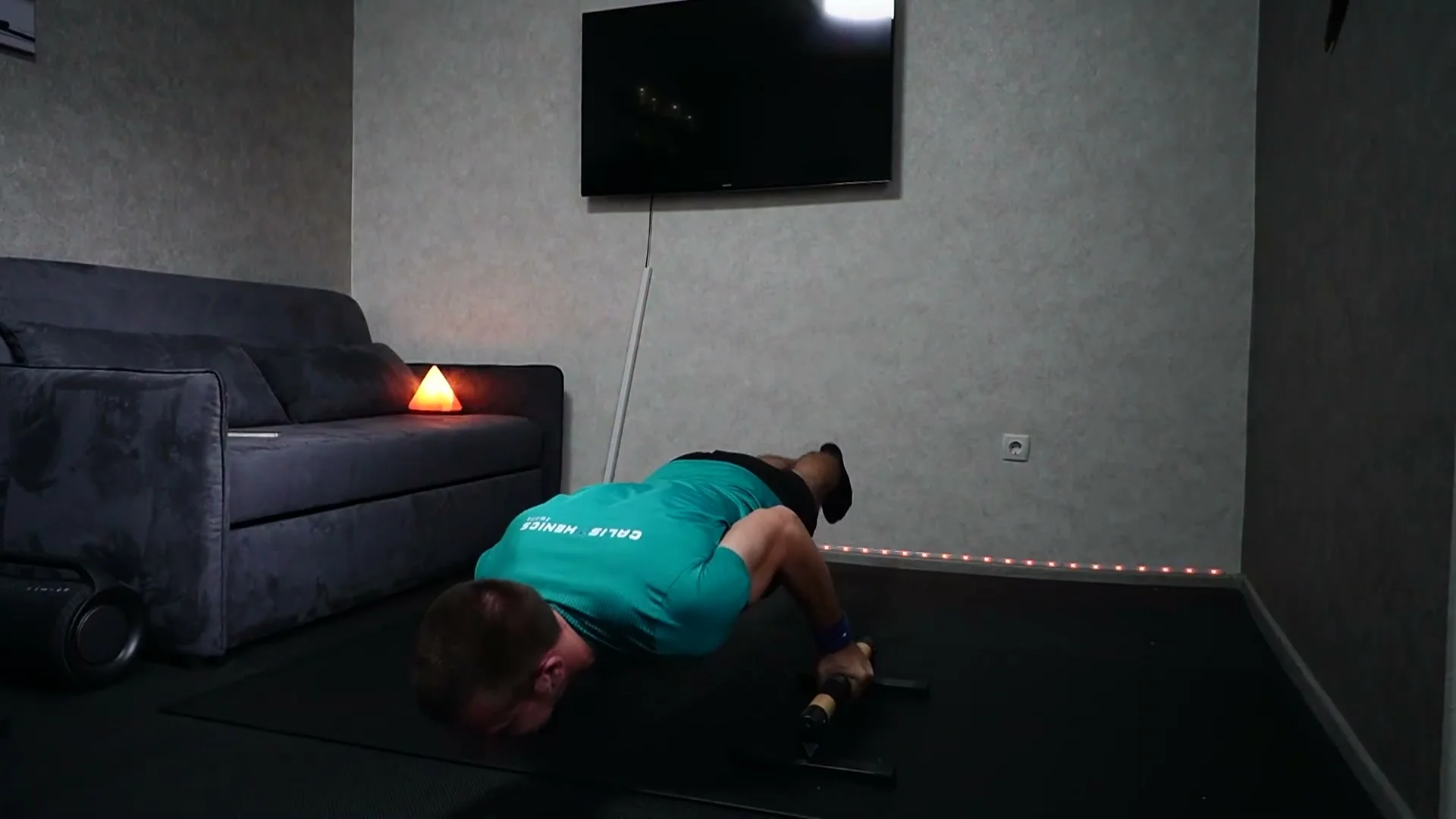
Split the session into two blocks. Do planche first while you are freshest, then move to front lever, or the other way around depending on what you are pushing that day. Inside each block, build the combo gradually. In planche, alternate full holds with pressing variations, adding a push-up or a side-to-side transition once the plain hold is solid, the way I added side push-ups after the harder volume sets.
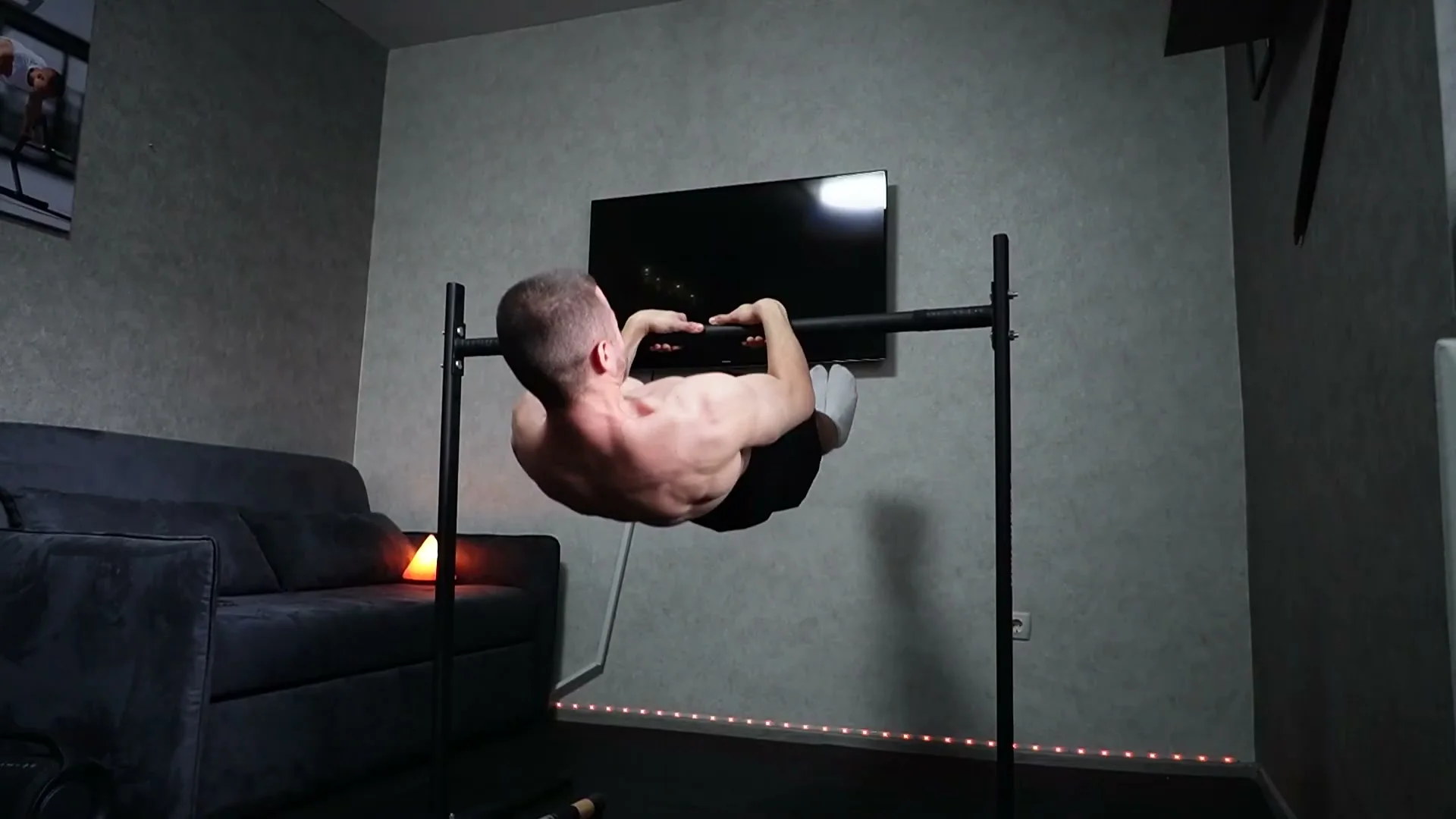
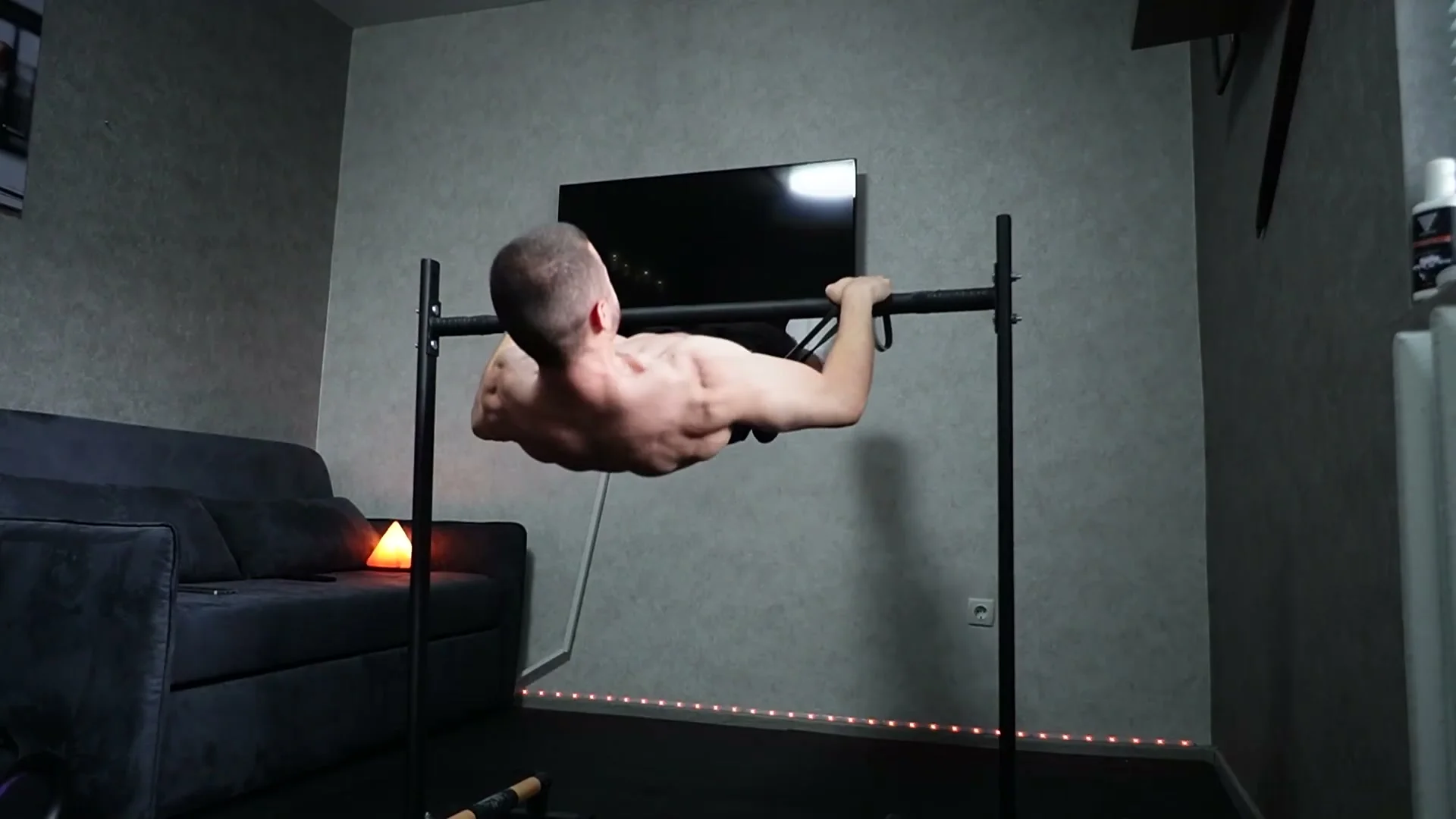
In front lever, use touch reps to add volume without losing tension: pull to a bent-arm touch of the bar, extend out to the lever, then reset to touch again for the next rep instead of dropping all the way to a dead hang. That is exactly how we built the three-touch front lever set and the pull-up to touch work Bronny did later.
Keep your shoulders protracted and locked in planche, do not let your hips sag, and in front lever keep your body flat. Watch your legs staying level with the bar rather than rising above it, something I had to stay strict on given my back.
Progression: From Zero to Static Combos
Key Takeaway
No one jumps straight into stacked combo volume. You build the base holds first, add touch reps for control, then link movements together one step at a time. Skipping straight to volume is how you grind through bad reps instead of building real strength.
These are the stages I work through to get to a session like this one, in order. Do not rush to the next one until the current stage feels controlled.
Stage 1: Build the Base Holds
Get a real full planche and a real front lever first, through whatever lean and tuck progressions get you there. Combo work assumes these holds already exist.
Stage 2: Add Touch Reps
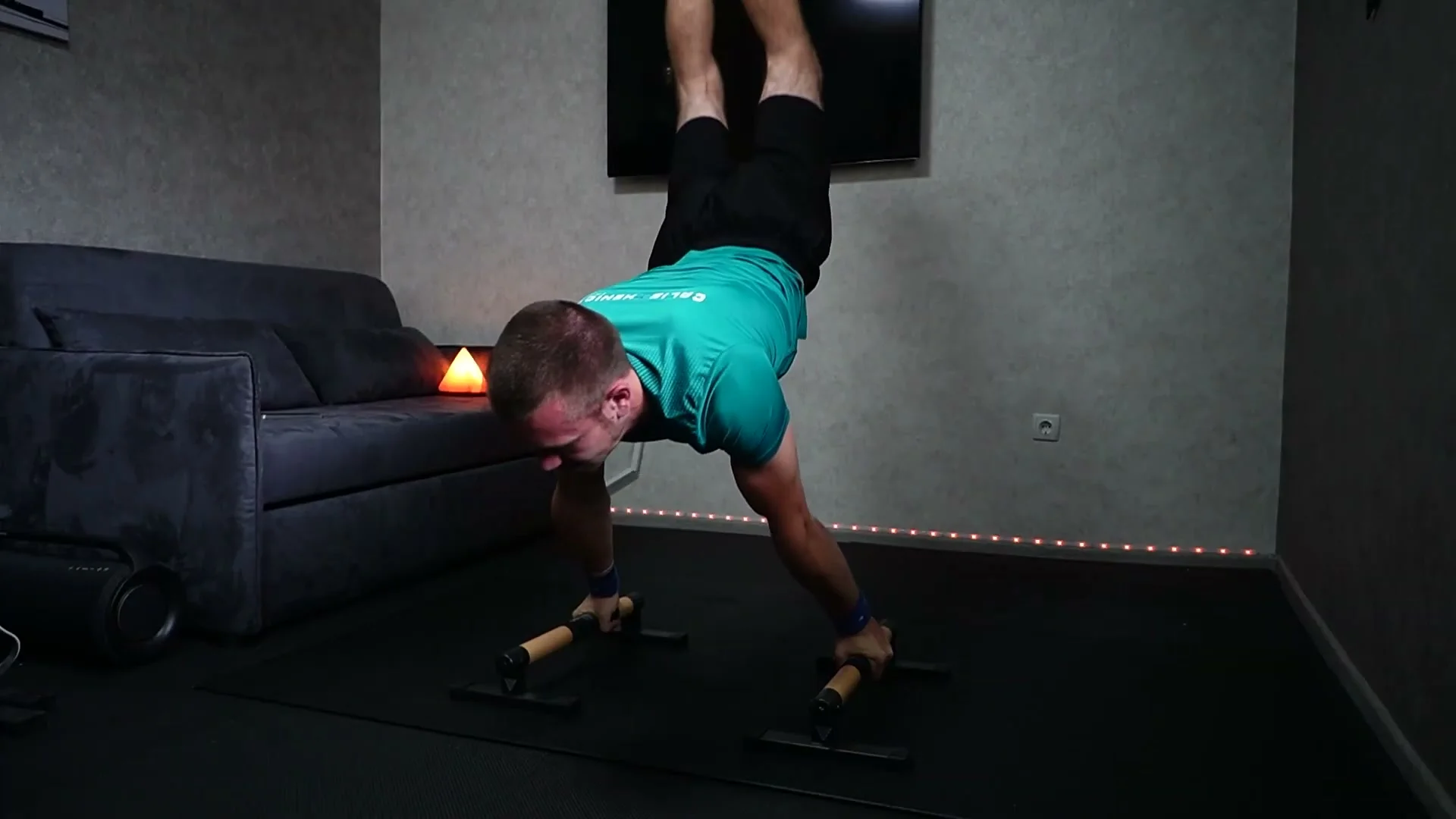
Once you have the holds, start doing rep work instead of only static time. Pull to touch on front lever, press to touch on planche, to build the strength that combos demand.
Stage 3: Link Two Movements
Combine a hold with one extra movement. A planche plus a push-up, a front lever plus a touch rep. This is where I did the 2-2-2 planche combo with push-ups in this session.
Stage 4: Build Volume Combos
Stack sets like the 6-6-6 and 8-8-8 planche combos Bronny worked through, or decreasing-volume front lever sets like the pull-up to touch work described in the structure section above. The goal is clean form under fatigue, not just surviving the last rep.
Stage 5: Add Variation and Partner Pressure
Bring in transitions like side-to-side push-ups in planche or a front lever into a side touch position, and train with a partner who pushes you the way Bronny pushed me and I pushed him.
Common Mistakes
Mistake: Chasing the Number Instead of the Form
Bronny said it himself before his 6-6-6 attempt, that it is hard to keep a volume combo clean in every aspect. Hitting the rep count with bad shoulder position or a sagging hold is not progress. Slow down before you add another set.
Mistake: Skipping Warm-Up and Activation
We did a full warm-up and activation block before any parallette work in this session. Static combo volume loads your shoulders and wrists hard, and skipping the prep is how that load turns into an injury.
Mistake: Ignoring an Old Injury
I could not arch my lower back in this session because of a previous injury, so I adjusted the front lever variations instead of forcing the full range. Train around what is actually healthy that day, not around what you did before you got hurt.
Mistake: Jumping Straight to Combos
Do not skip from a basic hold straight into stacked volume work. Build through single reps and touch work first, or you will grind through bad reps instead of building real strength. If you want a plan built around where you actually are, that is what my online coaching is for.
Training Tips
Train static combo sessions when you are fresh, not tacked onto the end of a normal strength day. The volume and the form standard both suffer if your shoulders are already fatigued going in.
Split planche and front lever into their own blocks rather than mixing sets randomly, and decide which one you are pushing hardest that day before you start. That focus is what let Bronny commit fully to his 6-6-6 and 8-8-8 attempts instead of splitting his energy.
Use a training partner if you can. Having Bronny push me with harder combos, and pushing him back, kept the volume honest in a way training alone rarely does. If a partner is not available, set the challenge for yourself in advance and write it down before you start the session.
Respect old injuries inside the session itself, not just in general programming. I adjusted my front lever range in real time because of my lower back, and that adjustment is what let me keep training instead of stopping altogether.
Frequently Asked Questions About the Statics Grind Workout
What is a static combo in calisthenics?
A static combo links holds and reps together instead of training one isolated position and resetting. Examples are a planche linked with a push-up, or a front lever where you touch the bar between reps instead of dropping to a full dead hang each time.
Do I need a training partner for this kind of workout?
You do not need one, but it helps. Bronny and I pushed each other with harder combos through the session, and having someone set a challenge kept the volume honest instead of me stopping early.
How often should I train planche and front lever combos?
This kind of session is demanding on your shoulders and wrists, so it should not replace your normal strength work every day. Treat it as a focused block once your base holds are solid and you have recovered from your last hard static session.
Can I do the Statics Grind workout at home?
Yes, this entire session was done at home using parallettes and a bar setup, no gym required. What you need is the equipment for planche and front lever work, not a full gym.
What if I have an old injury like a lower back issue?
Adjust the range and the variation instead of skipping training entirely. I could not arch my back in this session, so I focused on clean front lever touch work instead of the versions that needed more range.
How do I build up to combos like 6-6-6 or 8-8-8?
Start with single clean reps, then add touch reps for volume, then start linking two movements before you attempt a full stacked combo. Bronny had been working toward that 6-6-6 combo for a long time before trying it in this session.

Daniel Hristov is a four-time calisthenics world champion and coach. He shares the exact methods he uses to train his own athletes.
More about Daniel →