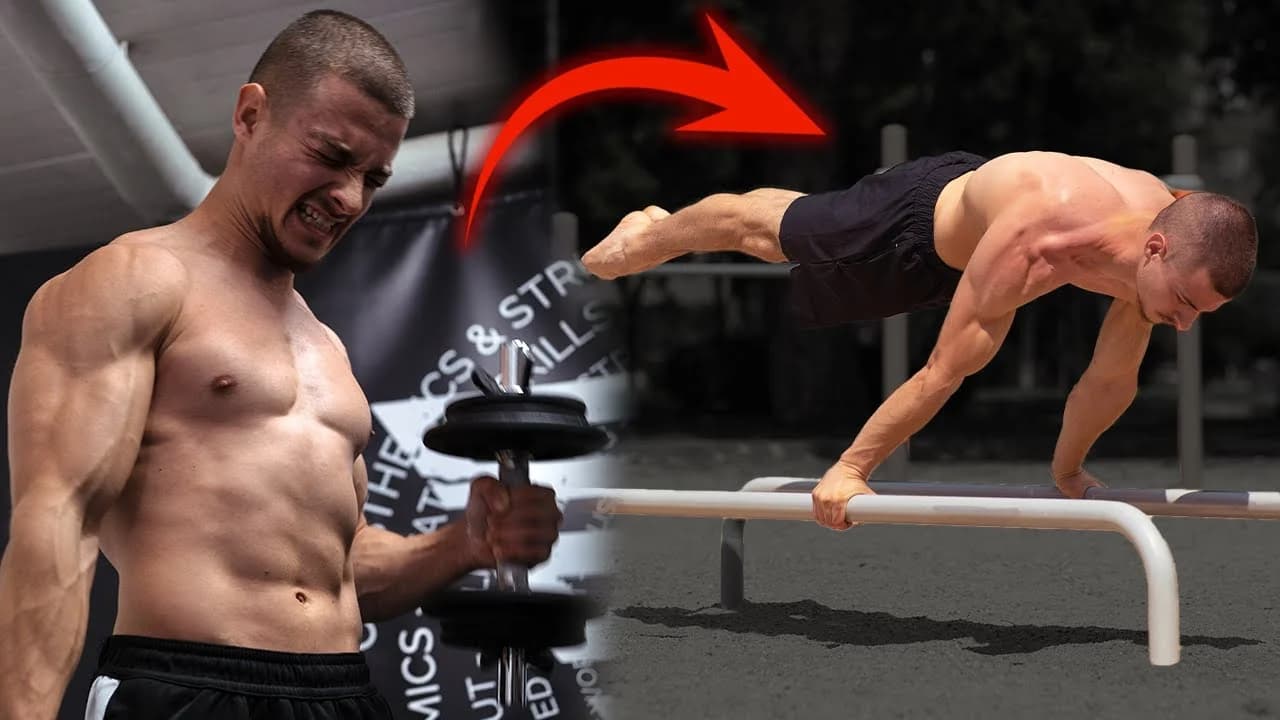
Can you build a planche or a front lever using only weighted workouts? I get asked this constantly, and the honest answer is no. These static skills demand months of bodyweight basics, specific isometric work suited to your own level, and most importantly, real time spent in the exact progression toward the skill. Weight training sits in the background at best. In this tutorial I cover what a static skill actually requires, the prerequisites before you start, and the stage-by-stage progression toward the planche. By the end you will know how to start training it the right way.
Watch the Full Tutorial
What Is a Static Skill
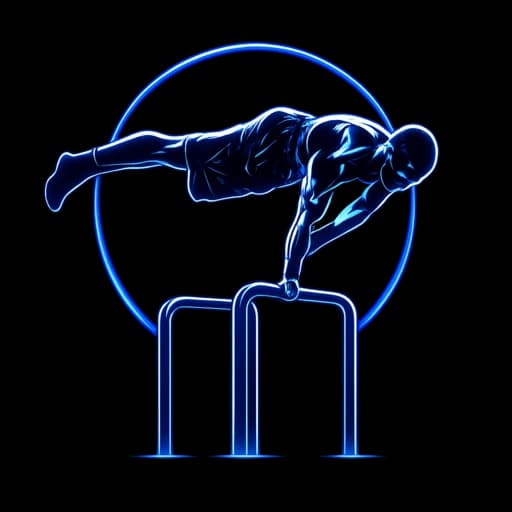
A static skill in calisthenics is a position you hold, not a movement you perform. The planche and the front lever are the two most common examples. In the planche you support your whole body horizontally on your hands, with nothing touching the ground but your arms. In the front lever you hang from a bar and hold your body horizontal underneath it.
Both skills come down to isometric strength combined with specific joint positions and body tension. You are not lifting a weight through a range of motion. You are fighting gravity to hold one exact position, often for just a few seconds at first.
That is why they behave differently from a bench press or a weighted pull-up. Raw strength helps, but it is not the deciding factor. Technique, joint tolerance, and time spent in the exact positions of the skill matter more.
Prerequisites
Before you touch skill-specific progressions, you need a base. I started calisthenics without any weight training and built that base through basic bodyweight work first. Most beginners need three to six months of this before moving into direct planche or front lever progressions. If you come from another sport, you still need this phase, because the basics of calisthenics are specific to calisthenics.
- A solid set of strict pull-ups and dips before adding skill work
- Push-up and core strength that lets you hold a hollow body position
- Several months of general bodyweight training if you are new to the sport
- Comfort with basic isometric holds like a plank or a short support hold
How to Train for Static Skills
The direct answer to whether weight training alone can teach you the planche or front lever is no. You need three things, and weighted lifting only touches one of them loosely.
First, you need the general base I described above. Second, you need isometric exercises that are specific to you. The same isometric drill does not work identically for everyone. For some people a certain hold accelerates progress, for others the same drill can stall or even worsen it. This depends on your current level and your individual leverages, so pay attention to how your body responds rather than copying someone else's routine blindly.
Key Takeaway
Third, and most important, you need to spend most of your training time in the actual progression toward the skill you want. A split of around 70 to 80 percent direct progressions and 20 to 30 percent weighted calisthenics gives you the best of both without slowing down your skill work.

If your goal is the full planche, most of your training time needs to go into planche progressions themselves. There is no way around this. Nobody goes from strong weighted dips straight into a full planche safely. People who try that route risk injury without a real payoff, because the position itself has to be trained directly.
If you want a structured way to work through this, online coaching is where I help people build the base and then move through the specific progressions in the right order for their level.
Progression: From Zero to Full Planche
Stage 1: Planche Lean
Start here once your basic strength is in place. You lean forward from a support position, shifting weight into your hands while keeping your arms straight. This teaches your shoulders and wrists to handle load in the planche position without the full bodyweight demand yet.

Stage 2: Tuck Planche
Bring your knees toward your chest and lift your feet off the ground while leaning forward on straight arms. This is the first position where your whole body leaves the floor. Hold it for short sets and build up time before moving on.
Stage 3: Advanced Tuck Planche
Straighten your hips slightly so your knees move away from your chest while your feet stay tucked underneath you. This increases the lever arm compared to the basic tuck and demands more shoulder and core strength.
Stage 4: Straddle Planche
Extend your legs out to the sides. The wide straddle shortens the lever compared to straight legs together, which is why most people train straddle before working toward the full position.
Stage 5: Full Planche
Bring your legs together and fully extended. This is the final position and it takes real time. Expect this stage to take considerably longer than the ones before it, and expect to spend most of your training weeks here once you reach it.
Common Mistakes
Mistake: Chasing heavy weighted pull-ups and dips instead of the skill
Getting strong in a weighted pull-up or a weighted dip does not transfer directly to holding a planche or front lever. I never trained with weights and reached an elite level in both skills, while athletes who train mostly weighted lifting stay stronger in the gym but weaker in the actual static positions.

Mistake: Skipping the base-building phase
Jumping straight into tuck planche or tuck front lever work without months of general pull-up, dip, and push strength first raises injury risk and usually stalls progress anyway.
Mistake: Copying someone else's isometric drills exactly
An isometric exercise that speeds up one person's progress can slow down someone else's, depending on their leverages and current level. Test what works for your own body instead of assuming a drill is universal.
Mistake: Believing a big weighted lift number proves skill readiness
A heavy one-rep max means very little for the planche or front lever. Chasing gym numbers instead of hold time in the actual position is one of the most common reasons people stall for years.
Training Tips
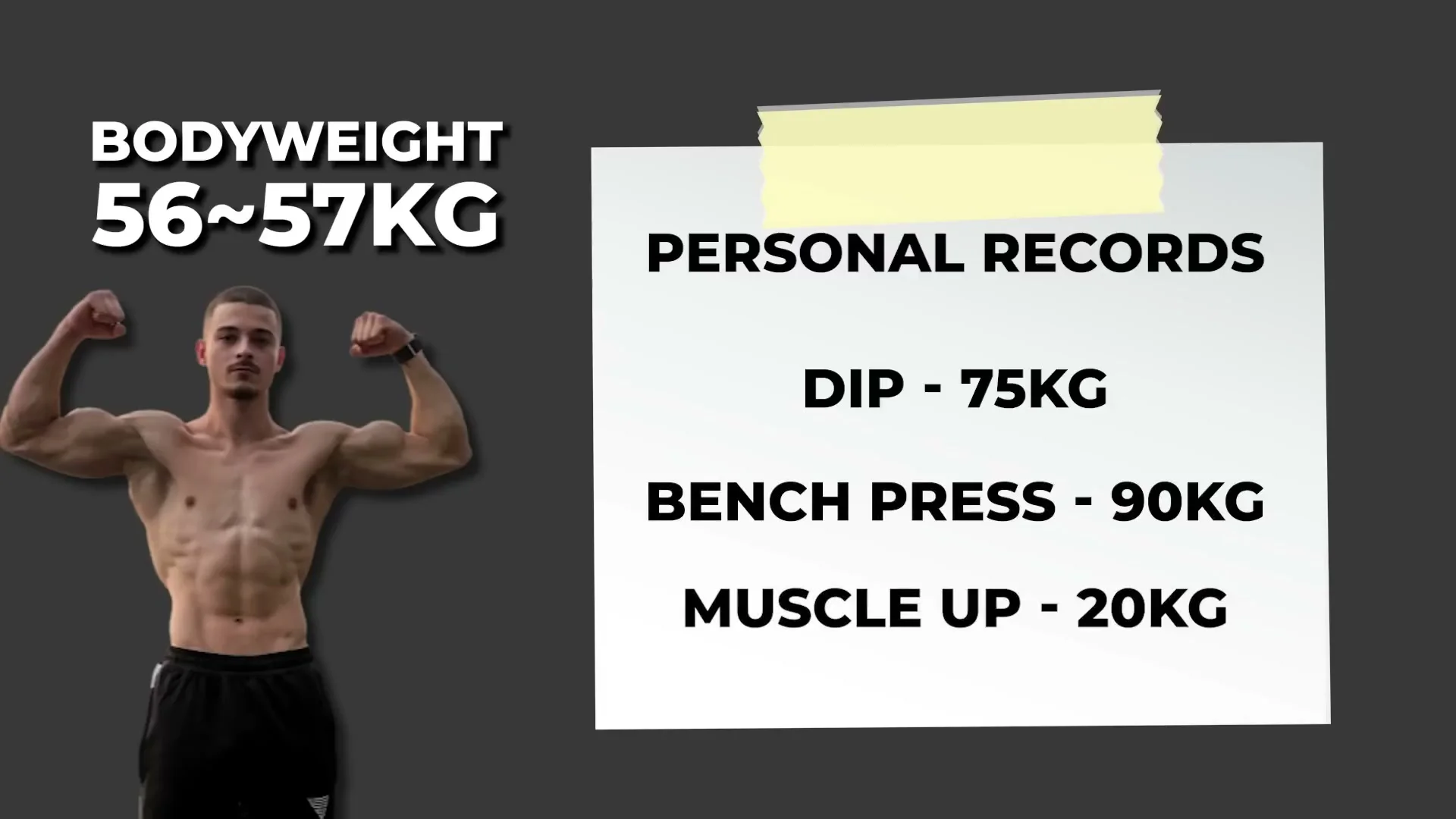
Track your progressions, not your weighted numbers. My own weighted personal records are honestly nothing special for my level in static skills, and that is the point.
Log your isometric hold times weekly, not your weighted sets. Progress in a static skill shows up in seconds held, not kilograms added.
Pick a coach or program based on evidence, not promises. Try what someone teaches on a small scale first, and only commit to a full program once you have seen it actually move your own hold time forward.
Frequently Asked Questions About the Static Skills and Weight Training
Can weight training help with the planche and front lever at all?
Weighted work can support your training, but it will not teach you the skill on its own. A rough split that works well is around 70 to 80 percent of your training in direct progressions and 20 to 30 percent in weighted calisthenics.
Do gymnasts lift heavy weights for static skills?
No. Gymnasts, especially ring specialists who hold extreme isometric positions, use light dumbbell work to strengthen specific muscles involved in their holds. They do not do heavy weighted dips or heavy weighted pull-ups as their main method.
How long does it take to learn the planche or front lever?
Beginners typically need three to six months of general bodyweight basics before starting direct progressions, and the progression itself, from lean to full position, takes considerably longer depending on your starting strength and consistency.
Is weighted calisthenics useless for calisthenics athletes?
No, it is not useless, but it is not the deciding factor for static skills either. Someone who only trains weighted lifting will get stronger in the gym lifts, but will not become stronger in the planche or front lever than someone who spends most of their time in the specific progressions.
Can I start planche training as a complete beginner?
You can start the very early positions like the planche lean once you have basic pull, push, and core strength, but jumping straight to tuck or advanced positions without that base increases injury risk without speeding up your results.
What matters more than weight training for learning static skills?
Time spent directly in the skill-specific progression matters most. Isometric drills tailored to your level and genetics come second. General bodyweight basics come first, before any of that.

Daniel Hristov is a four-time calisthenics world champion and coach. He shares the exact methods he uses to train his own athletes.
More about Daniel →