
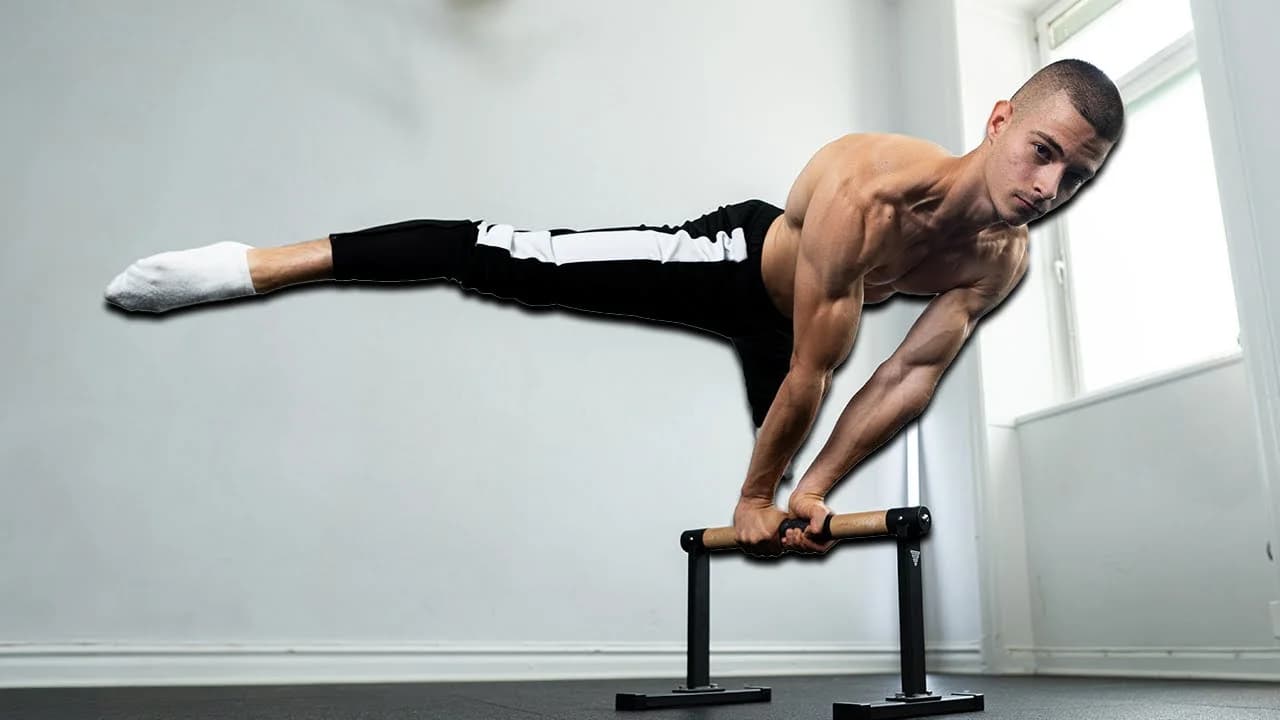
A static home workout lets me train front lever, planche, and hold-based strength without stepping into a gym. It looks simple on video, a bar, some rings, a resistance band, but the training itself is not simple at all. This kind of session sits at the advanced end of calisthenics, built for someone who already has a front lever and planche base and wants to push those holds further. In this tutorial I cover how I structure a static home workout, the warm-up I use to protect my wrists, elbows, and lower back, and the resistance band overload method I use to finish. By the end you will know how to build your own static home session around the skills you already have.
Watch the Full Tutorial
What Is a Static Home Workout Session
A static home workout is a training session built entirely around holds, front lever, planche, and the combinations between them, done at home with basic equipment instead of a gym. In my case that means dip bars, a static bar, parallettes, rings, and resistance bands set up in one room. There is no dynamic strength work here beyond warm-up movements, the whole point is to spend the session under tension.
I focus mainly on front lever and keep planche volume lower when I am carrying elbow pain, which is exactly what happened in this session. I was also still tired from a hard gym workout the day before. Both of those things changed how the session felt, and I think that honesty matters more than pretending every session goes perfectly.
Prerequisites for This Type of Training
This is not a beginner session. It assumes you already have some front lever and planche base, because the warm-up itself uses tuck holds and pull-ins as preparation for the real sets, not as the first time you are trying the position. It also assumes you know your own injury history well enough to adjust volume on the spot, since I do exactly that with my lower back and elbow.
A few concrete standards worth having before you copy this style of session:
- A tuck front lever hold you can control, since tuck pull-ups and tuck holds are the bridge into full holds here
- Some planche base, even a supinated or tucked version, since that is what I use in the warm-up before attempting full sets
- Comfort using resistance bands for shoulder activation before heavy static work
- Awareness of any wrist, elbow, or lower back issues, and a willingness to change the plan around them instead of pushing through blindly
If you are not at that point yet, online coaching is a better starting place than jumping into a session like this one.
How I Structure a Static Home Session
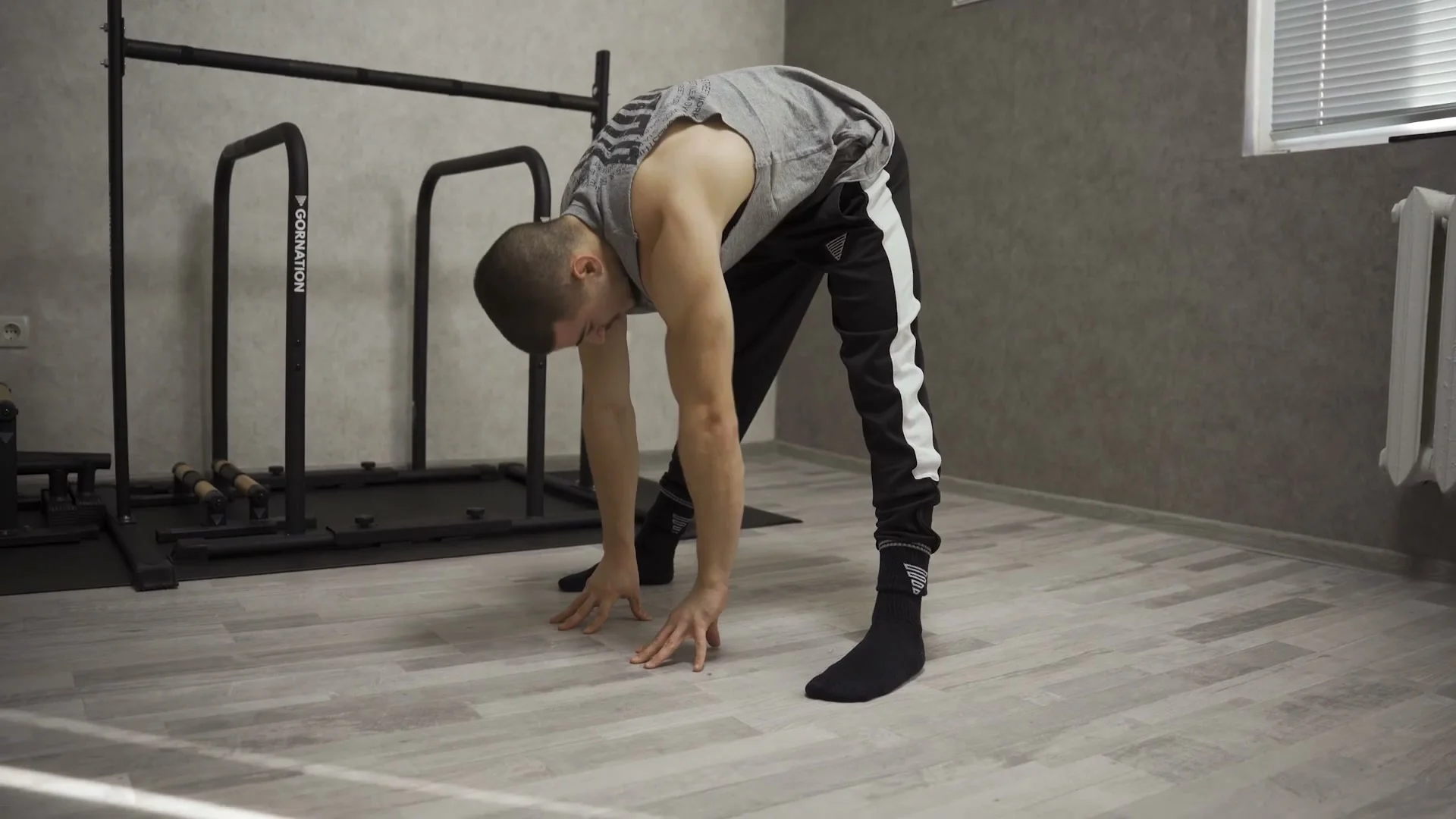
I always start by warming up wrists, elbows, upper body, and lower back specifically, because those are the areas where I currently carry old injuries. The general pattern is 10 to 15 reps per exercise, per side, and only after those reps do I go into a maximum hold, usually 10 to 15 seconds, at the hardest position I can manage with only mild discomfort.
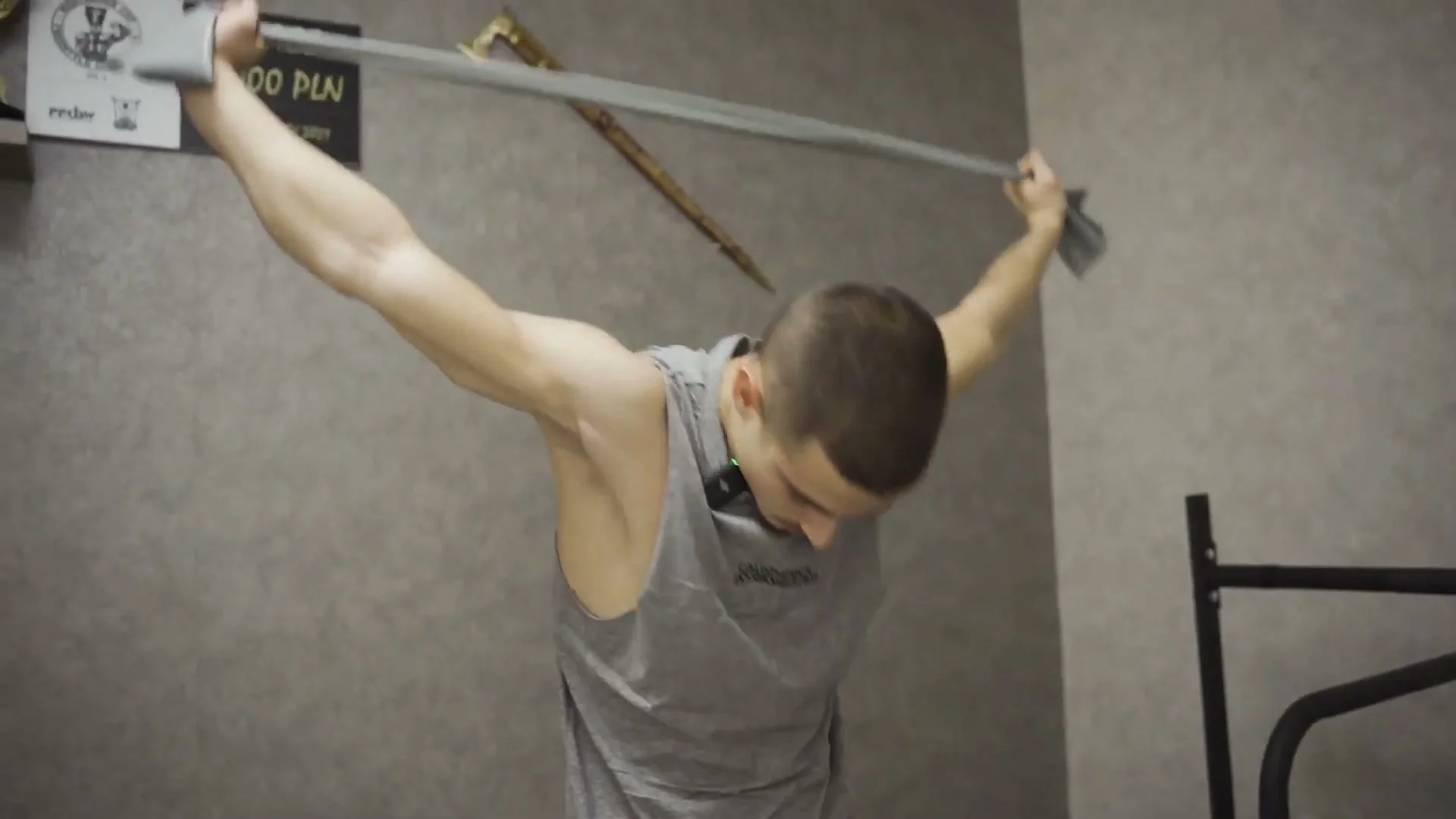
After the general warm-up I use resistance bands, mainly for shoulder activation. This one exercise in particular makes a noticeable difference for me during both static and dynamic work later in the session.
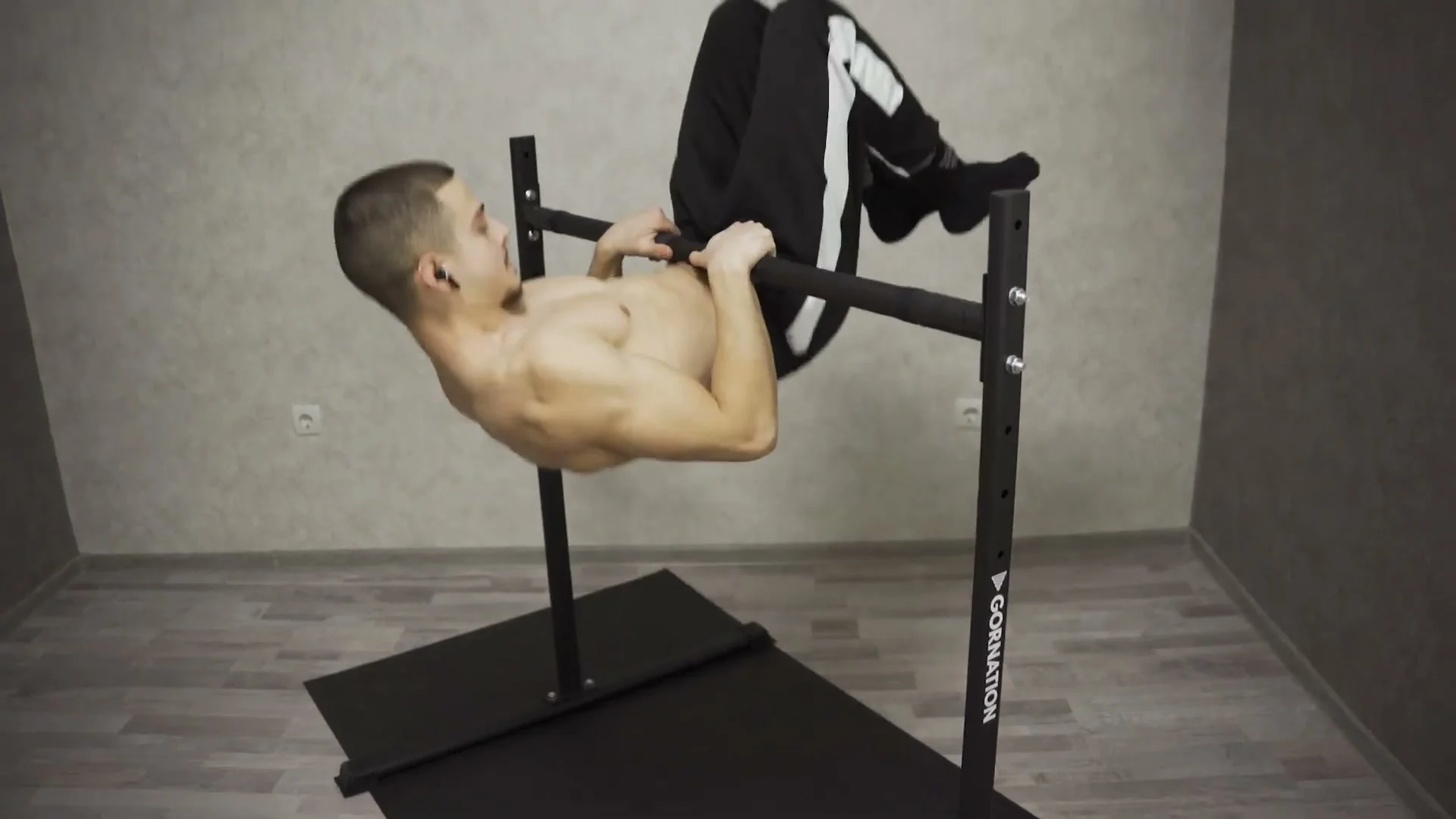
From there I move into skill-specific preparation, front lever tucks, front lever pull-ups in tuck position, front lever holds, and raises, plus some supinated planche work, before I attempt anything at full intensity.
Key Takeaway
Every stage of this session builds toward the next one. Skip the skill-specific warm-up and you go straight from general movement into max effort holds with none of the exact preparation your joints need for that specific position.
Progression: Building a Static Home Workout Routine
Stage 1: General Warm-Up
Warm up wrists, elbows, upper body, and lower back first. Use 10 to 15 reps per exercise per side, then finish with a short maximum hold, not the other way around. This stage exists to protect joints, not to build strength.
Stage 2: Band Activation
Add resistance bands after the general warm-up, focused on the shoulders. This step is small but it changes how the shoulders feel through the rest of the session, both in statics and in any dynamic movement.
Stage 3: Skill-Specific Warm-Up
Move into the exact positions you will train later, front lever tucks, tuck pull-ups, front lever holds, and raises, along with supinated planche work. This is preparation for the main sets, not the main sets themselves.
Stage 4: Max Effort Sets and Combos
Attempt your main holds and combinations here, front lever work, straddle or side planche push-ups, and anything more advanced if you feel ready that day.
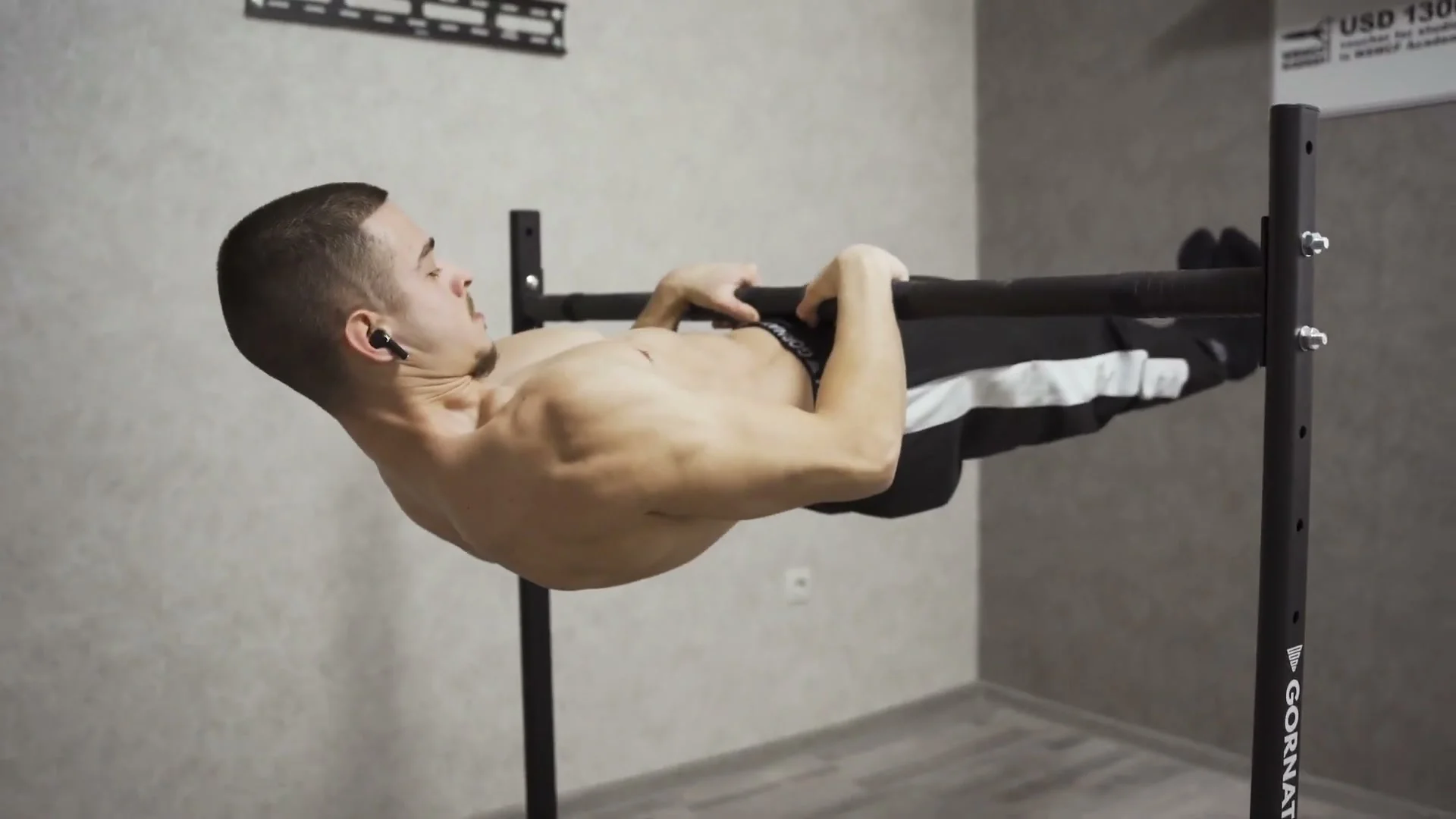
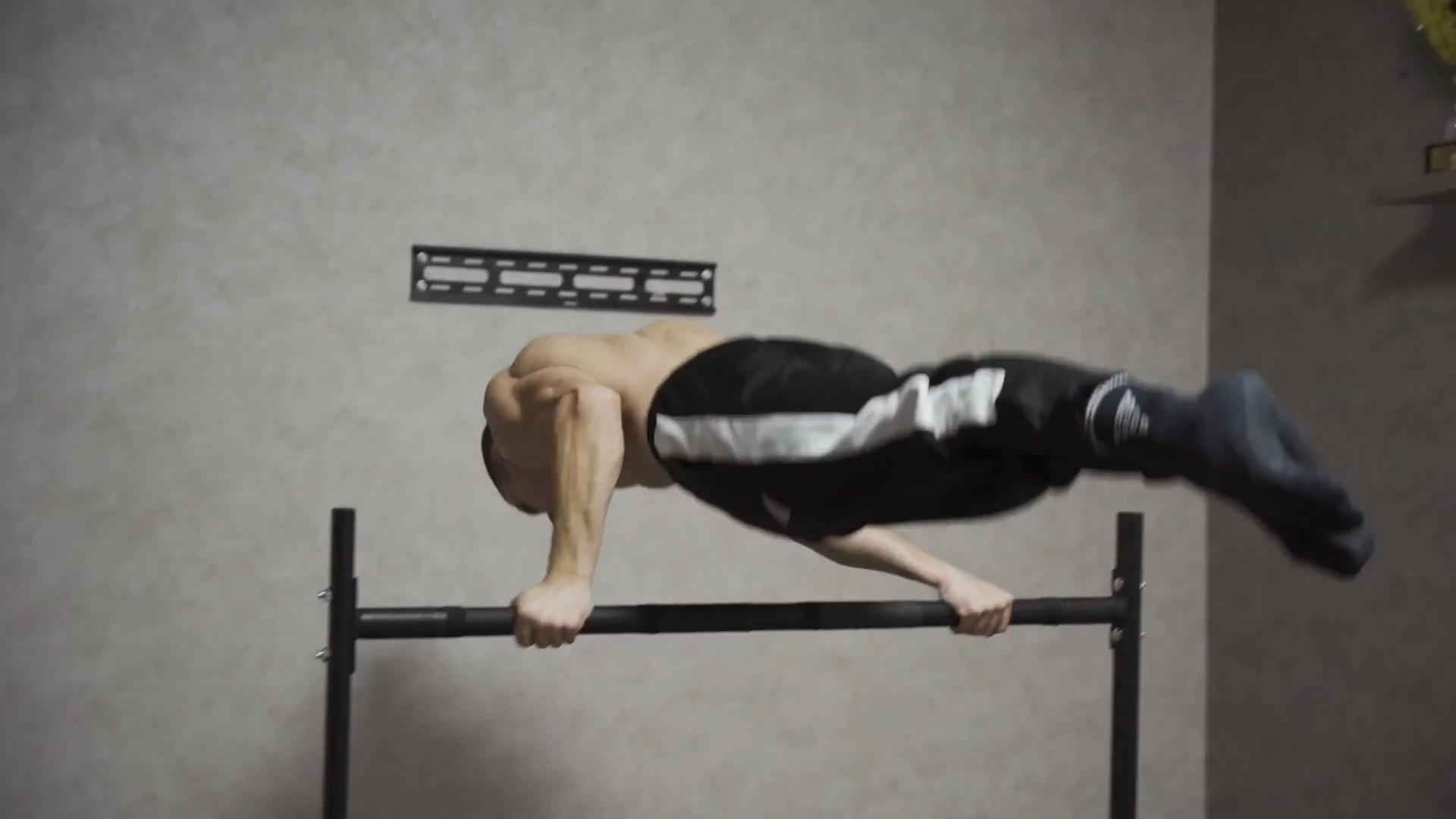
Some days you will feel heavier than the last, especially after hard training elsewhere, and that is normal. Adjust the session to how you actually feel, not to what you planned on paper.
Stage 5: Resistance Band Overload Finisher
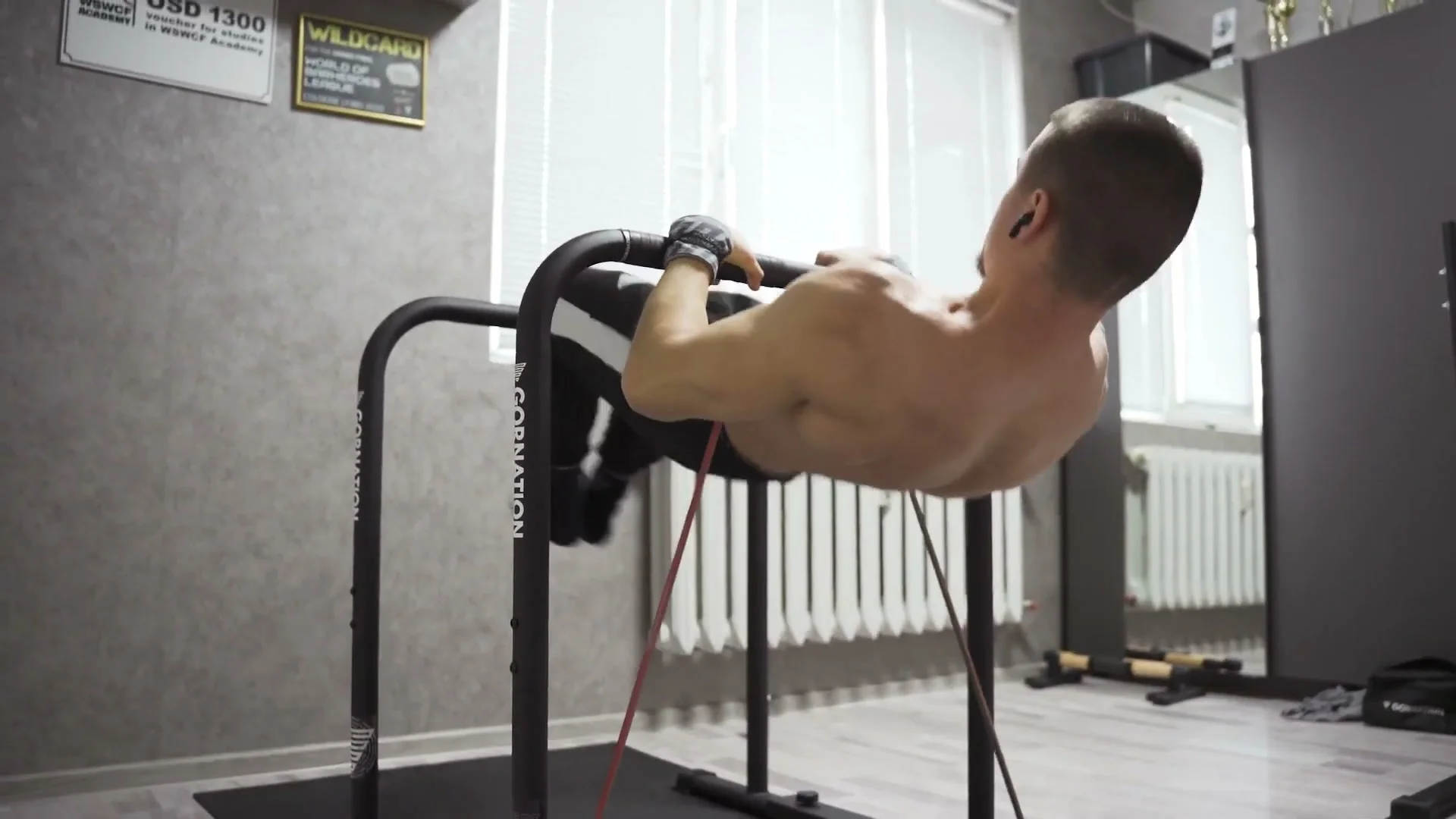
At the very end I use resistance bands differently, not to assist the movement but to add extra resistance and make the final reps harder. The goal is to feel stronger in future sessions, not to enjoy this particular set. In my experience, a few overloaded front lever rep sets done this way can cost more energy than a much larger number of band-assisted front lever pull-ups. It works, but it is genuinely hard, and you need to know your own limits before adding this kind of pressure to a joint.
Common Mistakes
Mistake: Skipping the Skill-Specific Warm-Up
Going straight from general warm-up into max holds skips the exact preparation your wrists, elbows, and shoulders need for that specific position. If you already carry old injuries like I do, this is where problems start.
Mistake: Ignoring Fatigue From the Day Before
I felt noticeably heavier in this session because of a hard gym workout the previous day. Training through that without adjusting volume or intensity is a mistake. Match the session to how your body feels that day, not to a fixed target.
Mistake: Overloading With Bands Without Limits
The band overload finisher is meant to be hard but controlled. Because tension increases as you move through the range, adding heavy band resistance without understanding your own limits can create an easy injury. Treat it as an addition at the end of a session, not the whole session.
Mistake: Rushing Advanced Variations After a Long Break
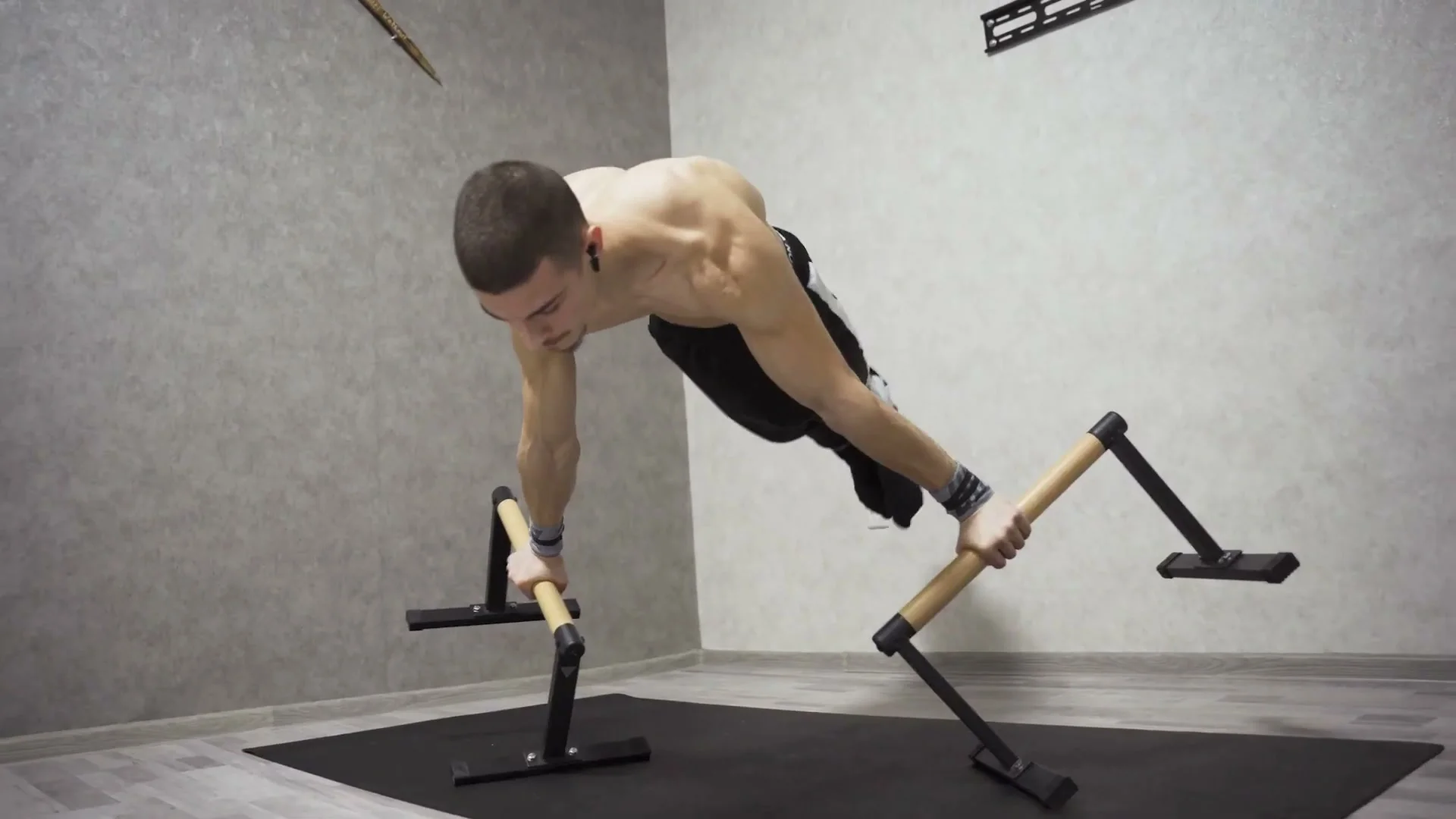
I attempted dragon planche variations in this session for close to the first time in a year, and my balance clearly wasn't there yet. Coming back to an advanced hold after time off needs patience and lower expectations, not an attempt at full difficulty on day one.
Training Tips
Keep a running note of which joints hurt on a given day, and let that decide your split between front lever and planche volume before you even warm up. Deciding this on paper the night before does not account for how you actually feel.
Do the skill-specific warm-up in the exact position you plan to train, not a generic version of it. Tuck holds and tuck pull-ups only prepare you properly if they mirror the real set that follows.
Save the band overload for the very end of the session, after your main sets are done. Adding heavy band resistance earlier fatigues you before the work that matters most.
Treat a long break from any advanced hold as a reset, not a pause. Expect your balance to need rebuilding rather than picking up exactly where you left off.
Frequently Asked Questions About Static Home Workouts
What equipment do I need for a static home workout?
Dip bars, a static bar, parallettes, rings, and resistance bands cover most of what you need. You do not need a full gym, just a home setup that lets you hang, support, and hold under tension.
How many reps and how long should I hold each position?
My general pattern is 10 to 15 reps per exercise per side during warm-up, followed by a maximum hold of around 10 to 15 seconds once you are already near fatigue, not as the very first thing you attempt.
Can I do a static home workout with an existing injury?
I train front lever and planche around ongoing wrist, elbow, and lower back issues by extending warm-up time and shifting priority toward whichever skill feels safer that day. That is not the same as pushing through real pain, get anything serious checked properly first.
Why use resistance bands at both the start and the end of the session?
I use bands twice for different reasons. Early on they activate the shoulders and prepare them for static work. At the end I use them as extra resistance to overload the final sets and build strength for future sessions. Same tool, two different jobs.
How often should I train front lever and planche together in one session?
In this session I leaned heavier into front lever and cut planche volume because of elbow pain that day. How you split the two in a single session should depend on how your joints actually feel, not a fixed rule.
Is a static home workout suitable for beginners?
Not really. It assumes you already have a base front lever or planche tuck to build from. If you are starting from zero, build that foundation first, online coaching can help you figure out where to begin, before training a session structured like this one.

Daniel Hristov is a four-time calisthenics world champion and coach. He shares the exact methods he uses to train his own athletes.
More about Daniel →