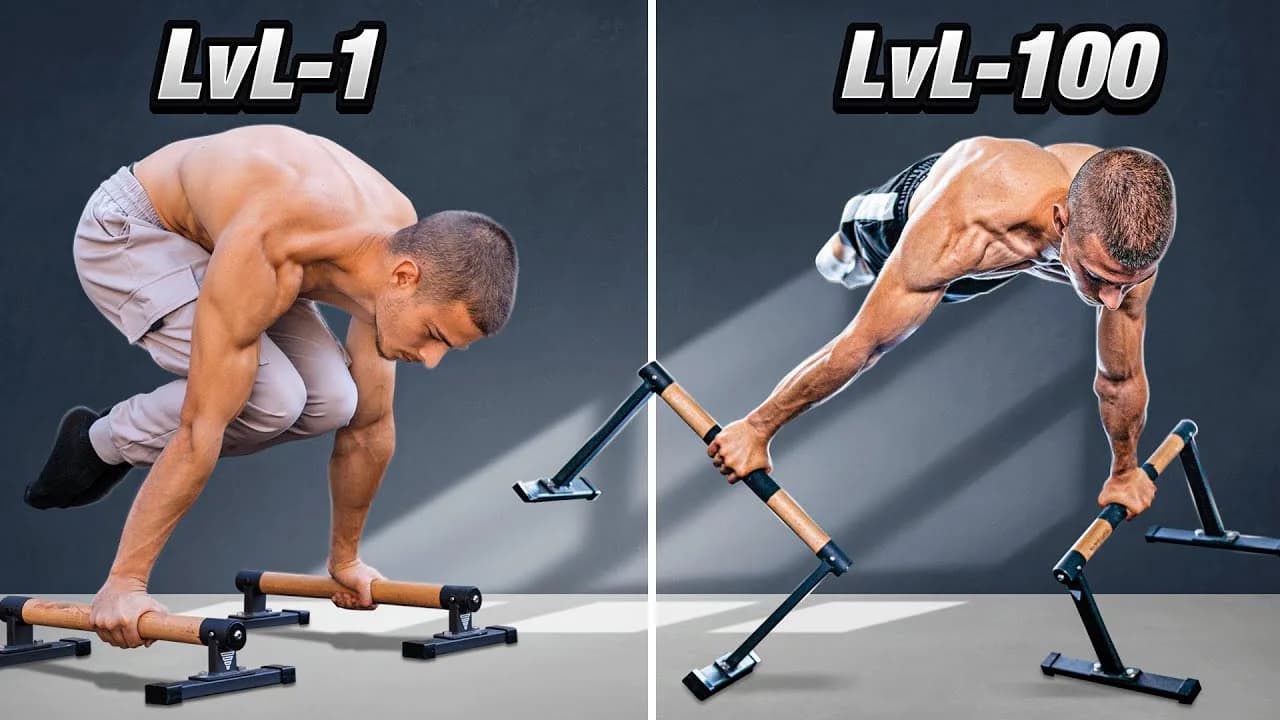
The planche is one of the moves people point to when they ask what calisthenics can actually build. Your whole body floats parallel to the ground on straight arms, no feet touching anything. It looks like a party trick, but it is really a shoulder and core strength test that takes most people well over a year of consistent work. Nobody skips steps here. In this article I go through the planche progression from the very first tuck hold up to full planche, the prerequisites your body needs before you start, and the technique cues that actually move the needle. By the end you will know exactly where to start and what to train next.
Watch the Full Tutorial
What Is the Planche
The planche is a static hold where your body is horizontal to the floor, supported only by your straight arms, with no other body part touching the ground. There is no single planche position either. It ranges from a compact tuck, where your knees are pulled to your chest, all the way out to a full planche with the legs completely straight and together.
That range is the whole point. Planche training is not one skill, it is a ladder of related holds that each demand more leverage and more shoulder strength than the one before it. Going from a beginner tuck hold to a full planche is a long jump in difficulty, which is exactly why the progression exists.
Prerequisites
Before you spend real time on planche work, your body needs a baseline of pushing strength and shoulder stability. Planche is unforgiving on the wrists and shoulders if you show up with weak foundations, so build these first rather than rushing straight into holds.
- Solid push-up strength, including a comfortable set of strict push-ups
- A hollow body hold you can maintain for at least 20 to 30 seconds with no arch in your lower back
- Basic wrist mobility and tolerance for load in wrist extension
- Straight-arm support strength (holding your body up on straight arms, feet on the ground, weight shifted onto the hands)
- Shoulder protraction strength, meaning you can actively push your shoulder blades apart and round your upper back under load
How to Do the Planche
Every planche variation shares the same technical foundation, so learn these cues once and they apply at every stage.
Start in a lean position with your hands on the floor, fingers pointed forward or slightly turned in, and lean your shoulders forward past your wrists. Push the ground away hard. Your shoulder blades should protract, meaning your upper back rounds and your shoulder blades spread apart rather than pinch together. This is the opposite of what you do in a push-up lockout, and it is the single most common thing beginners get wrong.
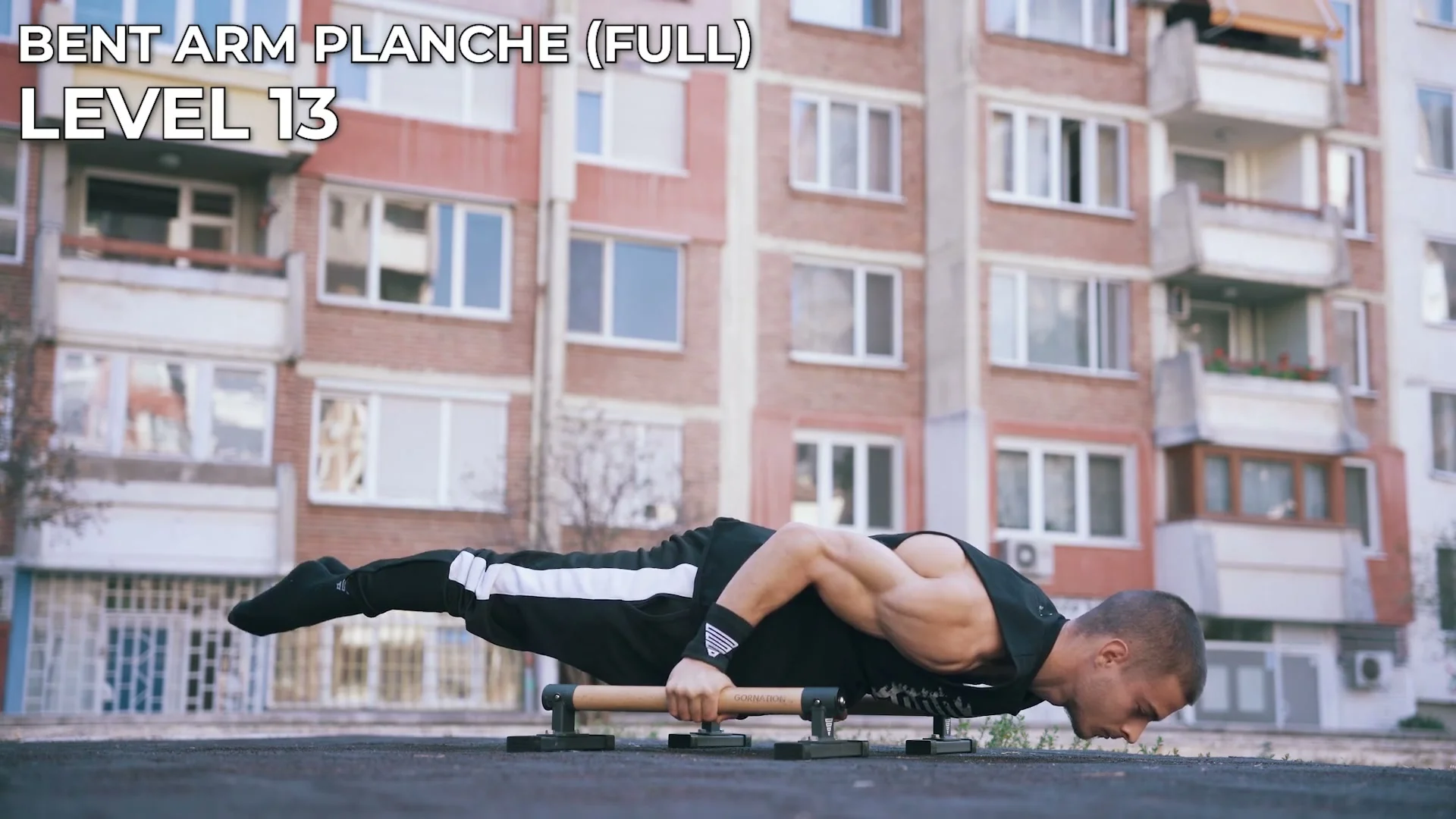
Keep a hollow body the entire time. Your ribs stay down, your lower back stays rounded, and your legs (whichever variation you are on) stay active rather than hanging loose. A planche with a loose hollow position leaks tension and gets harder than it needs to be.
Your wrists take a lot of load in planche work, so keep them warmed up before every session and do not skip that step just because you are eager to get to the hold itself.
Progression: From Zero to Full Planche
Key Takeaway
Every stage in this progression builds the same lean and the same shoulder protraction, just with a longer lever each time. Rushing ahead to straddle or full planche before the earlier stages feel solid is the single biggest reason people plateau.
Stage 1: Planche Lean
Start on the floor or on parallettes with your arms straight, hands under or slightly behind your shoulders, and lean your body weight forward over your hands while keeping your feet on the ground. This teaches the forward lean and the protraction you need for every later stage without asking your shoulders to hold your full bodyweight yet.
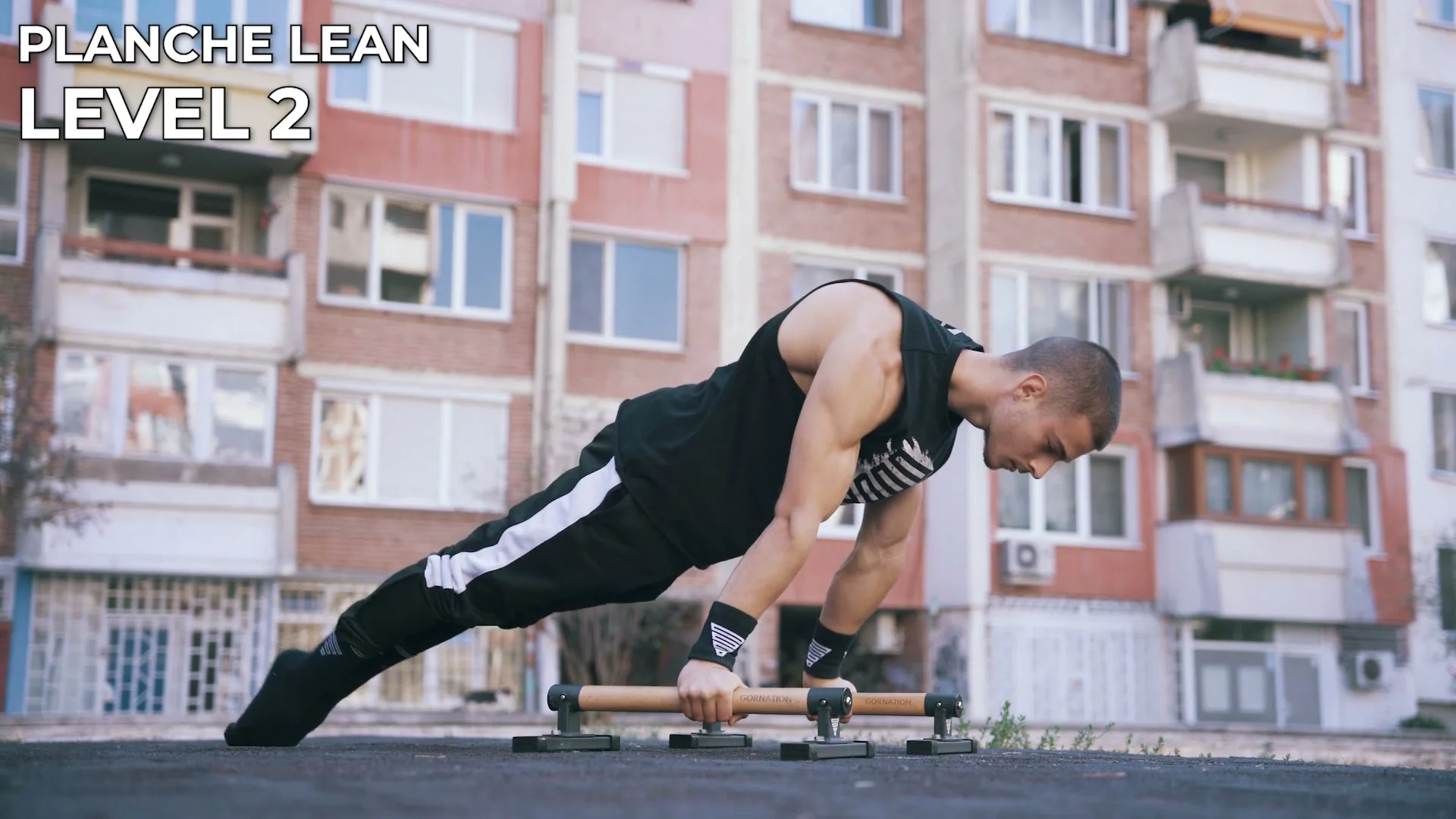
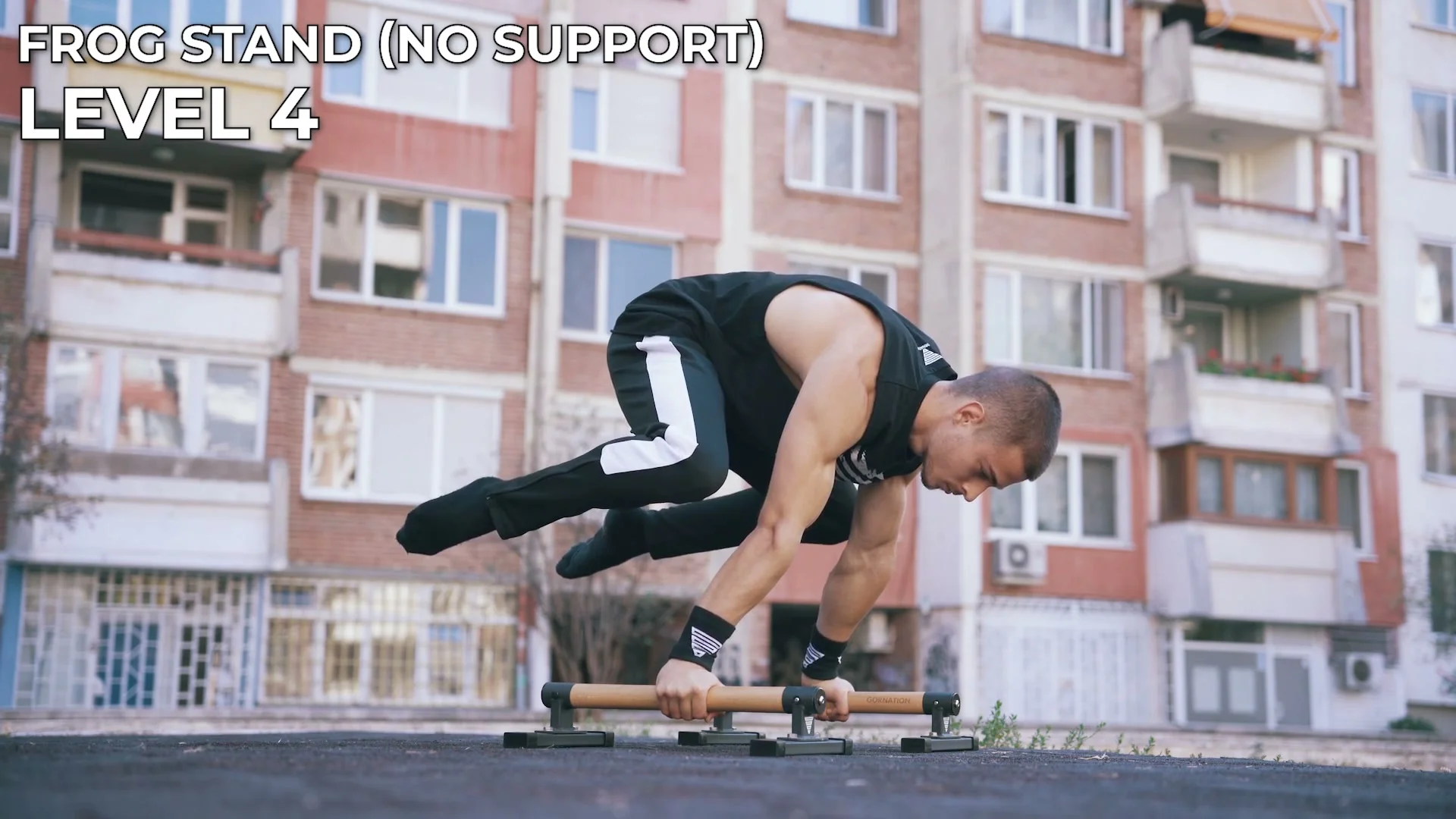
Stage 2: Tuck Planche
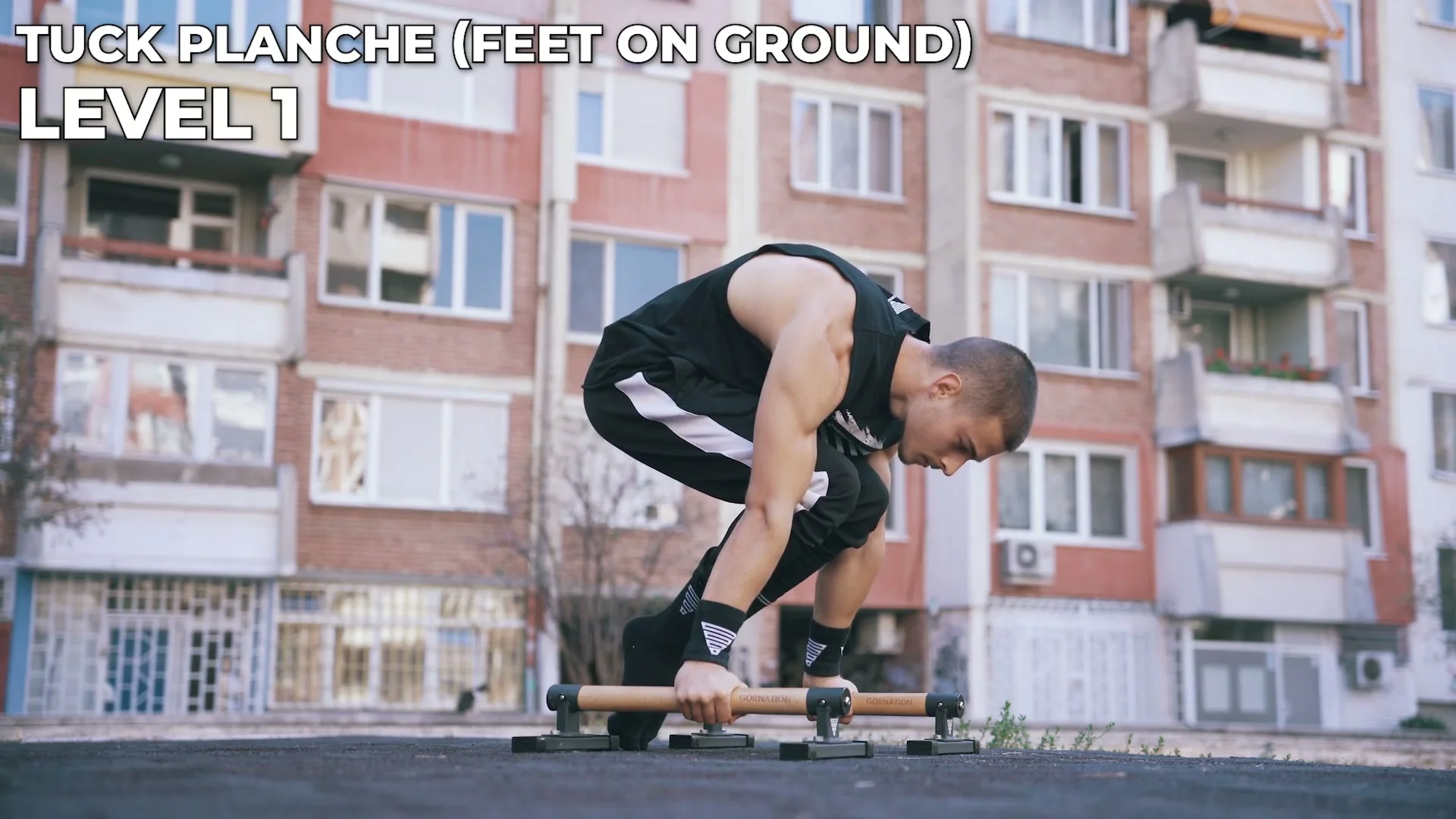
Pull your knees to your chest and lift your feet off the ground, balancing your tucked body on straight arms. This is the first true planche hold. Keep the lean strong and the shoulders protracted rather than letting your hips sag toward the floor.
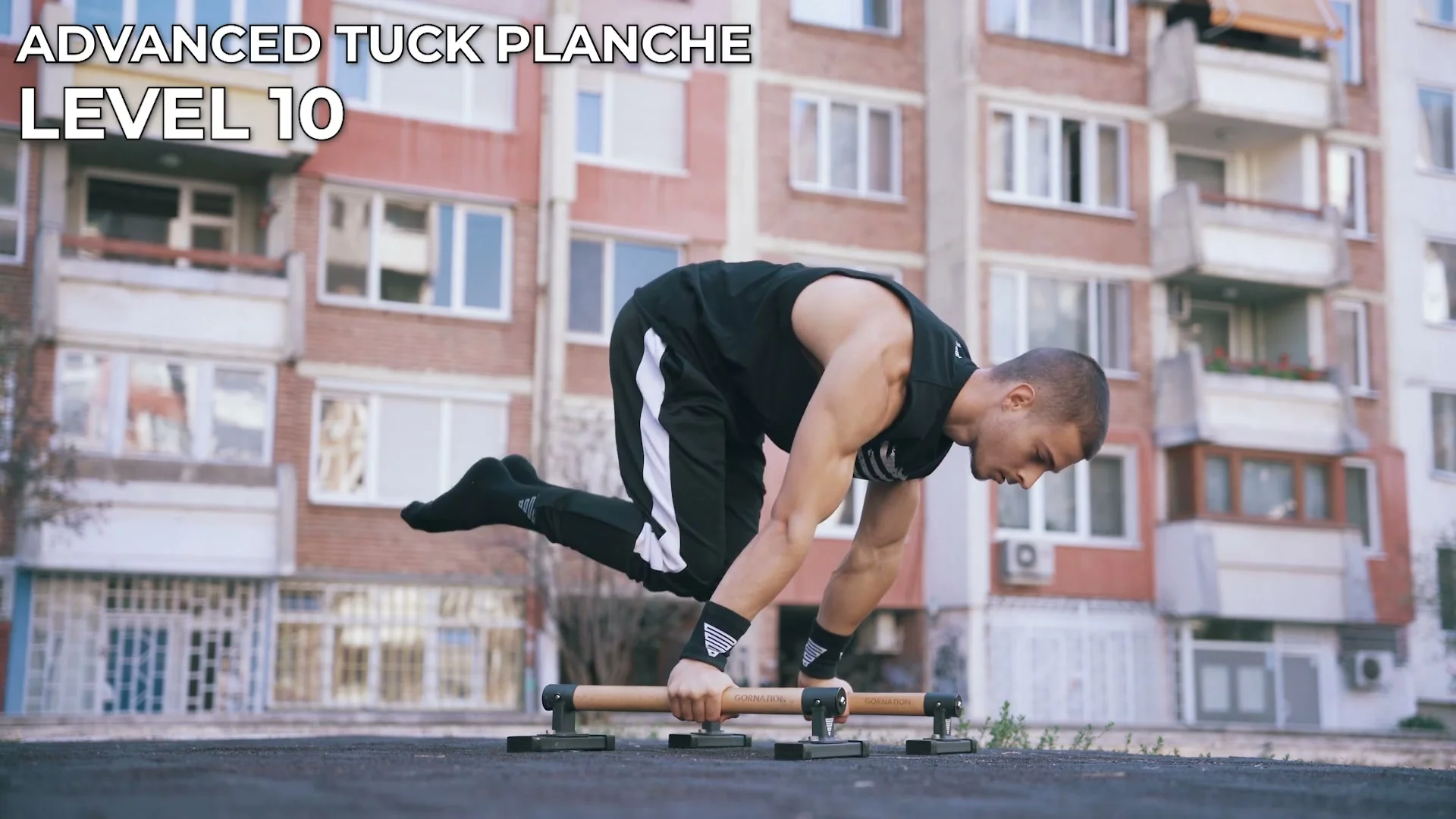
Stage 3: Advanced Tuck Planche
Open your hips slightly so your knees move away from your chest while your feet stay tucked underneath you. The lever arm gets longer here, which means the hold gets noticeably harder even though the shift looks small.
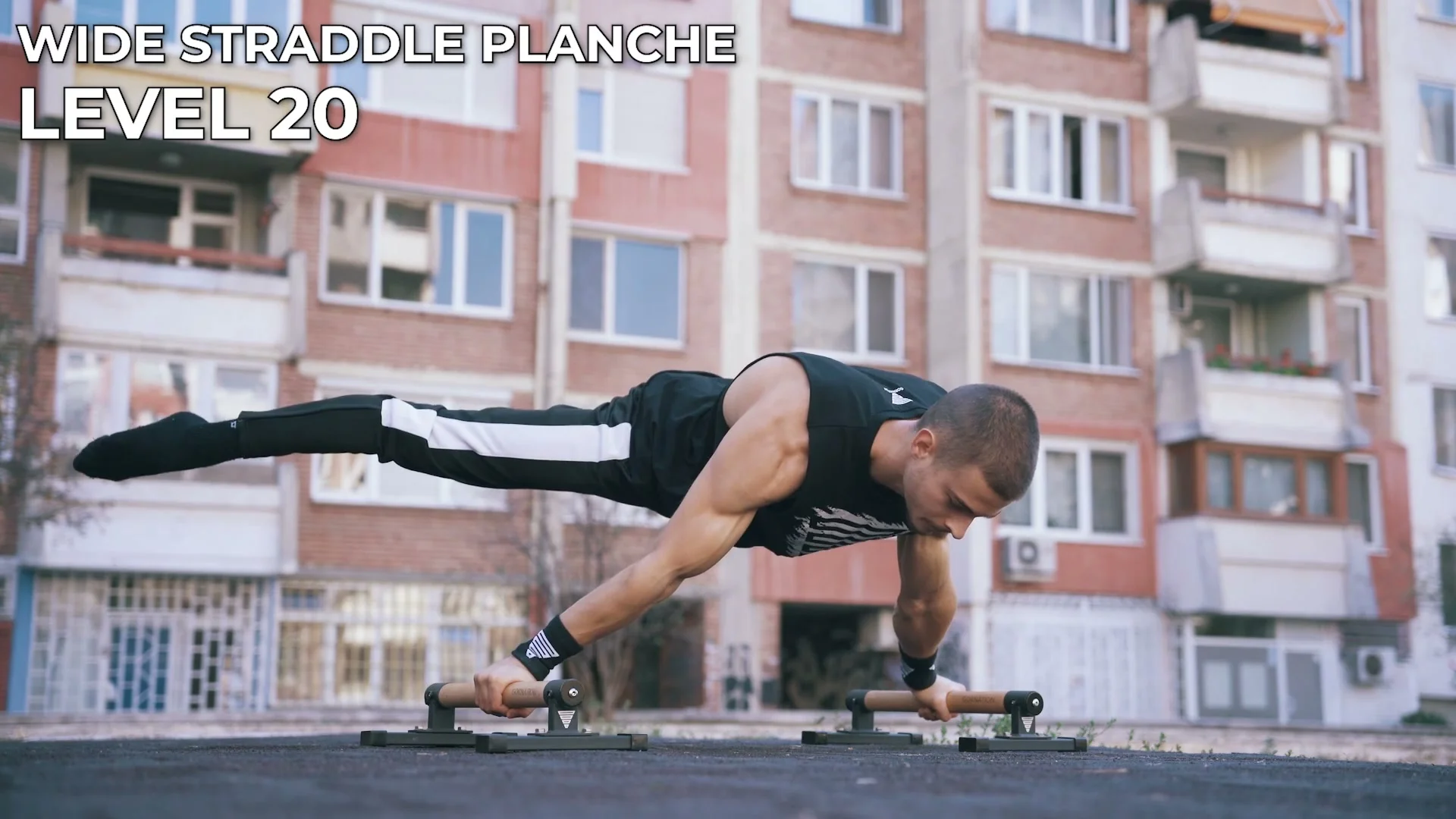
Stage 4: Straddle Planche
Straighten your legs and open them wide into a straddle. Opening the legs wide reduces the leverage against your shoulders compared to keeping them together, which is why straddle planche is usually easier to reach than a straight-leg planche with the legs closed.
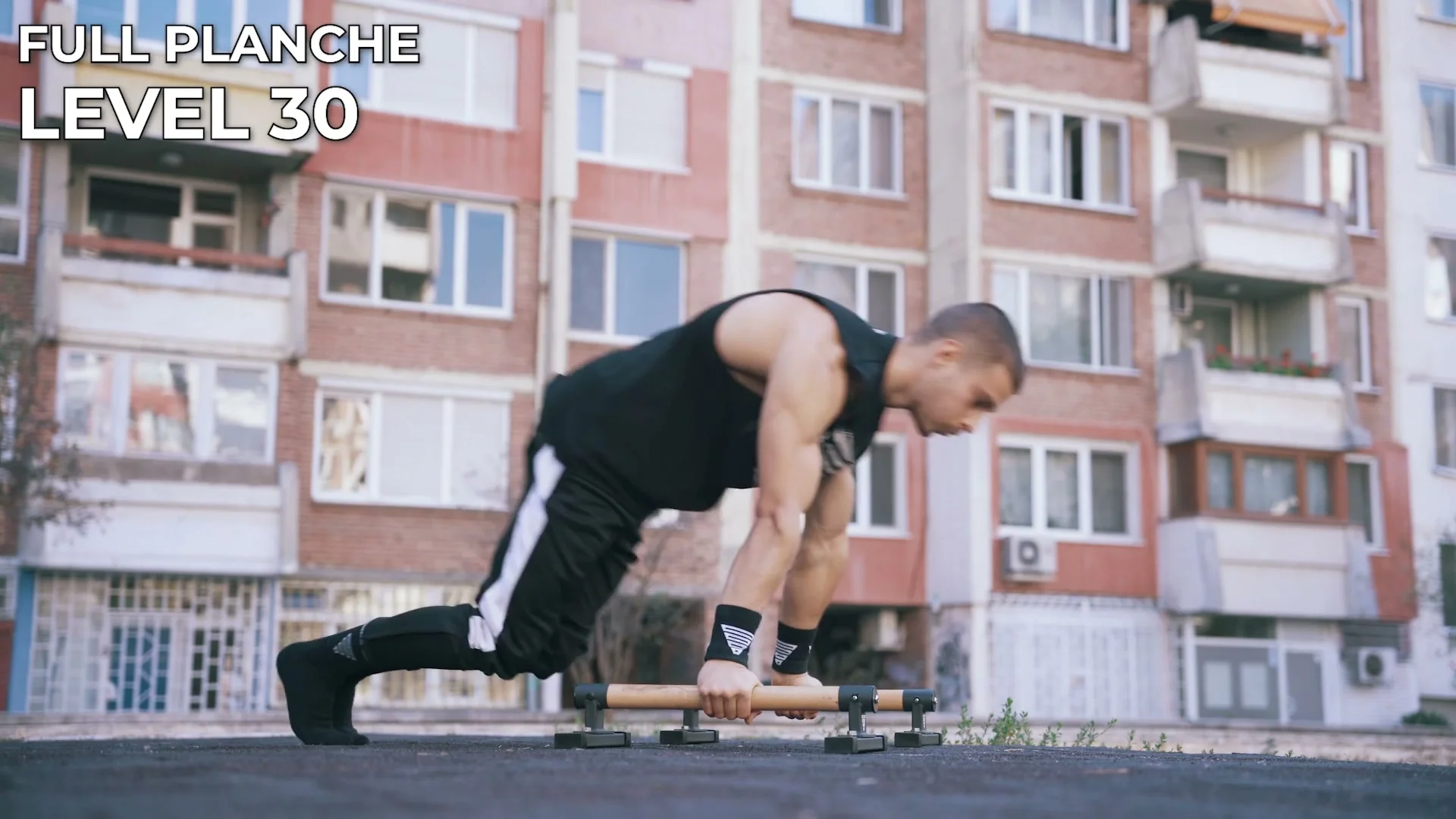
Stage 5: Full Planche
Bring the legs together and fully straight, in line with your torso. This is the version most people mean when they say "planche," and it is a serious strength benchmark that most calisthenics athletes work toward for years, not weeks.
Common Mistakes
Skipping straight to straddle or full planche
Jumping ahead of the tuck and advanced tuck stages usually means the shoulders and lean are not strong enough yet, and it tends to build bad habits like sagging hips or letting the shoulders retract instead of protract.
Losing the hollow body under fatigue
As the hold gets hard, the lower back arches and the hips drop. Once that happens the position is no longer training planche strength properly, it is just leaking tension. Stop the set before form breaks down rather than grinding through it.
Ignoring wrist preparation
Planche puts a lot of load through wrist extension. Skipping warm-up here is one of the more common ways people pick up nagging wrist pain that then slows down every other pushing exercise for weeks.
Chasing the next stage before the current one is solid
Every stage should feel controlled, not shaky, before you move to the next one. A wobbly straddle planche you can barely hold for two seconds is not a sign you are ready for full planche, it is a sign the straddle still needs more work.
If you want a training plan built around exactly where your planche currently is, that is the kind of thing I work through with people directly in online coaching.
Training Tips
Train planche early in your session, before fatigue eats into your shoulder control. This is a skill that punishes sloppy reps, so a handful of clean, well-controlled holds beats grinding out long sets with a collapsing hollow body.
Rotate through grip and hand position variations once you are comfortable in a stage. Straddle, close grip, and wide grip all shift the demand slightly, and training more than one variation tends to build a more complete, resilient shoulder than drilling a single grip forever.
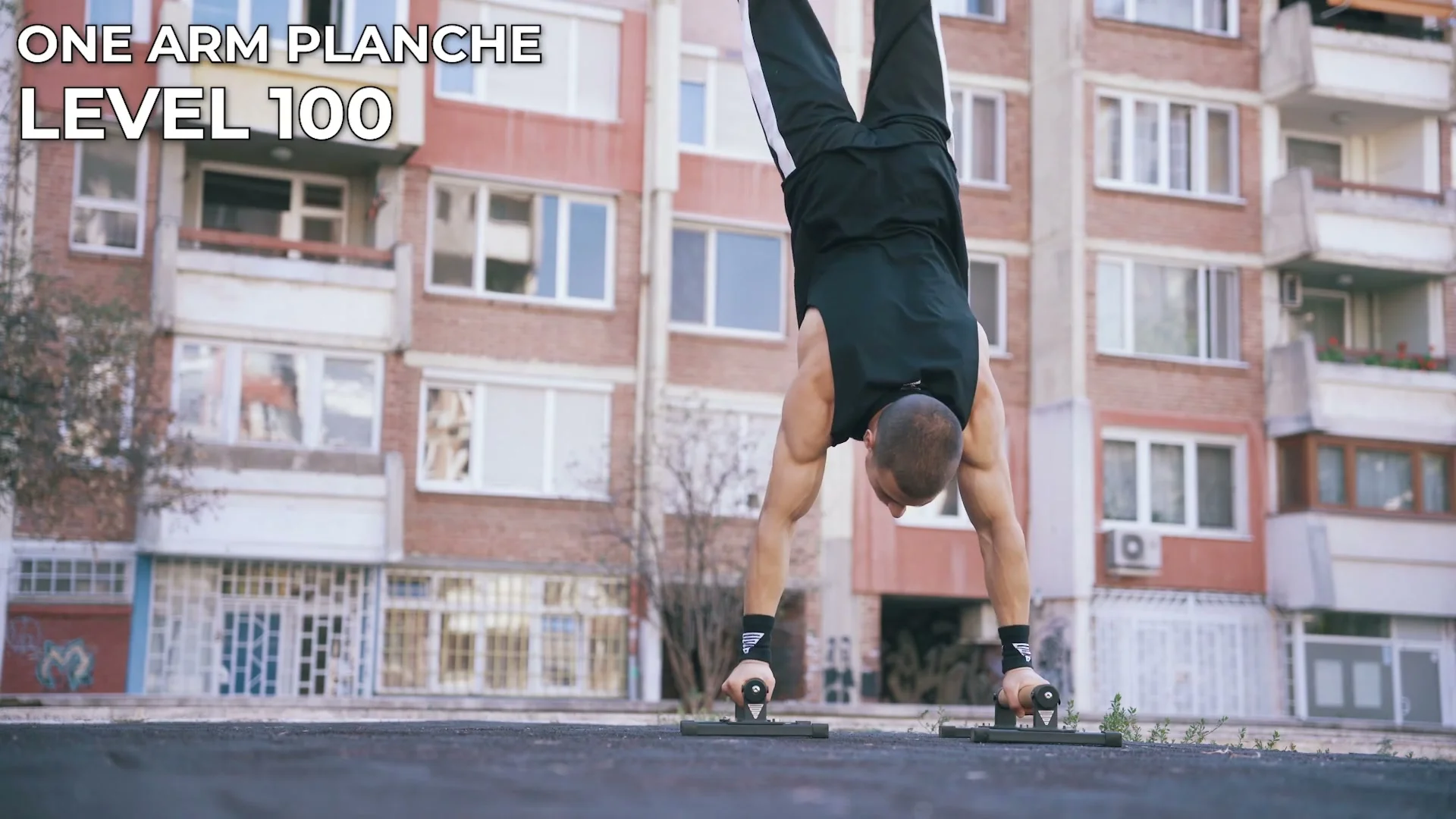
Keep training your straight-arm strength and wrist tolerance even after you reach a new stage. The progression does not stop at full planche either, from there people spend years chasing longer levers and one-arm work.
Frequently Asked Questions About the Planche
How long does it take to learn a full planche?
For most people training consistently, a full planche takes well over a year of dedicated shoulder and core work. It depends heavily on your starting strength, bodyweight, and how consistently you train the earlier stages of the progression.
Do I need rings or parallettes to train planche?
No. You can train every stage on the floor. Parallettes give you extra wrist clearance and range of motion, which some people find more comfortable, but they are not required to make progress.
Can a total beginner start planche training?
Yes, but start with the planche lean and basic straight-arm support work rather than jumping into tuck holds. Build the wrist tolerance and shoulder strength first so the later stages do not stall out on weak foundations.
What muscles does the planche work?
The planche is primarily a shoulder and core exercise, with heavy demand on the anterior deltoids, serratus anterior (the muscle responsible for shoulder protraction), and the entire abdominal wall through the hollow body position. Your wrists and forearms also take significant load.
Is the planche hard on the wrists?
It can be if you rush into it without preparation. Building wrist mobility and tolerance gradually, and warming up properly before every planche session, keeps most of that risk manageable.
Do I need to be lean to hold a full planche?
Lower bodyweight makes the leverage easier, which is why body composition matters more in planche than in a lot of other calisthenics skills. That said, strength and technique still matter more than weight alone, and plenty of the progression stages are achievable at a range of bodyweights.

Daniel Hristov is a four-time calisthenics world champion and coach. He shares the exact methods he uses to train his own athletes.
More about Daniel →